.avif)





Blogs
Stay updated with our latest blog posts.
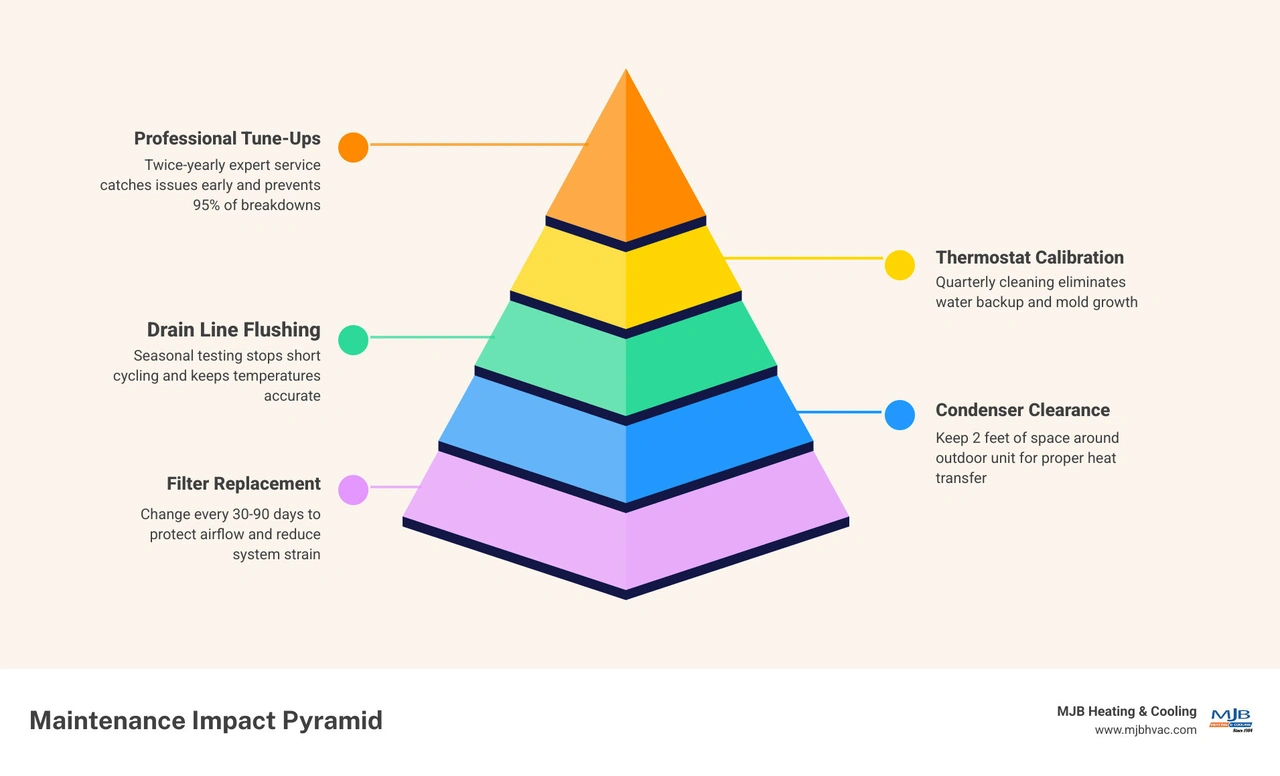
The best way to prevent HVAC emergencies with maintenance is to stay consistent with a few simple habits before problems have a chance to build. Here's a quick overview:
Most HVAC breakdowns don't happen out of nowhere. They build slowly — a clogged filter here, a skipped tune-up there — until the system finally gives out on the hottest afternoon in July or the coldest morning in December. In fact, research shows that regular maintenance can cut the risk of costly HVAC breakdowns by up to 95%, yet fewer than half of homeowners had their system serviced in the past year.
For homeowners across the Wichita metro area, where Kansas summers push air conditioners hard and winters demand reliable heat, that gap between knowing and doing can mean the difference between a quick service visit and an urgent after-hours repair call.
The good news? A small amount of consistent upkeep goes a long way. This guide walks you through five practical steps any homeowner can follow to protect their system, avoid surprise breakdowns, and keep their home comfortable year-round.
Before we dive into the preventative steps, it is important to understand what actually counts as an HVAC emergency. Not every system glitch requires an urgent midnight technician visit, but some issues absolutely threaten your health, safety, or property.

Here is how we distinguish between the two:
If you find yourself facing an urgent system failure, knowing how to react can prevent further damage. For practical steps to take during a sudden breakdown, read our Emergency HVAC Repair Tips for Kansas Homeowners.
Now that we know what we are trying to avoid, let us focus on prevention. You do not need to be an HVAC specialist to keep your system running smoothly. By taking a proactive approach, you can keep your heating and cooling equipment out of the "danger zone."
Implementing a few basic habits is the ultimate way to prevent HVAC emergencies with maintenance. For a complete checklist of tasks you can perform alongside our team, check out these Essential HVAC Maintenance Tips for Your Furnace and AC.
Here are the five simple steps to secure your home comfort.
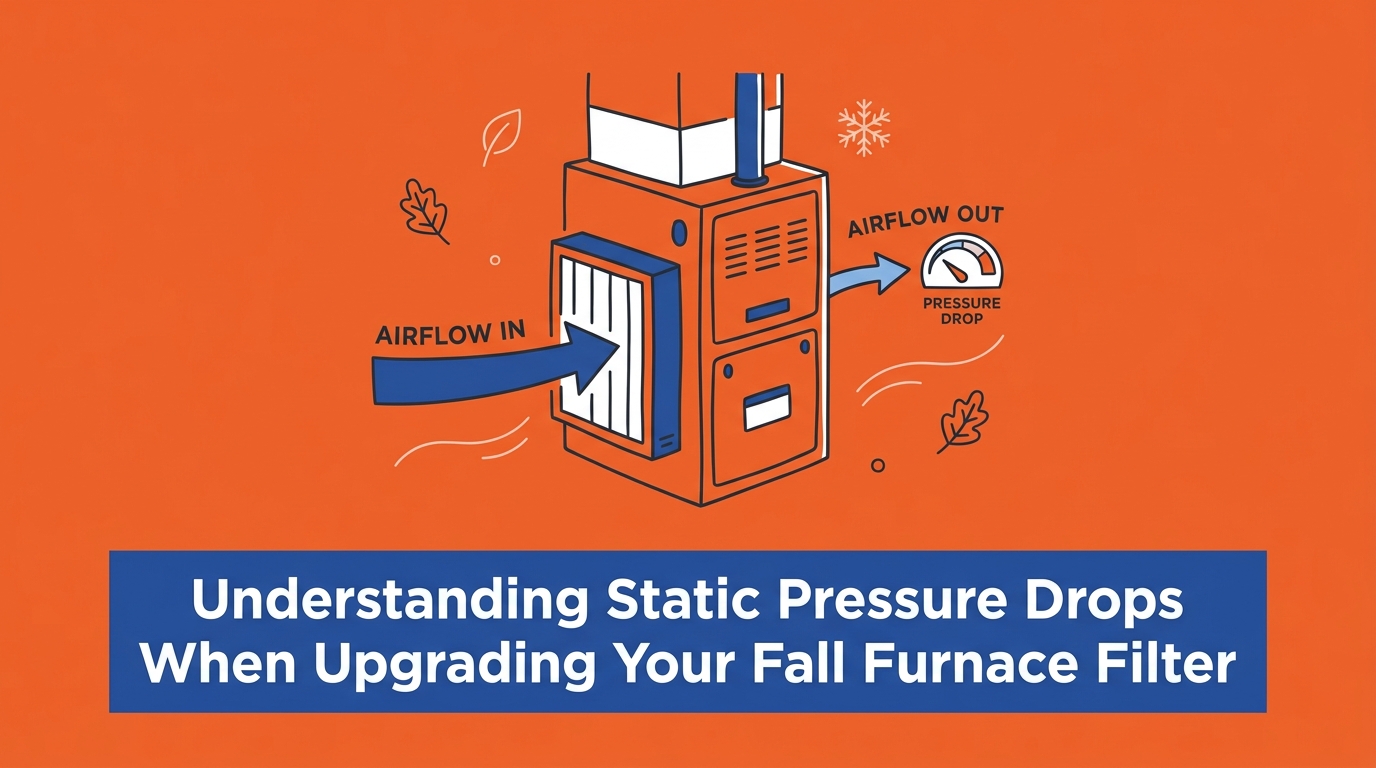
If there is a single "golden rule" of HVAC health, it is maintaining proper airflow. Your heating and cooling system relies on a steady, unobstructed flow of air to regulate temperatures and keep its internal components cool.
When an air filter becomes clogged with dust, pet dander, and pollen, it acts like a wall. The system has to work twice as hard to pull air through, which strains the blower motor, spikes your energy bills, and can cause the evaporator coil to freeze over or the furnace to overheat and shut down entirely.
To determine the ideal schedule for your specific household needs, see our guide on How Often Should You Change Your HVAC Air Filter.
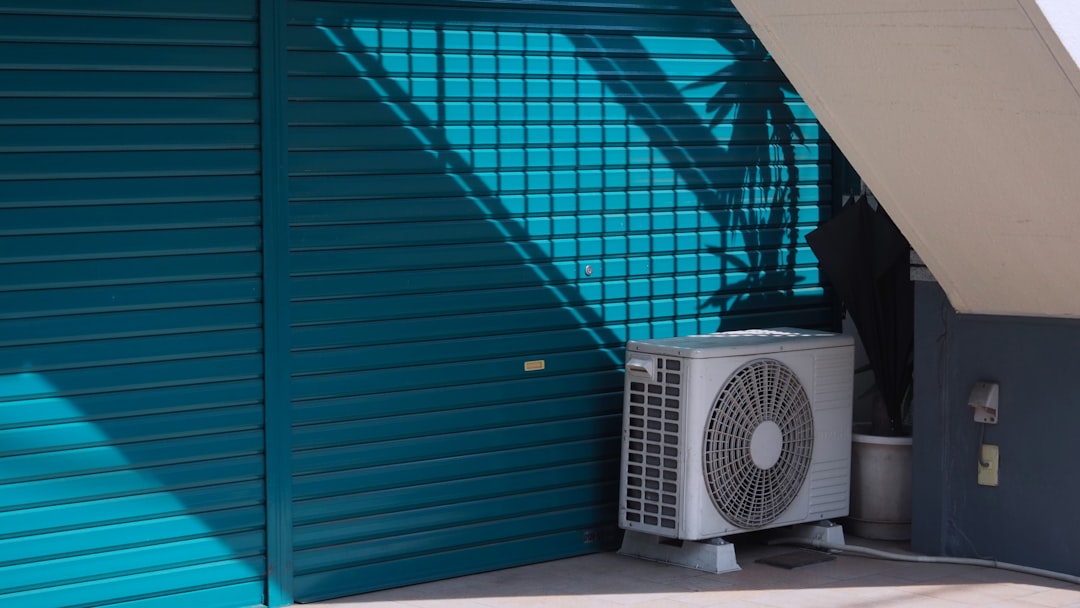
Your outdoor condenser unit is responsible for releasing the heat captured from inside your home out into the wild. To do this efficiently, the metal fins surrounding the unit need plenty of breathing room.
For more localized advice on managing outdoor units through the changing Kansas seasons, explore our HVAC Maintenance Tips for Kansas Homeowners.
Your air conditioner does not just cool your home; it also dehumidifies it. As warm indoor air passes over the cold evaporator coil, moisture condenses out of the air and drips into a drain pan, where it is funneled outside through a condensate drain line.
Properly managing this moisture is also key to protecting your indoor environment. Learn more about How Proper Maintenance Prevents Mold Growth to keep your family breathing clean, safe air.
Your thermostat is the brain of your HVAC system. If it is not calibrated correctly, it cannot accurately read the indoor temperature, which leads to major operational issues.
While the DIY steps above are incredibly effective, there are highly technical components of your heating and cooling system that require a trained eye. Scheduling professional tune-ups twice a year—once in the spring for your air conditioner and once in the fall for your furnace—is the single most reliable way to prevent HVAC emergencies with maintenance.
During a professional tune-up, a technician will inspect critical parts that homeowners cannot easily access:
To understand why this timing is so critical and what to expect during a professional visit, read our detailed breakdown on How Often Should You Service Your HVAC System.
Investing a little time and effort into proactive maintenance pays massive dividends over time. To illustrate the difference, let us look at how proactive care compares to waiting for things to break:
| Service Feature | Proactive Maintenance Approach | Reactive Emergency Repair Approach |
|---|---|---|
| System Reliability | 95% reduction in sudden breakdowns; peace of mind during extreme weather. | High risk of failure during peak summer heatwaves or winter freezes. |
| Equipment Lifespan | Can easily double the system's remaining life (15–20+ years). | Neglected systems often fail prematurely at 8–10 years. |
| Energy Consumption | Reduces energy use by 10% to 20% through optimized airflow and clean coils. | System consumes up to 20% more energy due to dirty components. |
| Warranty Status | Keeps manufacturer warranty fully valid with documented annual service. | Lack of professional maintenance can instantly void your warranty coverage. |
Beyond the daily comfort and lower utility bills, proactive care protects two of your most significant financial investments: your equipment's lifespan and its factory warranty. To learn how long your system should last under ideal conditions, see our analysis of the Average Lifespan of an HVAC System in Kansas.
Many homeowners do not realize that their HVAC manufacturer’s warranty comes with strings attached. If your compressor or heat exchanger fails prematurely, the manufacturer will often require documented proof of regular, professional maintenance before they will cover the cost of the replacement part.
Without annual tune-up records, you could find yourself paying out-of-pocket for a major repair that should have been fully covered. Proactive maintenance is essentially an insurance policy for your warranty.
A well-maintained HVAC system is an efficient system. When dirt builds up on the coils, filters are clogged, or the blower motor is dry and struggling, the system must run longer and draw more electricity to reach your thermostat's setpoint.
By optimizing airflow, cleaning the coils, and calibrating the controls, regular maintenance keeps your energy consumption 10% to 20% lower. Over the course of a scorching Kansas summer and a freezing winter, those monthly utility savings quickly add up.
Your heating and cooling system will almost always try to warn you before it breaks down completely. Watch out for these red flags:
Yes, absolutely. A professional maintenance plan simplifies your home upkeep by putting your system's schedule on autopilot. Most plans include scheduled semi-annual visits, priority scheduling during busy peak seasons, and discounts on repairs.
Considering that 70% of homeowners experience an HVAC breakdown during peak seasons when technicians are busiest, having priority status is incredibly valuable. To see if a plan makes sense for your home, read our guide: Is an HVAC Maintenance Plan Worth It.
Seasonal maintenance targets the specific components that are about to undergo the heaviest workloads.
Taking a few simple steps to prevent HVAC emergencies with maintenance is one of the smartest decisions you can make as a homeowner. By staying on top of your air filters, keeping your outdoor unit clear, flushing your drain lines, and partnering with certified professionals for seasonal tune-ups, you can avoid stressful, emergency breakdowns and keep your utility bills manageable.
At MJB Heating & Cooling, we have been keeping families comfortable across the Wichita metro area since 1984. As a family-owned business founded in Derby, KS, we pride ourselves on quality workmanship and an honest, transparent approach. Whether you live in Derby, Haysville, Andover, or right in the heart of Wichita, we are here to provide the dependable comfort and local expertise your home deserves.
If you want to ensure your system is fully prepared to handle the upcoming season, or if you need fast, reliable support, explore our options for Emergency HVAC Repair in Andover, KS and let us handle the hard work for you.
The best way to prevent HVAC emergencies with maintenance is to stay consistent with a few simple habits before problems have a chance to build. Here's a quick overview:
Most HVAC breakdowns don't happen out of nowhere. They build slowly — a clogged filter here, a skipped tune-up there — until the system finally gives out on the hottest afternoon in July or the coldest morning in December. In fact, research shows that regular maintenance can cut the risk of costly HVAC breakdowns by up to 95%, yet fewer than half of homeowners had their system serviced in the past year.
For homeowners across the Wichita metro area, where Kansas summers push air conditioners hard and winters demand reliable heat, that gap between knowing and doing can mean the difference between a quick service visit and an urgent after-hours repair call.
The good news? A small amount of consistent upkeep goes a long way. This guide walks you through five practical steps any homeowner can follow to protect their system, avoid surprise breakdowns, and keep their home comfortable year-round.
Before we dive into the preventative steps, it is important to understand what actually counts as an HVAC emergency. Not every system glitch requires an urgent midnight technician visit, but some issues absolutely threaten your health, safety, or property.
Here is how we distinguish between the two:
If you find yourself facing an urgent system failure, knowing how to react can prevent further damage. For practical steps to take during a sudden breakdown, read our Emergency HVAC Repair Tips for Kansas Homeowners.
Now that we know what we are trying to avoid, let us focus on prevention. You do not need to be an HVAC specialist to keep your system running smoothly. By taking a proactive approach, you can keep your heating and cooling equipment out of the "danger zone."
Implementing a few basic habits is the ultimate way to prevent HVAC emergencies with maintenance. For a complete checklist of tasks you can perform alongside our team, check out these Essential HVAC Maintenance Tips for Your Furnace and AC.
Here are the five simple steps to secure your home comfort.
If there is a single "golden rule" of HVAC health, it is maintaining proper airflow. Your heating and cooling system relies on a steady, unobstructed flow of air to regulate temperatures and keep its internal components cool.
When an air filter becomes clogged with dust, pet dander, and pollen, it acts like a wall. The system has to work twice as hard to pull air through, which strains the blower motor, spikes your energy bills, and can cause the evaporator coil to freeze over or the furnace to overheat and shut down entirely.
To determine the ideal schedule for your specific household needs, see our guide on How Often Should You Change Your HVAC Air Filter.
Your outdoor condenser unit is responsible for releasing the heat captured from inside your home out into the wild. To do this efficiently, the metal fins surrounding the unit need plenty of breathing room.
For more localized advice on managing outdoor units through the changing Kansas seasons, explore our HVAC Maintenance Tips for Kansas Homeowners.
Your air conditioner does not just cool your home; it also dehumidifies it. As warm indoor air passes over the cold evaporator coil, moisture condenses out of the air and drips into a drain pan, where it is funneled outside through a condensate drain line.
Properly managing this moisture is also key to protecting your indoor environment. Learn more about How Proper Maintenance Prevents Mold Growth to keep your family breathing clean, safe air.
Your thermostat is the brain of your HVAC system. If it is not calibrated correctly, it cannot accurately read the indoor temperature, which leads to major operational issues.
While the DIY steps above are incredibly effective, there are highly technical components of your heating and cooling system that require a trained eye. Scheduling professional tune-ups twice a year—once in the spring for your air conditioner and once in the fall for your furnace—is the single most reliable way to prevent HVAC emergencies with maintenance.
During a professional tune-up, a technician will inspect critical parts that homeowners cannot easily access:
To understand why this timing is so critical and what to expect during a professional visit, read our detailed breakdown on How Often Should You Service Your HVAC System.
Investing a little time and effort into proactive maintenance pays massive dividends over time. To illustrate the difference, let us look at how proactive care compares to waiting for things to break:
| Service Feature | Proactive Maintenance Approach | Reactive Emergency Repair Approach |
|---|---|---|
| System Reliability | 95% reduction in sudden breakdowns; peace of mind during extreme weather. | High risk of failure during peak summer heatwaves or winter freezes. |
| Equipment Lifespan | Can easily double the system's remaining life (15–20+ years). | Neglected systems often fail prematurely at 8–10 years. |
| Energy Consumption | Reduces energy use by 10% to 20% through optimized airflow and clean coils. | System consumes up to 20% more energy due to dirty components. |
| Warranty Status | Keeps manufacturer warranty fully valid with documented annual service. | Lack of professional maintenance can instantly void your warranty coverage. |
Beyond the daily comfort and lower utility bills, proactive care protects two of your most significant financial investments: your equipment's lifespan and its factory warranty. To learn how long your system should last under ideal conditions, see our analysis of the Average Lifespan of an HVAC System in Kansas.
Many homeowners do not realize that their HVAC manufacturer’s warranty comes with strings attached. If your compressor or heat exchanger fails prematurely, the manufacturer will often require documented proof of regular, professional maintenance before they will cover the cost of the replacement part.
Without annual tune-up records, you could find yourself paying out-of-pocket for a major repair that should have been fully covered. Proactive maintenance is essentially an insurance policy for your warranty.
A well-maintained HVAC system is an efficient system. When dirt builds up on the coils, filters are clogged, or the blower motor is dry and struggling, the system must run longer and draw more electricity to reach your thermostat's setpoint.
By optimizing airflow, cleaning the coils, and calibrating the controls, regular maintenance keeps your energy consumption 10% to 20% lower. Over the course of a scorching Kansas summer and a freezing winter, those monthly utility savings quickly add up.
Your heating and cooling system will almost always try to warn you before it breaks down completely. Watch out for these red flags:
Yes, absolutely. A professional maintenance plan simplifies your home upkeep by putting your system's schedule on autopilot. Most plans include scheduled semi-annual visits, priority scheduling during busy peak seasons, and discounts on repairs.
Considering that 70% of homeowners experience an HVAC breakdown during peak seasons when technicians are busiest, having priority status is incredibly valuable. To see if a plan makes sense for your home, read our guide: Is an HVAC Maintenance Plan Worth It.
Seasonal maintenance targets the specific components that are about to undergo the heaviest workloads.
Taking a few simple steps to prevent HVAC emergencies with maintenance is one of the smartest decisions you can make as a homeowner. By staying on top of your air filters, keeping your outdoor unit clear, flushing your drain lines, and partnering with certified professionals for seasonal tune-ups, you can avoid stressful, emergency breakdowns and keep your utility bills manageable.
At MJB Heating & Cooling, we have been keeping families comfortable across the Wichita metro area since 1984. As a family-owned business founded in Derby, KS, we pride ourselves on quality workmanship and an honest, transparent approach. Whether you live in Derby, Haysville, Andover, or right in the heart of Wichita, we are here to provide the dependable comfort and local expertise your home deserves.
If you want to ensure your system is fully prepared to handle the upcoming season, or if you need fast, reliable support, explore our options for Emergency HVAC Repair in Andover, KS and let us handle the hard work for you.
The best way to prevent HVAC emergencies with maintenance is to stay consistent with a few simple habits before problems have a chance to build. Here's a quick overview:
Most HVAC breakdowns don't happen out of nowhere. They build slowly — a clogged filter here, a skipped tune-up there — until the system finally gives out on the hottest afternoon in July or the coldest morning in December. In fact, research shows that regular maintenance can cut the risk of costly HVAC breakdowns by up to 95%, yet fewer than half of homeowners had their system serviced in the past year.
For homeowners across the Wichita metro area, where Kansas summers push air conditioners hard and winters demand reliable heat, that gap between knowing and doing can mean the difference between a quick service visit and an urgent after-hours repair call.
The good news? A small amount of consistent upkeep goes a long way. This guide walks you through five practical steps any homeowner can follow to protect their system, avoid surprise breakdowns, and keep their home comfortable year-round.
Before we dive into the preventative steps, it is important to understand what actually counts as an HVAC emergency. Not every system glitch requires an urgent midnight technician visit, but some issues absolutely threaten your health, safety, or property.
Here is how we distinguish between the two:
If you find yourself facing an urgent system failure, knowing how to react can prevent further damage. For practical steps to take during a sudden breakdown, read our Emergency HVAC Repair Tips for Kansas Homeowners.
Now that we know what we are trying to avoid, let us focus on prevention. You do not need to be an HVAC specialist to keep your system running smoothly. By taking a proactive approach, you can keep your heating and cooling equipment out of the "danger zone."
Implementing a few basic habits is the ultimate way to prevent HVAC emergencies with maintenance. For a complete checklist of tasks you can perform alongside our team, check out these Essential HVAC Maintenance Tips for Your Furnace and AC.
Here are the five simple steps to secure your home comfort.
If there is a single "golden rule" of HVAC health, it is maintaining proper airflow. Your heating and cooling system relies on a steady, unobstructed flow of air to regulate temperatures and keep its internal components cool.
When an air filter becomes clogged with dust, pet dander, and pollen, it acts like a wall. The system has to work twice as hard to pull air through, which strains the blower motor, spikes your energy bills, and can cause the evaporator coil to freeze over or the furnace to overheat and shut down entirely.
To determine the ideal schedule for your specific household needs, see our guide on How Often Should You Change Your HVAC Air Filter.
Your outdoor condenser unit is responsible for releasing the heat captured from inside your home out into the wild. To do this efficiently, the metal fins surrounding the unit need plenty of breathing room.
For more localized advice on managing outdoor units through the changing Kansas seasons, explore our HVAC Maintenance Tips for Kansas Homeowners.
Your air conditioner does not just cool your home; it also dehumidifies it. As warm indoor air passes over the cold evaporator coil, moisture condenses out of the air and drips into a drain pan, where it is funneled outside through a condensate drain line.
Properly managing this moisture is also key to protecting your indoor environment. Learn more about How Proper Maintenance Prevents Mold Growth to keep your family breathing clean, safe air.
Your thermostat is the brain of your HVAC system. If it is not calibrated correctly, it cannot accurately read the indoor temperature, which leads to major operational issues.
While the DIY steps above are incredibly effective, there are highly technical components of your heating and cooling system that require a trained eye. Scheduling professional tune-ups twice a year—once in the spring for your air conditioner and once in the fall for your furnace—is the single most reliable way to prevent HVAC emergencies with maintenance.
During a professional tune-up, a technician will inspect critical parts that homeowners cannot easily access:
To understand why this timing is so critical and what to expect during a professional visit, read our detailed breakdown on How Often Should You Service Your HVAC System.
Investing a little time and effort into proactive maintenance pays massive dividends over time. To illustrate the difference, let us look at how proactive care compares to waiting for things to break:
| Service Feature | Proactive Maintenance Approach | Reactive Emergency Repair Approach |
|---|---|---|
| System Reliability | 95% reduction in sudden breakdowns; peace of mind during extreme weather. | High risk of failure during peak summer heatwaves or winter freezes. |
| Equipment Lifespan | Can easily double the system's remaining life (15–20+ years). | Neglected systems often fail prematurely at 8–10 years. |
| Energy Consumption | Reduces energy use by 10% to 20% through optimized airflow and clean coils. | System consumes up to 20% more energy due to dirty components. |
| Warranty Status | Keeps manufacturer warranty fully valid with documented annual service. | Lack of professional maintenance can instantly void your warranty coverage. |
Beyond the daily comfort and lower utility bills, proactive care protects two of your most significant financial investments: your equipment's lifespan and its factory warranty. To learn how long your system should last under ideal conditions, see our analysis of the Average Lifespan of an HVAC System in Kansas.
Many homeowners do not realize that their HVAC manufacturer’s warranty comes with strings attached. If your compressor or heat exchanger fails prematurely, the manufacturer will often require documented proof of regular, professional maintenance before they will cover the cost of the replacement part.
Without annual tune-up records, you could find yourself paying out-of-pocket for a major repair that should have been fully covered. Proactive maintenance is essentially an insurance policy for your warranty.
A well-maintained HVAC system is an efficient system. When dirt builds up on the coils, filters are clogged, or the blower motor is dry and struggling, the system must run longer and draw more electricity to reach your thermostat's setpoint.
By optimizing airflow, cleaning the coils, and calibrating the controls, regular maintenance keeps your energy consumption 10% to 20% lower. Over the course of a scorching Kansas summer and a freezing winter, those monthly utility savings quickly add up.
Your heating and cooling system will almost always try to warn you before it breaks down completely. Watch out for these red flags:
Yes, absolutely. A professional maintenance plan simplifies your home upkeep by putting your system's schedule on autopilot. Most plans include scheduled semi-annual visits, priority scheduling during busy peak seasons, and discounts on repairs.
Considering that 70% of homeowners experience an HVAC breakdown during peak seasons when technicians are busiest, having priority status is incredibly valuable. To see if a plan makes sense for your home, read our guide: Is an HVAC Maintenance Plan Worth It.
Seasonal maintenance targets the specific components that are about to undergo the heaviest workloads.
Taking a few simple steps to prevent HVAC emergencies with maintenance is one of the smartest decisions you can make as a homeowner. By staying on top of your air filters, keeping your outdoor unit clear, flushing your drain lines, and partnering with certified professionals for seasonal tune-ups, you can avoid stressful, emergency breakdowns and keep your utility bills manageable.
At MJB Heating & Cooling, we have been keeping families comfortable across the Wichita metro area since 1984. As a family-owned business founded in Derby, KS, we pride ourselves on quality workmanship and an honest, transparent approach. Whether you live in Derby, Haysville, Andover, or right in the heart of Wichita, we are here to provide the dependable comfort and local expertise your home deserves.
If you want to ensure your system is fully prepared to handle the upcoming season, or if you need fast, reliable support, explore our options for Emergency HVAC Repair in Andover, KS and let us handle the hard work for you.

The best way to prevent HVAC emergencies with maintenance is to stay consistent with a few simple habits before problems have a chance to build. Here's a quick overview:
Most HVAC breakdowns don't happen out of nowhere. They build slowly — a clogged filter here, a skipped tune-up there — until the system finally gives out on the hottest afternoon in July or the coldest morning in December. In fact, research shows that regular maintenance can cut the risk of costly HVAC breakdowns by up to 95%, yet fewer than half of homeowners had their system serviced in the past year.
For homeowners across the Wichita metro area, where Kansas summers push air conditioners hard and winters demand reliable heat, that gap between knowing and doing can mean the difference between a quick service visit and an urgent after-hours repair call.
The good news? A small amount of consistent upkeep goes a long way. This guide walks you through five practical steps any homeowner can follow to protect their system, avoid surprise breakdowns, and keep their home comfortable year-round.
Before we dive into the preventative steps, it is important to understand what actually counts as an HVAC emergency. Not every system glitch requires an urgent midnight technician visit, but some issues absolutely threaten your health, safety, or property.
Here is how we distinguish between the two:
If you find yourself facing an urgent system failure, knowing how to react can prevent further damage. For practical steps to take during a sudden breakdown, read our Emergency HVAC Repair Tips for Kansas Homeowners.
Now that we know what we are trying to avoid, let us focus on prevention. You do not need to be an HVAC specialist to keep your system running smoothly. By taking a proactive approach, you can keep your heating and cooling equipment out of the "danger zone."
Implementing a few basic habits is the ultimate way to prevent HVAC emergencies with maintenance. For a complete checklist of tasks you can perform alongside our team, check out these Essential HVAC Maintenance Tips for Your Furnace and AC.
Here are the five simple steps to secure your home comfort.
If there is a single "golden rule" of HVAC health, it is maintaining proper airflow. Your heating and cooling system relies on a steady, unobstructed flow of air to regulate temperatures and keep its internal components cool.
When an air filter becomes clogged with dust, pet dander, and pollen, it acts like a wall. The system has to work twice as hard to pull air through, which strains the blower motor, spikes your energy bills, and can cause the evaporator coil to freeze over or the furnace to overheat and shut down entirely.
To determine the ideal schedule for your specific household needs, see our guide on How Often Should You Change Your HVAC Air Filter.
Your outdoor condenser unit is responsible for releasing the heat captured from inside your home out into the wild. To do this efficiently, the metal fins surrounding the unit need plenty of breathing room.
For more localized advice on managing outdoor units through the changing Kansas seasons, explore our HVAC Maintenance Tips for Kansas Homeowners.
Your air conditioner does not just cool your home; it also dehumidifies it. As warm indoor air passes over the cold evaporator coil, moisture condenses out of the air and drips into a drain pan, where it is funneled outside through a condensate drain line.
Properly managing this moisture is also key to protecting your indoor environment. Learn more about How Proper Maintenance Prevents Mold Growth to keep your family breathing clean, safe air.
Your thermostat is the brain of your HVAC system. If it is not calibrated correctly, it cannot accurately read the indoor temperature, which leads to major operational issues.
While the DIY steps above are incredibly effective, there are highly technical components of your heating and cooling system that require a trained eye. Scheduling professional tune-ups twice a year—once in the spring for your air conditioner and once in the fall for your furnace—is the single most reliable way to prevent HVAC emergencies with maintenance.
During a professional tune-up, a technician will inspect critical parts that homeowners cannot easily access:
To understand why this timing is so critical and what to expect during a professional visit, read our detailed breakdown on How Often Should You Service Your HVAC System.
Investing a little time and effort into proactive maintenance pays massive dividends over time. To illustrate the difference, let us look at how proactive care compares to waiting for things to break:
| Service Feature | Proactive Maintenance Approach | Reactive Emergency Repair Approach |
|---|---|---|
| System Reliability | 95% reduction in sudden breakdowns; peace of mind during extreme weather. | High risk of failure during peak summer heatwaves or winter freezes. |
| Equipment Lifespan | Can easily double the system's remaining life (15–20+ years). | Neglected systems often fail prematurely at 8–10 years. |
| Energy Consumption | Reduces energy use by 10% to 20% through optimized airflow and clean coils. | System consumes up to 20% more energy due to dirty components. |
| Warranty Status | Keeps manufacturer warranty fully valid with documented annual service. | Lack of professional maintenance can instantly void your warranty coverage. |
Beyond the daily comfort and lower utility bills, proactive care protects two of your most significant financial investments: your equipment's lifespan and its factory warranty. To learn how long your system should last under ideal conditions, see our analysis of the Average Lifespan of an HVAC System in Kansas.
Many homeowners do not realize that their HVAC manufacturer’s warranty comes with strings attached. If your compressor or heat exchanger fails prematurely, the manufacturer will often require documented proof of regular, professional maintenance before they will cover the cost of the replacement part.
Without annual tune-up records, you could find yourself paying out-of-pocket for a major repair that should have been fully covered. Proactive maintenance is essentially an insurance policy for your warranty.
A well-maintained HVAC system is an efficient system. When dirt builds up on the coils, filters are clogged, or the blower motor is dry and struggling, the system must run longer and draw more electricity to reach your thermostat's setpoint.
By optimizing airflow, cleaning the coils, and calibrating the controls, regular maintenance keeps your energy consumption 10% to 20% lower. Over the course of a scorching Kansas summer and a freezing winter, those monthly utility savings quickly add up.
Your heating and cooling system will almost always try to warn you before it breaks down completely. Watch out for these red flags:
Yes, absolutely. A professional maintenance plan simplifies your home upkeep by putting your system's schedule on autopilot. Most plans include scheduled semi-annual visits, priority scheduling during busy peak seasons, and discounts on repairs.
Considering that 70% of homeowners experience an HVAC breakdown during peak seasons when technicians are busiest, having priority status is incredibly valuable. To see if a plan makes sense for your home, read our guide: Is an HVAC Maintenance Plan Worth It.
Seasonal maintenance targets the specific components that are about to undergo the heaviest workloads.
Taking a few simple steps to prevent HVAC emergencies with maintenance is one of the smartest decisions you can make as a homeowner. By staying on top of your air filters, keeping your outdoor unit clear, flushing your drain lines, and partnering with certified professionals for seasonal tune-ups, you can avoid stressful, emergency breakdowns and keep your utility bills manageable.
At MJB Heating & Cooling, we have been keeping families comfortable across the Wichita metro area since 1984. As a family-owned business founded in Derby, KS, we pride ourselves on quality workmanship and an honest, transparent approach. Whether you live in Derby, Haysville, Andover, or right in the heart of Wichita, we are here to provide the dependable comfort and local expertise your home deserves.
If you want to ensure your system is fully prepared to handle the upcoming season, or if you need fast, reliable support, explore our options for Emergency HVAC Repair in Andover, KS and let us handle the hard work for you.
The best way to prevent HVAC emergencies with maintenance is to stay consistent with a few simple habits before problems have a chance to build. Here's a quick overview:
Most HVAC breakdowns don't happen out of nowhere. They build slowly — a clogged filter here, a skipped tune-up there — until the system finally gives out on the hottest afternoon in July or the coldest morning in December. In fact, research shows that regular maintenance can cut the risk of costly HVAC breakdowns by up to 95%, yet fewer than half of homeowners had their system serviced in the past year.
For homeowners across the Wichita metro area, where Kansas summers push air conditioners hard and winters demand reliable heat, that gap between knowing and doing can mean the difference between a quick service visit and an urgent after-hours repair call.
The good news? A small amount of consistent upkeep goes a long way. This guide walks you through five practical steps any homeowner can follow to protect their system, avoid surprise breakdowns, and keep their home comfortable year-round.
Before we dive into the preventative steps, it is important to understand what actually counts as an HVAC emergency. Not every system glitch requires an urgent midnight technician visit, but some issues absolutely threaten your health, safety, or property.
Here is how we distinguish between the two:
If you find yourself facing an urgent system failure, knowing how to react can prevent further damage. For practical steps to take during a sudden breakdown, read our Emergency HVAC Repair Tips for Kansas Homeowners.
Now that we know what we are trying to avoid, let us focus on prevention. You do not need to be an HVAC specialist to keep your system running smoothly. By taking a proactive approach, you can keep your heating and cooling equipment out of the "danger zone."
Implementing a few basic habits is the ultimate way to prevent HVAC emergencies with maintenance. For a complete checklist of tasks you can perform alongside our team, check out these Essential HVAC Maintenance Tips for Your Furnace and AC.
Here are the five simple steps to secure your home comfort.
If there is a single "golden rule" of HVAC health, it is maintaining proper airflow. Your heating and cooling system relies on a steady, unobstructed flow of air to regulate temperatures and keep its internal components cool.
When an air filter becomes clogged with dust, pet dander, and pollen, it acts like a wall. The system has to work twice as hard to pull air through, which strains the blower motor, spikes your energy bills, and can cause the evaporator coil to freeze over or the furnace to overheat and shut down entirely.
To determine the ideal schedule for your specific household needs, see our guide on How Often Should You Change Your HVAC Air Filter.
Your outdoor condenser unit is responsible for releasing the heat captured from inside your home out into the wild. To do this efficiently, the metal fins surrounding the unit need plenty of breathing room.
For more localized advice on managing outdoor units through the changing Kansas seasons, explore our HVAC Maintenance Tips for Kansas Homeowners.
Your air conditioner does not just cool your home; it also dehumidifies it. As warm indoor air passes over the cold evaporator coil, moisture condenses out of the air and drips into a drain pan, where it is funneled outside through a condensate drain line.
Properly managing this moisture is also key to protecting your indoor environment. Learn more about How Proper Maintenance Prevents Mold Growth to keep your family breathing clean, safe air.
Your thermostat is the brain of your HVAC system. If it is not calibrated correctly, it cannot accurately read the indoor temperature, which leads to major operational issues.
While the DIY steps above are incredibly effective, there are highly technical components of your heating and cooling system that require a trained eye. Scheduling professional tune-ups twice a year—once in the spring for your air conditioner and once in the fall for your furnace—is the single most reliable way to prevent HVAC emergencies with maintenance.
During a professional tune-up, a technician will inspect critical parts that homeowners cannot easily access:
To understand why this timing is so critical and what to expect during a professional visit, read our detailed breakdown on How Often Should You Service Your HVAC System.
Investing a little time and effort into proactive maintenance pays massive dividends over time. To illustrate the difference, let us look at how proactive care compares to waiting for things to break:
| Service Feature | Proactive Maintenance Approach | Reactive Emergency Repair Approach |
|---|---|---|
| System Reliability | 95% reduction in sudden breakdowns; peace of mind during extreme weather. | High risk of failure during peak summer heatwaves or winter freezes. |
| Equipment Lifespan | Can easily double the system's remaining life (15–20+ years). | Neglected systems often fail prematurely at 8–10 years. |
| Energy Consumption | Reduces energy use by 10% to 20% through optimized airflow and clean coils. | System consumes up to 20% more energy due to dirty components. |
| Warranty Status | Keeps manufacturer warranty fully valid with documented annual service. | Lack of professional maintenance can instantly void your warranty coverage. |
Beyond the daily comfort and lower utility bills, proactive care protects two of your most significant financial investments: your equipment's lifespan and its factory warranty. To learn how long your system should last under ideal conditions, see our analysis of the Average Lifespan of an HVAC System in Kansas.
Many homeowners do not realize that their HVAC manufacturer’s warranty comes with strings attached. If your compressor or heat exchanger fails prematurely, the manufacturer will often require documented proof of regular, professional maintenance before they will cover the cost of the replacement part.
Without annual tune-up records, you could find yourself paying out-of-pocket for a major repair that should have been fully covered. Proactive maintenance is essentially an insurance policy for your warranty.
A well-maintained HVAC system is an efficient system. When dirt builds up on the coils, filters are clogged, or the blower motor is dry and struggling, the system must run longer and draw more electricity to reach your thermostat's setpoint.
By optimizing airflow, cleaning the coils, and calibrating the controls, regular maintenance keeps your energy consumption 10% to 20% lower. Over the course of a scorching Kansas summer and a freezing winter, those monthly utility savings quickly add up.
Your heating and cooling system will almost always try to warn you before it breaks down completely. Watch out for these red flags:
Yes, absolutely. A professional maintenance plan simplifies your home upkeep by putting your system's schedule on autopilot. Most plans include scheduled semi-annual visits, priority scheduling during busy peak seasons, and discounts on repairs.
Considering that 70% of homeowners experience an HVAC breakdown during peak seasons when technicians are busiest, having priority status is incredibly valuable. To see if a plan makes sense for your home, read our guide: Is an HVAC Maintenance Plan Worth It.
Seasonal maintenance targets the specific components that are about to undergo the heaviest workloads.
Taking a few simple steps to prevent HVAC emergencies with maintenance is one of the smartest decisions you can make as a homeowner. By staying on top of your air filters, keeping your outdoor unit clear, flushing your drain lines, and partnering with certified professionals for seasonal tune-ups, you can avoid stressful, emergency breakdowns and keep your utility bills manageable.
At MJB Heating & Cooling, we have been keeping families comfortable across the Wichita metro area since 1984. As a family-owned business founded in Derby, KS, we pride ourselves on quality workmanship and an honest, transparent approach. Whether you live in Derby, Haysville, Andover, or right in the heart of Wichita, we are here to provide the dependable comfort and local expertise your home deserves.
If you want to ensure your system is fully prepared to handle the upcoming season, or if you need fast, reliable support, explore our options for Emergency HVAC Repair in Andover, KS and let us handle the hard work for you.


Our A/C stopped working on a Sunday and due to health issues, we needed to find a service company available on a Sunday. I called MJB and left a message on their emergency voice mail. Within 10 minutes Tom Buck called me to hear my description of the symptoms. He was just finishing an appointment in Wichita and would be on his way to my home on the south end of Derby. He arrived within 30 minutes! From start to finish he was the perfect example of what you could ever hope for in an HVAC tech and a human being. His evaluation of our system inside and out was as thorough as I could ever imagine and once he was done with the repair, our system is running as well or better than ever. Well worth the price for the evaluation, parts, and labor. Thank you again Tom for an awesome experience.
Our AC went out during the hottest days of the year, and they were out next day! We have been jerked around by a shoddy home warranty for years. We finally had a chance to pick our own repair people, and MJB came highly recommended. I can see why! I was impressed with the honesty and speed at which they fixed our AC unit!
Our commercial building had a lightening/electrical strike and damaged our 20 ton AC unit. No one could find us a new unit before the end of September. Imagining going all of August and September with no AC in Kansas and working inside near 100 degree temps is less than thrilling. Dale and the team at MJB called around and saved the day. They had us a new unit 5 weeks earlier than other could promise and I now have happy employees. The unit is amazingly quiet, super cold and so much more energy efficient. Thank you for being our super hero!
Came out and installed my new furnace. Was very polite and affordable. They are very acknowledgeable and I highly recommend!
Thank you very much. We had our 1st warm night in 3weeks. MJB took the time and effort to find the real problem. And the employees were kind and thoughtful and explained things very well. I cannot thank you and all of MJB. Will recommend you highly. Thanks again Marjorie Herman Oxford Kansas
We had a new system installed and I was so impressed with how quick they were in come out and install it, in the middle of a hot summer day. They were so friendly & very professional. I had a small problem with a weird sound and they came over immediately and fixed it. Love them!