.avif)





Blogs
Stay updated with our latest blog posts.
If you're searching for the best air filter for homes in dusty climates, here's a quick answer before we dive in:
Top air filters for dusty homes, ranked by dust control performance:
| Filter Type | MERV Rating | Best For | Replacement Interval |
|---|---|---|---|
| Filtrete MPR 1900 (1-inch) | MERV 13 | Fine dust, allergens, whole-home | Every 90 days |
| Filtrete MPR 2500 (1-inch) | MERV 14 | Ultrafine particles, smoke | Every 90 days |
| Deep-pleated media (4-inch) | MERV 11-13 | High-dust homes, longer life | Every 6-12 months |
| Deep-pleated media (5-inch) | MERV 11-13 | Maximum dust capacity | Every 9-12 months |
Central Kansas homeowners know the struggle well. Wind-driven dust, dry air, and wide-open terrain mean your HVAC system works harder than most to keep your indoor air clean. In fact, the EPA has found that indoor air pollutant levels can run two to five times higher than what's found outside — and in a dusty climate like Wichita's, that gap can be even wider.
Your HVAC filter is the first line of defense. But not all filters are built for the kind of dust load that Kansas dishes out. Choosing the wrong one means your system pushes fine particles right back into your living space, coats your furniture faster, and strains your equipment over time.
The good news is that picking the right filter — and maintaining it on the right schedule — makes a real, measurable difference in your home's air quality and your system's long-term health. For a deeper understanding of how our local weather shapes your indoor climate, check out our Kansas Climate HVAC Guide.

When you live in places like Wichita, Derby, or Maize, Kansas, wind-blown agricultural dust and soil particles are a constant presence. To stop these invaders from settling on your coffee table—and in your lungs—you need a filter that does more than just stop "boulder-sized" dust bunnies. It needs to trap microscopic particles.
A standard, cheap fiberglass filter is only designed to protect your HVAC equipment from large debris. To actually clean your indoor air, the best air filter for homes in dusty climates relies on three core design principles:
To learn more about how these mechanisms interact with your heating and cooling equipment, read about How Your HVAC System Affects the Air You Breathe.
If you have ever stared at the air filter aisle in a home improvement store, you know the rating systems can look like alphabet soup. Let's break down the two most common metrics you will encounter:
In dusty climates, choosing a filter with a MERV 13 or MPR 1900 rating is highly effective. These filters capture up to 98% of airborne particles, including fine dust, dust mites, pollen, and mold spores. Upgrading to this level of filtration ensures you are grabbing the invisible microparticles before they settle. Discover more about this process in our guide on How Air Purification Removes Allergens Dust and Pollutants.
If your HVAC system's filter slot can accommodate it, upgrading from a standard 1-inch filter to a thicker 4-inch or 5-inch media filter is a game-changer for dust control.
Thicker filters are not inherently "restrictive" to your airflow. In fact, because they have significantly more surface area folded into their deep pleats, they allow air to flow through more easily than a dirty 1-inch filter.
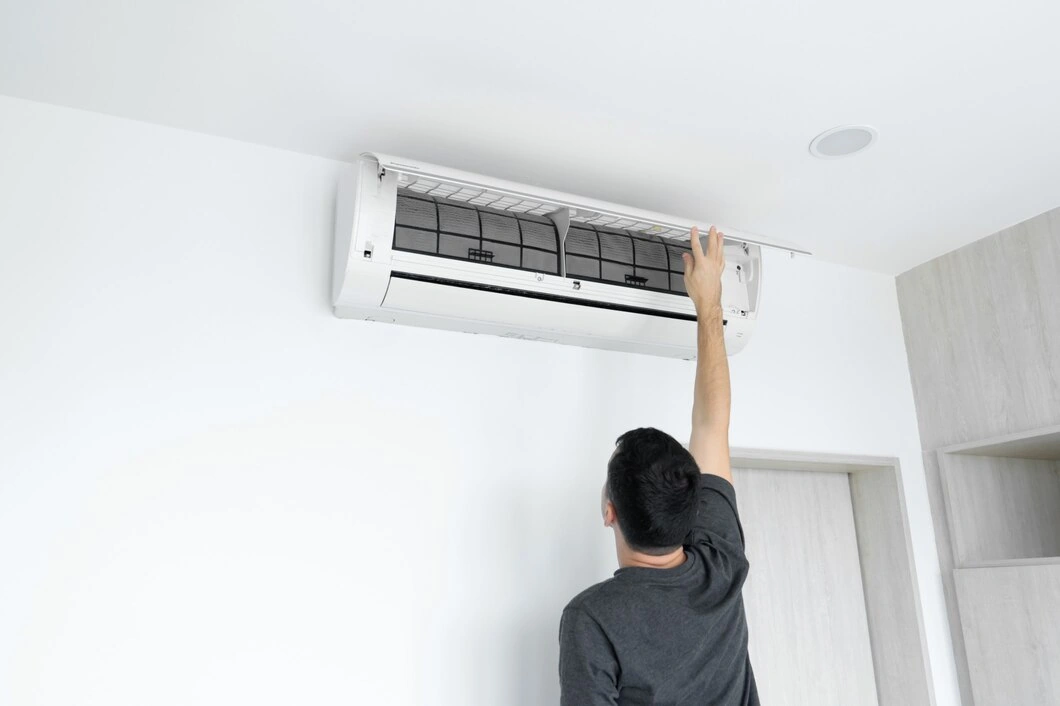
To help you choose, we have put together a comparison of how standard thin pleated filters stack up against deep-pleated media filters for managing heavy dust:
| Feature | Standard 1-Inch Pleated Filter | Deep-Pleated 4-to-5-Inch Media Filter |
|---|---|---|
| Dust Holding Capacity | Low to Moderate (clogs quickly in high dust) | Extremely High (holds months of heavy dust) |
| Airflow Resistance | Increases rapidly as dust accumulates | Stays low for longer due to vast surface area |
| Typical Lifespan | 1 to 3 months | 6 to 12 months |
| Best HVAC Fit | Standard return grilles and slots | Dedicated media filter cabinets |
If your home is set up for a standard 1-inch filter, you don't have to settle for poor air quality. There are excellent high-efficiency options designed to maximize dust capture without suffocating your blower motor.
Using these high-quality 1-inch options is a reliable way to clean your air. Learn more about how these filters trap pesky particles by reading our article on how to Air Purification Remove Indoor Pollutants.
For the ultimate whole-home dust defense, deep-pleated media filters are unmatched.
While a high-quality HVAC filter is essential, it only cleans the air when your heating or cooling system is actively running. During the mild spring and autumn months in Kansas, your HVAC system might stay off for hours at a time, allowing dust to settle on your floors and furniture.
To solve this, many homeowners pair their HVAC filters with dedicated air purifiers. You can opt for a whole-house system integrated directly into your ductwork, or use portable units in high-traffic rooms. To see if a comprehensive system is right for your home, read our evaluation: Is a Whole House Air Purifier Worth It.
Portable air purifiers are rated by CADR (Clean Air Delivery Rate), which measures how quickly they remove dust, pollen, and smoke from a room. Running a purifier alongside a MERV 13 HVAC filter creates a highly effective dual-defense system.
Here are some top-performing air purifiers for dust control based on rigorous testing:
Using these systems in tandem with your main filter keeps air circulating and clean year-round. Discover more about seasonal air cleaning strategies in our article on how Air Purification Eliminates Summer Allergens.
In a dusty climate, even the best filter will eventually clog. When a filter becomes overloaded with Kansas dust, your system has to work harder to pull air through, which can spike your energy bills by 5% to 15% and cause mechanical issues.
Here is how to keep your system running beautifully:
For a complete breakdown of schedules and warning signs, read our comprehensive guides: How Often Should You Change Your HVAC Air Filter and How Often Should HVAC Air Filters Be Changed.
While the standard rule of thumb is 90 days for a high-quality 1-inch pleated filter, homes in dusty climates like Central Kansas often need replacements every 30 to 60 days, especially if you have pets or family members with allergies. Thicker 4-inch and 5-inch filters can last 6 to 12 months, but they should still be inspected every few months. Keeping your air clean also keeps indoor moisture levels balanced—learn more at How Proper Maintenance Prevents Mold Growth.
It can if it is poorly matched to your system. Filters with high MERV ratings (like MERV 14 or higher) have denser fibers, which require more force to push air through. If your system's blower motor isn't designed to handle that resistance, it can cause system strain, frozen coils, or even a system shutdown. We always recommend consulting with an HVAC professional to measure your system's static pressure before upgrading to high-MERV filters.
If you've installed a top-tier filter and still see a layer of dust on your mantelpiece every day, you likely have duct leaks. Leaky return ducts pull dusty air from your attic, crawlspace, or wall cavities directly into the system, blowing it straight into your rooms without passing through the filter. Additionally, old weather stripping around doors and windows can allow outdoor dust to bypass your home's defenses entirely. To understand how this affects your family, read about How Indoor Air Quality Affects Your Health.
Finding the best air filter for homes in dusty climates doesn't have to be a guessing game. By upgrading to a pleated MERV 11 to 13 filter (or a deep-pleated 4-to-5-inch media filter) and replacing it regularly, you can keep the Kansas dust outdoors where it belongs.
At MJB Heating & Cooling, we have been helping our neighbors in Wichita, Derby, Andover, and across the entire metro area breathe easier since 1984. As a family-owned business, we pride ourselves on quality workmanship and an honest, straightforward approach to home comfort.
Whether you need help retrofitting your system for a high-capacity media filter, sealing leaky ductwork, or installing a whole-home air purifier, our experienced team is here to help. Ready to clear the air? Schedule Service with MJB Heating & Cooling today!
If you're searching for the best air filter for homes in dusty climates, here's a quick answer before we dive in:
Top air filters for dusty homes, ranked by dust control performance:
| Filter Type | MERV Rating | Best For | Replacement Interval |
|---|---|---|---|
| Filtrete MPR 1900 (1-inch) | MERV 13 | Fine dust, allergens, whole-home | Every 90 days |
| Filtrete MPR 2500 (1-inch) | MERV 14 | Ultrafine particles, smoke | Every 90 days |
| Deep-pleated media (4-inch) | MERV 11-13 | High-dust homes, longer life | Every 6-12 months |
| Deep-pleated media (5-inch) | MERV 11-13 | Maximum dust capacity | Every 9-12 months |
Central Kansas homeowners know the struggle well. Wind-driven dust, dry air, and wide-open terrain mean your HVAC system works harder than most to keep your indoor air clean. In fact, the EPA has found that indoor air pollutant levels can run two to five times higher than what's found outside — and in a dusty climate like Wichita's, that gap can be even wider.
Your HVAC filter is the first line of defense. But not all filters are built for the kind of dust load that Kansas dishes out. Choosing the wrong one means your system pushes fine particles right back into your living space, coats your furniture faster, and strains your equipment over time.
The good news is that picking the right filter — and maintaining it on the right schedule — makes a real, measurable difference in your home's air quality and your system's long-term health. For a deeper understanding of how our local weather shapes your indoor climate, check out our Kansas Climate HVAC Guide.
When you live in places like Wichita, Derby, or Maize, Kansas, wind-blown agricultural dust and soil particles are a constant presence. To stop these invaders from settling on your coffee table—and in your lungs—you need a filter that does more than just stop "boulder-sized" dust bunnies. It needs to trap microscopic particles.
A standard, cheap fiberglass filter is only designed to protect your HVAC equipment from large debris. To actually clean your indoor air, the best air filter for homes in dusty climates relies on three core design principles:
To learn more about how these mechanisms interact with your heating and cooling equipment, read about How Your HVAC System Affects the Air You Breathe.
If you have ever stared at the air filter aisle in a home improvement store, you know the rating systems can look like alphabet soup. Let's break down the two most common metrics you will encounter:
In dusty climates, choosing a filter with a MERV 13 or MPR 1900 rating is highly effective. These filters capture up to 98% of airborne particles, including fine dust, dust mites, pollen, and mold spores. Upgrading to this level of filtration ensures you are grabbing the invisible microparticles before they settle. Discover more about this process in our guide on How Air Purification Removes Allergens Dust and Pollutants.
If your HVAC system's filter slot can accommodate it, upgrading from a standard 1-inch filter to a thicker 4-inch or 5-inch media filter is a game-changer for dust control.
Thicker filters are not inherently "restrictive" to your airflow. In fact, because they have significantly more surface area folded into their deep pleats, they allow air to flow through more easily than a dirty 1-inch filter.
To help you choose, we have put together a comparison of how standard thin pleated filters stack up against deep-pleated media filters for managing heavy dust:
| Feature | Standard 1-Inch Pleated Filter | Deep-Pleated 4-to-5-Inch Media Filter |
|---|---|---|
| Dust Holding Capacity | Low to Moderate (clogs quickly in high dust) | Extremely High (holds months of heavy dust) |
| Airflow Resistance | Increases rapidly as dust accumulates | Stays low for longer due to vast surface area |
| Typical Lifespan | 1 to 3 months | 6 to 12 months |
| Best HVAC Fit | Standard return grilles and slots | Dedicated media filter cabinets |
If your home is set up for a standard 1-inch filter, you don't have to settle for poor air quality. There are excellent high-efficiency options designed to maximize dust capture without suffocating your blower motor.
Using these high-quality 1-inch options is a reliable way to clean your air. Learn more about how these filters trap pesky particles by reading our article on how to Air Purification Remove Indoor Pollutants.
For the ultimate whole-home dust defense, deep-pleated media filters are unmatched.
While a high-quality HVAC filter is essential, it only cleans the air when your heating or cooling system is actively running. During the mild spring and autumn months in Kansas, your HVAC system might stay off for hours at a time, allowing dust to settle on your floors and furniture.
To solve this, many homeowners pair their HVAC filters with dedicated air purifiers. You can opt for a whole-house system integrated directly into your ductwork, or use portable units in high-traffic rooms. To see if a comprehensive system is right for your home, read our evaluation: Is a Whole House Air Purifier Worth It.
Portable air purifiers are rated by CADR (Clean Air Delivery Rate), which measures how quickly they remove dust, pollen, and smoke from a room. Running a purifier alongside a MERV 13 HVAC filter creates a highly effective dual-defense system.
Here are some top-performing air purifiers for dust control based on rigorous testing:
Using these systems in tandem with your main filter keeps air circulating and clean year-round. Discover more about seasonal air cleaning strategies in our article on how Air Purification Eliminates Summer Allergens.
In a dusty climate, even the best filter will eventually clog. When a filter becomes overloaded with Kansas dust, your system has to work harder to pull air through, which can spike your energy bills by 5% to 15% and cause mechanical issues.
Here is how to keep your system running beautifully:
For a complete breakdown of schedules and warning signs, read our comprehensive guides: How Often Should You Change Your HVAC Air Filter and How Often Should HVAC Air Filters Be Changed.
While the standard rule of thumb is 90 days for a high-quality 1-inch pleated filter, homes in dusty climates like Central Kansas often need replacements every 30 to 60 days, especially if you have pets or family members with allergies. Thicker 4-inch and 5-inch filters can last 6 to 12 months, but they should still be inspected every few months. Keeping your air clean also keeps indoor moisture levels balanced—learn more at How Proper Maintenance Prevents Mold Growth.
It can if it is poorly matched to your system. Filters with high MERV ratings (like MERV 14 or higher) have denser fibers, which require more force to push air through. If your system's blower motor isn't designed to handle that resistance, it can cause system strain, frozen coils, or even a system shutdown. We always recommend consulting with an HVAC professional to measure your system's static pressure before upgrading to high-MERV filters.
If you've installed a top-tier filter and still see a layer of dust on your mantelpiece every day, you likely have duct leaks. Leaky return ducts pull dusty air from your attic, crawlspace, or wall cavities directly into the system, blowing it straight into your rooms without passing through the filter. Additionally, old weather stripping around doors and windows can allow outdoor dust to bypass your home's defenses entirely. To understand how this affects your family, read about How Indoor Air Quality Affects Your Health.
Finding the best air filter for homes in dusty climates doesn't have to be a guessing game. By upgrading to a pleated MERV 11 to 13 filter (or a deep-pleated 4-to-5-inch media filter) and replacing it regularly, you can keep the Kansas dust outdoors where it belongs.
At MJB Heating & Cooling, we have been helping our neighbors in Wichita, Derby, Andover, and across the entire metro area breathe easier since 1984. As a family-owned business, we pride ourselves on quality workmanship and an honest, straightforward approach to home comfort.
Whether you need help retrofitting your system for a high-capacity media filter, sealing leaky ductwork, or installing a whole-home air purifier, our experienced team is here to help. Ready to clear the air? Schedule Service with MJB Heating & Cooling today!
If you're searching for the best air filter for homes in dusty climates, here's a quick answer before we dive in:
Top air filters for dusty homes, ranked by dust control performance:
| Filter Type | MERV Rating | Best For | Replacement Interval |
|---|---|---|---|
| Filtrete MPR 1900 (1-inch) | MERV 13 | Fine dust, allergens, whole-home | Every 90 days |
| Filtrete MPR 2500 (1-inch) | MERV 14 | Ultrafine particles, smoke | Every 90 days |
| Deep-pleated media (4-inch) | MERV 11-13 | High-dust homes, longer life | Every 6-12 months |
| Deep-pleated media (5-inch) | MERV 11-13 | Maximum dust capacity | Every 9-12 months |
Central Kansas homeowners know the struggle well. Wind-driven dust, dry air, and wide-open terrain mean your HVAC system works harder than most to keep your indoor air clean. In fact, the EPA has found that indoor air pollutant levels can run two to five times higher than what's found outside — and in a dusty climate like Wichita's, that gap can be even wider.
Your HVAC filter is the first line of defense. But not all filters are built for the kind of dust load that Kansas dishes out. Choosing the wrong one means your system pushes fine particles right back into your living space, coats your furniture faster, and strains your equipment over time.
The good news is that picking the right filter — and maintaining it on the right schedule — makes a real, measurable difference in your home's air quality and your system's long-term health. For a deeper understanding of how our local weather shapes your indoor climate, check out our Kansas Climate HVAC Guide.
When you live in places like Wichita, Derby, or Maize, Kansas, wind-blown agricultural dust and soil particles are a constant presence. To stop these invaders from settling on your coffee table—and in your lungs—you need a filter that does more than just stop "boulder-sized" dust bunnies. It needs to trap microscopic particles.
A standard, cheap fiberglass filter is only designed to protect your HVAC equipment from large debris. To actually clean your indoor air, the best air filter for homes in dusty climates relies on three core design principles:
To learn more about how these mechanisms interact with your heating and cooling equipment, read about How Your HVAC System Affects the Air You Breathe.
If you have ever stared at the air filter aisle in a home improvement store, you know the rating systems can look like alphabet soup. Let's break down the two most common metrics you will encounter:
In dusty climates, choosing a filter with a MERV 13 or MPR 1900 rating is highly effective. These filters capture up to 98% of airborne particles, including fine dust, dust mites, pollen, and mold spores. Upgrading to this level of filtration ensures you are grabbing the invisible microparticles before they settle. Discover more about this process in our guide on How Air Purification Removes Allergens Dust and Pollutants.
If your HVAC system's filter slot can accommodate it, upgrading from a standard 1-inch filter to a thicker 4-inch or 5-inch media filter is a game-changer for dust control.
Thicker filters are not inherently "restrictive" to your airflow. In fact, because they have significantly more surface area folded into their deep pleats, they allow air to flow through more easily than a dirty 1-inch filter.
To help you choose, we have put together a comparison of how standard thin pleated filters stack up against deep-pleated media filters for managing heavy dust:
| Feature | Standard 1-Inch Pleated Filter | Deep-Pleated 4-to-5-Inch Media Filter |
|---|---|---|
| Dust Holding Capacity | Low to Moderate (clogs quickly in high dust) | Extremely High (holds months of heavy dust) |
| Airflow Resistance | Increases rapidly as dust accumulates | Stays low for longer due to vast surface area |
| Typical Lifespan | 1 to 3 months | 6 to 12 months |
| Best HVAC Fit | Standard return grilles and slots | Dedicated media filter cabinets |
If your home is set up for a standard 1-inch filter, you don't have to settle for poor air quality. There are excellent high-efficiency options designed to maximize dust capture without suffocating your blower motor.
Using these high-quality 1-inch options is a reliable way to clean your air. Learn more about how these filters trap pesky particles by reading our article on how to Air Purification Remove Indoor Pollutants.
For the ultimate whole-home dust defense, deep-pleated media filters are unmatched.
While a high-quality HVAC filter is essential, it only cleans the air when your heating or cooling system is actively running. During the mild spring and autumn months in Kansas, your HVAC system might stay off for hours at a time, allowing dust to settle on your floors and furniture.
To solve this, many homeowners pair their HVAC filters with dedicated air purifiers. You can opt for a whole-house system integrated directly into your ductwork, or use portable units in high-traffic rooms. To see if a comprehensive system is right for your home, read our evaluation: Is a Whole House Air Purifier Worth It.
Portable air purifiers are rated by CADR (Clean Air Delivery Rate), which measures how quickly they remove dust, pollen, and smoke from a room. Running a purifier alongside a MERV 13 HVAC filter creates a highly effective dual-defense system.
Here are some top-performing air purifiers for dust control based on rigorous testing:
Using these systems in tandem with your main filter keeps air circulating and clean year-round. Discover more about seasonal air cleaning strategies in our article on how Air Purification Eliminates Summer Allergens.
In a dusty climate, even the best filter will eventually clog. When a filter becomes overloaded with Kansas dust, your system has to work harder to pull air through, which can spike your energy bills by 5% to 15% and cause mechanical issues.
Here is how to keep your system running beautifully:
For a complete breakdown of schedules and warning signs, read our comprehensive guides: How Often Should You Change Your HVAC Air Filter and How Often Should HVAC Air Filters Be Changed.
While the standard rule of thumb is 90 days for a high-quality 1-inch pleated filter, homes in dusty climates like Central Kansas often need replacements every 30 to 60 days, especially if you have pets or family members with allergies. Thicker 4-inch and 5-inch filters can last 6 to 12 months, but they should still be inspected every few months. Keeping your air clean also keeps indoor moisture levels balanced—learn more at How Proper Maintenance Prevents Mold Growth.
It can if it is poorly matched to your system. Filters with high MERV ratings (like MERV 14 or higher) have denser fibers, which require more force to push air through. If your system's blower motor isn't designed to handle that resistance, it can cause system strain, frozen coils, or even a system shutdown. We always recommend consulting with an HVAC professional to measure your system's static pressure before upgrading to high-MERV filters.
If you've installed a top-tier filter and still see a layer of dust on your mantelpiece every day, you likely have duct leaks. Leaky return ducts pull dusty air from your attic, crawlspace, or wall cavities directly into the system, blowing it straight into your rooms without passing through the filter. Additionally, old weather stripping around doors and windows can allow outdoor dust to bypass your home's defenses entirely. To understand how this affects your family, read about How Indoor Air Quality Affects Your Health.
Finding the best air filter for homes in dusty climates doesn't have to be a guessing game. By upgrading to a pleated MERV 11 to 13 filter (or a deep-pleated 4-to-5-inch media filter) and replacing it regularly, you can keep the Kansas dust outdoors where it belongs.
At MJB Heating & Cooling, we have been helping our neighbors in Wichita, Derby, Andover, and across the entire metro area breathe easier since 1984. As a family-owned business, we pride ourselves on quality workmanship and an honest, straightforward approach to home comfort.
Whether you need help retrofitting your system for a high-capacity media filter, sealing leaky ductwork, or installing a whole-home air purifier, our experienced team is here to help. Ready to clear the air? Schedule Service with MJB Heating & Cooling today!

If you're searching for the best air filter for homes in dusty climates, here's a quick answer before we dive in:
Top air filters for dusty homes, ranked by dust control performance:
| Filter Type | MERV Rating | Best For | Replacement Interval |
|---|---|---|---|
| Filtrete MPR 1900 (1-inch) | MERV 13 | Fine dust, allergens, whole-home | Every 90 days |
| Filtrete MPR 2500 (1-inch) | MERV 14 | Ultrafine particles, smoke | Every 90 days |
| Deep-pleated media (4-inch) | MERV 11-13 | High-dust homes, longer life | Every 6-12 months |
| Deep-pleated media (5-inch) | MERV 11-13 | Maximum dust capacity | Every 9-12 months |
Central Kansas homeowners know the struggle well. Wind-driven dust, dry air, and wide-open terrain mean your HVAC system works harder than most to keep your indoor air clean. In fact, the EPA has found that indoor air pollutant levels can run two to five times higher than what's found outside — and in a dusty climate like Wichita's, that gap can be even wider.
Your HVAC filter is the first line of defense. But not all filters are built for the kind of dust load that Kansas dishes out. Choosing the wrong one means your system pushes fine particles right back into your living space, coats your furniture faster, and strains your equipment over time.
The good news is that picking the right filter — and maintaining it on the right schedule — makes a real, measurable difference in your home's air quality and your system's long-term health. For a deeper understanding of how our local weather shapes your indoor climate, check out our Kansas Climate HVAC Guide.
When you live in places like Wichita, Derby, or Maize, Kansas, wind-blown agricultural dust and soil particles are a constant presence. To stop these invaders from settling on your coffee table—and in your lungs—you need a filter that does more than just stop "boulder-sized" dust bunnies. It needs to trap microscopic particles.
A standard, cheap fiberglass filter is only designed to protect your HVAC equipment from large debris. To actually clean your indoor air, the best air filter for homes in dusty climates relies on three core design principles:
To learn more about how these mechanisms interact with your heating and cooling equipment, read about How Your HVAC System Affects the Air You Breathe.
If you have ever stared at the air filter aisle in a home improvement store, you know the rating systems can look like alphabet soup. Let's break down the two most common metrics you will encounter:
In dusty climates, choosing a filter with a MERV 13 or MPR 1900 rating is highly effective. These filters capture up to 98% of airborne particles, including fine dust, dust mites, pollen, and mold spores. Upgrading to this level of filtration ensures you are grabbing the invisible microparticles before they settle. Discover more about this process in our guide on How Air Purification Removes Allergens Dust and Pollutants.
If your HVAC system's filter slot can accommodate it, upgrading from a standard 1-inch filter to a thicker 4-inch or 5-inch media filter is a game-changer for dust control.
Thicker filters are not inherently "restrictive" to your airflow. In fact, because they have significantly more surface area folded into their deep pleats, they allow air to flow through more easily than a dirty 1-inch filter.
To help you choose, we have put together a comparison of how standard thin pleated filters stack up against deep-pleated media filters for managing heavy dust:
| Feature | Standard 1-Inch Pleated Filter | Deep-Pleated 4-to-5-Inch Media Filter |
|---|---|---|
| Dust Holding Capacity | Low to Moderate (clogs quickly in high dust) | Extremely High (holds months of heavy dust) |
| Airflow Resistance | Increases rapidly as dust accumulates | Stays low for longer due to vast surface area |
| Typical Lifespan | 1 to 3 months | 6 to 12 months |
| Best HVAC Fit | Standard return grilles and slots | Dedicated media filter cabinets |
If your home is set up for a standard 1-inch filter, you don't have to settle for poor air quality. There are excellent high-efficiency options designed to maximize dust capture without suffocating your blower motor.
Using these high-quality 1-inch options is a reliable way to clean your air. Learn more about how these filters trap pesky particles by reading our article on how to Air Purification Remove Indoor Pollutants.
For the ultimate whole-home dust defense, deep-pleated media filters are unmatched.
While a high-quality HVAC filter is essential, it only cleans the air when your heating or cooling system is actively running. During the mild spring and autumn months in Kansas, your HVAC system might stay off for hours at a time, allowing dust to settle on your floors and furniture.
To solve this, many homeowners pair their HVAC filters with dedicated air purifiers. You can opt for a whole-house system integrated directly into your ductwork, or use portable units in high-traffic rooms. To see if a comprehensive system is right for your home, read our evaluation: Is a Whole House Air Purifier Worth It.
Portable air purifiers are rated by CADR (Clean Air Delivery Rate), which measures how quickly they remove dust, pollen, and smoke from a room. Running a purifier alongside a MERV 13 HVAC filter creates a highly effective dual-defense system.
Here are some top-performing air purifiers for dust control based on rigorous testing:
Using these systems in tandem with your main filter keeps air circulating and clean year-round. Discover more about seasonal air cleaning strategies in our article on how Air Purification Eliminates Summer Allergens.
In a dusty climate, even the best filter will eventually clog. When a filter becomes overloaded with Kansas dust, your system has to work harder to pull air through, which can spike your energy bills by 5% to 15% and cause mechanical issues.
Here is how to keep your system running beautifully:
For a complete breakdown of schedules and warning signs, read our comprehensive guides: How Often Should You Change Your HVAC Air Filter and How Often Should HVAC Air Filters Be Changed.
While the standard rule of thumb is 90 days for a high-quality 1-inch pleated filter, homes in dusty climates like Central Kansas often need replacements every 30 to 60 days, especially if you have pets or family members with allergies. Thicker 4-inch and 5-inch filters can last 6 to 12 months, but they should still be inspected every few months. Keeping your air clean also keeps indoor moisture levels balanced—learn more at How Proper Maintenance Prevents Mold Growth.
It can if it is poorly matched to your system. Filters with high MERV ratings (like MERV 14 or higher) have denser fibers, which require more force to push air through. If your system's blower motor isn't designed to handle that resistance, it can cause system strain, frozen coils, or even a system shutdown. We always recommend consulting with an HVAC professional to measure your system's static pressure before upgrading to high-MERV filters.
If you've installed a top-tier filter and still see a layer of dust on your mantelpiece every day, you likely have duct leaks. Leaky return ducts pull dusty air from your attic, crawlspace, or wall cavities directly into the system, blowing it straight into your rooms without passing through the filter. Additionally, old weather stripping around doors and windows can allow outdoor dust to bypass your home's defenses entirely. To understand how this affects your family, read about How Indoor Air Quality Affects Your Health.
Finding the best air filter for homes in dusty climates doesn't have to be a guessing game. By upgrading to a pleated MERV 11 to 13 filter (or a deep-pleated 4-to-5-inch media filter) and replacing it regularly, you can keep the Kansas dust outdoors where it belongs.
At MJB Heating & Cooling, we have been helping our neighbors in Wichita, Derby, Andover, and across the entire metro area breathe easier since 1984. As a family-owned business, we pride ourselves on quality workmanship and an honest, straightforward approach to home comfort.
Whether you need help retrofitting your system for a high-capacity media filter, sealing leaky ductwork, or installing a whole-home air purifier, our experienced team is here to help. Ready to clear the air? Schedule Service with MJB Heating & Cooling today!
If you're searching for the best air filter for homes in dusty climates, here's a quick answer before we dive in:
Top air filters for dusty homes, ranked by dust control performance:
| Filter Type | MERV Rating | Best For | Replacement Interval |
|---|---|---|---|
| Filtrete MPR 1900 (1-inch) | MERV 13 | Fine dust, allergens, whole-home | Every 90 days |
| Filtrete MPR 2500 (1-inch) | MERV 14 | Ultrafine particles, smoke | Every 90 days |
| Deep-pleated media (4-inch) | MERV 11-13 | High-dust homes, longer life | Every 6-12 months |
| Deep-pleated media (5-inch) | MERV 11-13 | Maximum dust capacity | Every 9-12 months |
Central Kansas homeowners know the struggle well. Wind-driven dust, dry air, and wide-open terrain mean your HVAC system works harder than most to keep your indoor air clean. In fact, the EPA has found that indoor air pollutant levels can run two to five times higher than what's found outside — and in a dusty climate like Wichita's, that gap can be even wider.
Your HVAC filter is the first line of defense. But not all filters are built for the kind of dust load that Kansas dishes out. Choosing the wrong one means your system pushes fine particles right back into your living space, coats your furniture faster, and strains your equipment over time.
The good news is that picking the right filter — and maintaining it on the right schedule — makes a real, measurable difference in your home's air quality and your system's long-term health. For a deeper understanding of how our local weather shapes your indoor climate, check out our Kansas Climate HVAC Guide.
When you live in places like Wichita, Derby, or Maize, Kansas, wind-blown agricultural dust and soil particles are a constant presence. To stop these invaders from settling on your coffee table—and in your lungs—you need a filter that does more than just stop "boulder-sized" dust bunnies. It needs to trap microscopic particles.
A standard, cheap fiberglass filter is only designed to protect your HVAC equipment from large debris. To actually clean your indoor air, the best air filter for homes in dusty climates relies on three core design principles:
To learn more about how these mechanisms interact with your heating and cooling equipment, read about How Your HVAC System Affects the Air You Breathe.
If you have ever stared at the air filter aisle in a home improvement store, you know the rating systems can look like alphabet soup. Let's break down the two most common metrics you will encounter:
In dusty climates, choosing a filter with a MERV 13 or MPR 1900 rating is highly effective. These filters capture up to 98% of airborne particles, including fine dust, dust mites, pollen, and mold spores. Upgrading to this level of filtration ensures you are grabbing the invisible microparticles before they settle. Discover more about this process in our guide on How Air Purification Removes Allergens Dust and Pollutants.
If your HVAC system's filter slot can accommodate it, upgrading from a standard 1-inch filter to a thicker 4-inch or 5-inch media filter is a game-changer for dust control.
Thicker filters are not inherently "restrictive" to your airflow. In fact, because they have significantly more surface area folded into their deep pleats, they allow air to flow through more easily than a dirty 1-inch filter.
To help you choose, we have put together a comparison of how standard thin pleated filters stack up against deep-pleated media filters for managing heavy dust:
| Feature | Standard 1-Inch Pleated Filter | Deep-Pleated 4-to-5-Inch Media Filter |
|---|---|---|
| Dust Holding Capacity | Low to Moderate (clogs quickly in high dust) | Extremely High (holds months of heavy dust) |
| Airflow Resistance | Increases rapidly as dust accumulates | Stays low for longer due to vast surface area |
| Typical Lifespan | 1 to 3 months | 6 to 12 months |
| Best HVAC Fit | Standard return grilles and slots | Dedicated media filter cabinets |
If your home is set up for a standard 1-inch filter, you don't have to settle for poor air quality. There are excellent high-efficiency options designed to maximize dust capture without suffocating your blower motor.
Using these high-quality 1-inch options is a reliable way to clean your air. Learn more about how these filters trap pesky particles by reading our article on how to Air Purification Remove Indoor Pollutants.
For the ultimate whole-home dust defense, deep-pleated media filters are unmatched.
While a high-quality HVAC filter is essential, it only cleans the air when your heating or cooling system is actively running. During the mild spring and autumn months in Kansas, your HVAC system might stay off for hours at a time, allowing dust to settle on your floors and furniture.
To solve this, many homeowners pair their HVAC filters with dedicated air purifiers. You can opt for a whole-house system integrated directly into your ductwork, or use portable units in high-traffic rooms. To see if a comprehensive system is right for your home, read our evaluation: Is a Whole House Air Purifier Worth It.
Portable air purifiers are rated by CADR (Clean Air Delivery Rate), which measures how quickly they remove dust, pollen, and smoke from a room. Running a purifier alongside a MERV 13 HVAC filter creates a highly effective dual-defense system.
Here are some top-performing air purifiers for dust control based on rigorous testing:
Using these systems in tandem with your main filter keeps air circulating and clean year-round. Discover more about seasonal air cleaning strategies in our article on how Air Purification Eliminates Summer Allergens.
In a dusty climate, even the best filter will eventually clog. When a filter becomes overloaded with Kansas dust, your system has to work harder to pull air through, which can spike your energy bills by 5% to 15% and cause mechanical issues.
Here is how to keep your system running beautifully:
For a complete breakdown of schedules and warning signs, read our comprehensive guides: How Often Should You Change Your HVAC Air Filter and How Often Should HVAC Air Filters Be Changed.
While the standard rule of thumb is 90 days for a high-quality 1-inch pleated filter, homes in dusty climates like Central Kansas often need replacements every 30 to 60 days, especially if you have pets or family members with allergies. Thicker 4-inch and 5-inch filters can last 6 to 12 months, but they should still be inspected every few months. Keeping your air clean also keeps indoor moisture levels balanced—learn more at How Proper Maintenance Prevents Mold Growth.
It can if it is poorly matched to your system. Filters with high MERV ratings (like MERV 14 or higher) have denser fibers, which require more force to push air through. If your system's blower motor isn't designed to handle that resistance, it can cause system strain, frozen coils, or even a system shutdown. We always recommend consulting with an HVAC professional to measure your system's static pressure before upgrading to high-MERV filters.
If you've installed a top-tier filter and still see a layer of dust on your mantelpiece every day, you likely have duct leaks. Leaky return ducts pull dusty air from your attic, crawlspace, or wall cavities directly into the system, blowing it straight into your rooms without passing through the filter. Additionally, old weather stripping around doors and windows can allow outdoor dust to bypass your home's defenses entirely. To understand how this affects your family, read about How Indoor Air Quality Affects Your Health.
Finding the best air filter for homes in dusty climates doesn't have to be a guessing game. By upgrading to a pleated MERV 11 to 13 filter (or a deep-pleated 4-to-5-inch media filter) and replacing it regularly, you can keep the Kansas dust outdoors where it belongs.
At MJB Heating & Cooling, we have been helping our neighbors in Wichita, Derby, Andover, and across the entire metro area breathe easier since 1984. As a family-owned business, we pride ourselves on quality workmanship and an honest, straightforward approach to home comfort.
Whether you need help retrofitting your system for a high-capacity media filter, sealing leaky ductwork, or installing a whole-home air purifier, our experienced team is here to help. Ready to clear the air? Schedule Service with MJB Heating & Cooling today!


Our A/C stopped working on a Sunday and due to health issues, we needed to find a service company available on a Sunday. I called MJB and left a message on their emergency voice mail. Within 10 minutes Tom Buck called me to hear my description of the symptoms. He was just finishing an appointment in Wichita and would be on his way to my home on the south end of Derby. He arrived within 30 minutes! From start to finish he was the perfect example of what you could ever hope for in an HVAC tech and a human being. His evaluation of our system inside and out was as thorough as I could ever imagine and once he was done with the repair, our system is running as well or better than ever. Well worth the price for the evaluation, parts, and labor. Thank you again Tom for an awesome experience.
Our AC went out during the hottest days of the year, and they were out next day! We have been jerked around by a shoddy home warranty for years. We finally had a chance to pick our own repair people, and MJB came highly recommended. I can see why! I was impressed with the honesty and speed at which they fixed our AC unit!
Our commercial building had a lightening/electrical strike and damaged our 20 ton AC unit. No one could find us a new unit before the end of September. Imagining going all of August and September with no AC in Kansas and working inside near 100 degree temps is less than thrilling. Dale and the team at MJB called around and saved the day. They had us a new unit 5 weeks earlier than other could promise and I now have happy employees. The unit is amazingly quiet, super cold and so much more energy efficient. Thank you for being our super hero!
Came out and installed my new furnace. Was very polite and affordable. They are very acknowledgeable and I highly recommend!
Thank you very much. We had our 1st warm night in 3weeks. MJB took the time and effort to find the real problem. And the employees were kind and thoughtful and explained things very well. I cannot thank you and all of MJB. Will recommend you highly. Thanks again Marjorie Herman Oxford Kansas
We had a new system installed and I was so impressed with how quick they were in come out and install it, in the middle of a hot summer day. They were so friendly & very professional. I had a small problem with a weird sound and they came over immediately and fixed it. Love them!