


.avif)





Blogs
Stay updated with our latest blog posts.
Reducing cooling costs in extreme heat is one of the biggest concerns for homeowners across the Wichita metro every summer — and it's easy to see why. When temperatures push past 100°F for days at a stretch, your air conditioner runs almost nonstop, your energy bill climbs fast, and the strain on your system peaks at exactly the wrong moment.
Kansas summers aren't just hot — they're humid. That combination forces your AC to work harder than temperature alone would suggest, removing moisture from the air while also trying to keep your home cool. The result: higher bills, more wear on your equipment, and real safety risks for vulnerable family members.
The good news is that a handful of practical steps — most of them free or low-cost — can make a significant difference. Here's a quick summary before we dive in:
Top ways to reduce cooling costs during extreme heat:
These steps work together. Each one reduces how hard your system has to work — and that directly lowers what you pay. The sections below walk through each strategy in detail, from no-cost daily habits to longer-term upgrades that pay off for years.

Reducing cooling costs in extreme heat terms made easy:
Many homeowners believe that the best way to handle a scorching Kansas heatwave is to crank the thermostat down to 65°F the moment they walk through the door. However, air conditioners do not work like a car accelerator; they do not cool your home any faster by being set to a lower temperature. They simply run at the same speed for a much longer, energy-draining period.
According to the U.S. Department of Energy, the most effective baseline temperature for summer comfort and savings is 78°F when you are at home and active. While 78°F might sound warm at first, the physics of heat transfer explain why this setting is so powerful for reducing cooling costs in extreme heat.
Heat naturally flows from warmer spaces to cooler spaces. The larger the temperature difference between the blazing outdoors and your indoor air, the faster heat will seep through your walls, windows, and roof. By keeping your indoor temperature at 78°F instead of 72°F, you slow down this heat transfer. This single adjustment can reduce your summer cooling costs by as much as 18%.
The Department of Energy estimates that most households can save around 3% on their cooling bills for every single degree the thermostat is moved up. If you are struggling to adjust to a higher setting, we recommend raising the temperature gradually by just one degree every few days. This allows your body to acclimate without a sudden shock to your comfort.
Another critical strategy is utilizing temperature setbacks when you are away from home or asleep. Setting your thermostat 7 to 10 degrees higher than your normal setting for eight hours a day can lower your electric bill by up to 10% a year. If you plan to be out of your house for the day, raising the thermostat to 85°F ensures your AC isn't wasting energy cooling an empty home, while still preventing the indoor climate from becoming dangerously hot for pets or electronics.
To make these adjustments effortless, we highly recommend upgrading your control system. If you want to understand how modern controls can transform your energy bills, read our article: Is Upgrading to a Smart Thermostat Worth It?.
A smart thermostat is one of the most valuable tools for managing your energy consumption during extreme weather events. Unlike traditional manual thermostats, which require you to remember to adjust the temperature every time you leave, smart models automate the process based on your actual lifestyle.
By programming your smart thermostat to align with your occupancy schedule, you ensure that your system only works hard when you are actually there to enjoy it. Many modern smart thermostats use geofencing technology, which senses when your smartphone leaves a specific radius around your home and automatically initiates an energy-saving setback. As you head back toward your house, the system begins cooling the rooms so they are perfectly comfortable by the time you walk through the door.
Smart thermostats also help you navigate peak demand hours. Many utility companies in Central Kansas charge higher rates during peak afternoon and early evening hours when grid strain is highest. With a smart thermostat, you can "pre-cool" your home during the morning hours when electricity rates are lower and outdoor temperatures are milder. When peak hours arrive, you can allow the thermostat to drift up a few degrees, relying on the pre-cooled air to keep you comfortable while avoiding high-rate energy usage.
For a deeper dive into behavioral changes and smart settings that make a real difference in our local climate, check out our guide on How to Lower AC Bills During Hot Kansas Summers.

While upgrading your HVAC equipment is highly effective, you do not have to spend a fortune to see immediate relief on your utility bills. In fact, some of the most impactful strategies for reducing cooling costs in extreme heat involve simple daily habits and minor home adjustments that cost little to nothing.
First, let's look at window management. Windows are responsible for up to 30% of a home's cooling energy consumption due to solar heat gain. When direct sunlight streams through a window, it creates a greenhouse effect, rapidly raising the indoor temperature and forcing your AC to run continuously.
To combat this, keep your curtains, blinds, or shades completely closed during the day, especially on south- and west-facing windows. Highly reflective blinds can reduce heat gain by around 45% when completely closed on a sunny window. For even greater protection, consider hanging light-colored or reflective window treatments close to the glass panes to bounce the sun's rays back outside before they can warm your rooms.
Next, we must address "phantom loads" and internal heat sources. Many electronics and appliances generate heat even when they are turned off but still plugged into the wall. Unplugging unused chargers, television consoles, and small kitchen appliances can reduce this ambient heat.
Additionally, avoid using heat-generating appliances during peak daytime hours. Running your oven, clothes dryer, or dishwasher can raise your indoor temperature by several degrees. Instead, shift these chores to the cooler early morning or late evening hours. When cooking during the day, opt for a microwave, toaster oven, air fryer, or outdoor grill to keep the heat out of your kitchen.
Here is a checklist of simple, daily energy-saving habits you can start using today:
Ceiling fans are incredibly effective tools for boosting comfort, but it is vital to understand how they work. Fans do not actually lower the temperature of a room; instead, they cool people by creating a wind-chill effect. As air moves over your skin, it accelerates the evaporation of moisture, making you feel up to 4 degrees cooler than the actual thermostat setting.
Because fans cool people and not spaces, leaving a ceiling fan running in an empty room is a waste of electricity. Always turn fans off when you leave a room.
To get the most out of your ceiling fans during a Kansas summer, verify that they are rotating in the correct direction. In the summer, your fan blades should rotate counterclockwise. This direction creates a direct, downward breeze that pushes cool air down to your living space.
By running your ceiling fan counterclockwise in an occupied room, you can comfortably raise your thermostat setting by 4 degrees with minimal impact on your comfort. This simple trick allows you to save significantly on your energy bills while staying perfectly cool.
An air conditioner is a major mechanical system that requires regular attention to perform its best, especially when summer temperatures soar. Neglecting basic maintenance forces your system to work much harder to cool your home, leading to higher bills and premature component failures.
The single most important maintenance task for any homeowner is regularly replacing or cleaning the air filter. Dust, pet dander, and airborne debris accumulate on the filter over time, restricting airflow. When airflow is blocked, your system must run longer and consume more power to distribute cool air.
Cleaning or replacing dirty AC filters can lower your air conditioner's energy consumption by 5% to 15%. During the peak of summer, when your system is running almost constantly, we recommend checking your filter every 30 days. If you have pets or live in a dusty area, you may need to replace it even more frequently.
Beyond the air filter, your system's outdoor condenser unit needs physical breathing room to release heat effectively. Ensure there is at least two feet of clear space around your outdoor unit. Clear away tall grass, weeds, fallen leaves, and debris, and gently rinse the condenser coils with a garden hose to remove accumulated dirt and pollen.
To ensure your system is fully prepared to handle the extreme summer heat, professional preventative maintenance is essential. Learn how to get your system ready by reading our guide on Spring AC Preparation for Kansas Summer.
Even with diligent homeowner maintenance, the intense heatwaves we experience in Central Kansas can push aging cooling systems to their absolute limits. Recognizing the early warning signs of system strain can help you schedule a professional repair before your system suffers a complete breakdown on a 100-degree afternoon.
Keep an eye out for these common warning signs of an overworked or failing AC:
If you notice any of these signs in your Wichita, Derby, Andover, or Haysville home, it is time to call in the professionals. Ignoring these symptoms will only lead to higher energy bills, poor indoor comfort, and eventually, a much more expensive repair.
While behavioral changes and routine maintenance are excellent for immediate savings, the most dramatic reductions in cooling costs come from long-term home efficiency upgrades. If your air conditioner is more than 10 to 12 years old, it may be time to consider upgrading to a modern, high-efficiency system.
In recent years, HVAC technology has advanced significantly, driven by updated SEER2 (Seasonal Energy Efficiency Ratio) standards. Modern systems require far less electricity to deliver the same amount of cooling as older models. If you are curious about the direct financial impact of upgrading your equipment, read our detailed articles: How High-Efficiency Systems Reduce Summer Costs and How Much Does a High-Efficiency System Save.
In addition to upgrading your cooling unit, addressing your home's envelope is crucial. Even the most efficient AC will struggle if your home is constantly losing cool air to the outside.
Duct sealing is one of the most overlooked upgrades. Typical duct systems lose 20% to 30% of their conditioned air through leaks, gaps, and poor connections, resulting in hundreds of dollars of wasted energy every year. Professionally sealing your ductwork ensures that the air you pay to cool actually reaches your living spaces.
Similarly, upgrading your attic insulation and sealing air leaks around doors and windows prevents hot outdoor air from infiltrating your home, reducing your AC's workload by 15% to 20%.
When it is time to replace your old air conditioner, modern heat pumps and ductless mini-split systems offer incredible efficiency benefits. Unlike standard AC units that turn completely on or off, high-efficiency heat pumps utilize inverter-driven, variable-speed compressors. These systems operate like a dimmer switch, continuously adjusting their speed to match your home's exact cooling needs. This eliminates the energy spikes associated with frequent on/off cycles.
In fact, heat pumps have been shown to use 18.6%, 15.5%, and 3.7% less energy than high-capacity standard AC units during extreme heat events. They also serve a double duty: providing highly efficient cooling in the summer and incredibly efficient heating in the winter.
Ductless mini-splits take this efficiency a step further by eliminating ductwork entirely, completely bypassing the 20% to 30% energy loss associated with traditional ducts. They also offer zoning capabilities, allowing you to cool only the rooms you are currently using rather than wasting energy cooling your entire home.
To help you compare your options, here is a breakdown of how traditional central AC compares to ductless mini-split systems:
| Feature | Traditional Central AC | Ductless Mini-Split |
|---|---|---|
| Ductwork Required | Yes | No |
| Energy Loss from Ducts | 20% to 30% typical loss | 0% loss |
| Zoning Capabilities | Limited (requires complex dampers) | High (independent room control) |
| SEER2 Efficiency Ratings | Typically 14 to 21 | Often 18 to 30+ |
| Installation Flexibility | Best for homes with existing good ducts | Best for additions, older homes, or targeted zones |
| Federal Incentives (2026) | Up to $600 tax credit | Up to $2,000 tax credit (heat pump models) |
For the best balance of comfort and energy savings, the U.S. Department of Energy recommends setting your thermostat to 78°F when you are home and active. You can save roughly 3% on your cooling bill for every degree you raise your thermostat. If 78°F feels too warm, try using ceiling fans to create a cooling breeze, or raise the temperature gradually over several days to allow your body to adjust.
No, ceiling fans do not lower the actual room temperature. They cool people by moving air across your skin to create a wind-chill effect, accelerating the evaporation of sweat. Because fans cool people and not rooms, leaving a fan running in an empty room is a waste of electricity. Always turn off your fans when you leave the room to maximize your savings.
During the peak of summer, you should check your air filter every 30 days. If the filter is dirty or clogged, replace it immediately. A clean air filter can improve your HVAC system's energy efficiency by up to 15%, while also preventing restricted airflow that can lead to frozen coils and system breakdowns.
Reducing cooling costs in extreme heat doesn't have to mean sacrificing your comfort. By combining smart thermostat adjustments, proactive daily habits, and consistent system maintenance, you can keep your home cool and safe while keeping your energy bills under control.
At MJB Heating & Cooling, we have been helping our neighbors throughout the Wichita metro area stay comfortable since 1984. As a family-owned business founded in Derby, KS, we pride ourselves on our honest approach, quality workmanship, and dependable service. Whether you need a quick system tune-up, a professional repair, or a high-efficiency system upgrade, our licensed technicians are here to help.
Don't let the summer heat take a toll on your wallet. Contact us today to schedule your professional system service and keep your home running at peak efficiency all summer long: https://www.mjbhvac.com/service.
Reducing cooling costs in extreme heat is one of the biggest concerns for homeowners across the Wichita metro every summer — and it's easy to see why. When temperatures push past 100°F for days at a stretch, your air conditioner runs almost nonstop, your energy bill climbs fast, and the strain on your system peaks at exactly the wrong moment.
Kansas summers aren't just hot — they're humid. That combination forces your AC to work harder than temperature alone would suggest, removing moisture from the air while also trying to keep your home cool. The result: higher bills, more wear on your equipment, and real safety risks for vulnerable family members.
The good news is that a handful of practical steps — most of them free or low-cost — can make a significant difference. Here's a quick summary before we dive in:
Top ways to reduce cooling costs during extreme heat:
These steps work together. Each one reduces how hard your system has to work — and that directly lowers what you pay. The sections below walk through each strategy in detail, from no-cost daily habits to longer-term upgrades that pay off for years.
Reducing cooling costs in extreme heat terms made easy:
Many homeowners believe that the best way to handle a scorching Kansas heatwave is to crank the thermostat down to 65°F the moment they walk through the door. However, air conditioners do not work like a car accelerator; they do not cool your home any faster by being set to a lower temperature. They simply run at the same speed for a much longer, energy-draining period.
According to the U.S. Department of Energy, the most effective baseline temperature for summer comfort and savings is 78°F when you are at home and active. While 78°F might sound warm at first, the physics of heat transfer explain why this setting is so powerful for reducing cooling costs in extreme heat.
Heat naturally flows from warmer spaces to cooler spaces. The larger the temperature difference between the blazing outdoors and your indoor air, the faster heat will seep through your walls, windows, and roof. By keeping your indoor temperature at 78°F instead of 72°F, you slow down this heat transfer. This single adjustment can reduce your summer cooling costs by as much as 18%.
The Department of Energy estimates that most households can save around 3% on their cooling bills for every single degree the thermostat is moved up. If you are struggling to adjust to a higher setting, we recommend raising the temperature gradually by just one degree every few days. This allows your body to acclimate without a sudden shock to your comfort.
Another critical strategy is utilizing temperature setbacks when you are away from home or asleep. Setting your thermostat 7 to 10 degrees higher than your normal setting for eight hours a day can lower your electric bill by up to 10% a year. If you plan to be out of your house for the day, raising the thermostat to 85°F ensures your AC isn't wasting energy cooling an empty home, while still preventing the indoor climate from becoming dangerously hot for pets or electronics.
To make these adjustments effortless, we highly recommend upgrading your control system. If you want to understand how modern controls can transform your energy bills, read our article: Is Upgrading to a Smart Thermostat Worth It?.
A smart thermostat is one of the most valuable tools for managing your energy consumption during extreme weather events. Unlike traditional manual thermostats, which require you to remember to adjust the temperature every time you leave, smart models automate the process based on your actual lifestyle.
By programming your smart thermostat to align with your occupancy schedule, you ensure that your system only works hard when you are actually there to enjoy it. Many modern smart thermostats use geofencing technology, which senses when your smartphone leaves a specific radius around your home and automatically initiates an energy-saving setback. As you head back toward your house, the system begins cooling the rooms so they are perfectly comfortable by the time you walk through the door.
Smart thermostats also help you navigate peak demand hours. Many utility companies in Central Kansas charge higher rates during peak afternoon and early evening hours when grid strain is highest. With a smart thermostat, you can "pre-cool" your home during the morning hours when electricity rates are lower and outdoor temperatures are milder. When peak hours arrive, you can allow the thermostat to drift up a few degrees, relying on the pre-cooled air to keep you comfortable while avoiding high-rate energy usage.
For a deeper dive into behavioral changes and smart settings that make a real difference in our local climate, check out our guide on How to Lower AC Bills During Hot Kansas Summers.
While upgrading your HVAC equipment is highly effective, you do not have to spend a fortune to see immediate relief on your utility bills. In fact, some of the most impactful strategies for reducing cooling costs in extreme heat involve simple daily habits and minor home adjustments that cost little to nothing.
First, let's look at window management. Windows are responsible for up to 30% of a home's cooling energy consumption due to solar heat gain. When direct sunlight streams through a window, it creates a greenhouse effect, rapidly raising the indoor temperature and forcing your AC to run continuously.
To combat this, keep your curtains, blinds, or shades completely closed during the day, especially on south- and west-facing windows. Highly reflective blinds can reduce heat gain by around 45% when completely closed on a sunny window. For even greater protection, consider hanging light-colored or reflective window treatments close to the glass panes to bounce the sun's rays back outside before they can warm your rooms.
Next, we must address "phantom loads" and internal heat sources. Many electronics and appliances generate heat even when they are turned off but still plugged into the wall. Unplugging unused chargers, television consoles, and small kitchen appliances can reduce this ambient heat.
Additionally, avoid using heat-generating appliances during peak daytime hours. Running your oven, clothes dryer, or dishwasher can raise your indoor temperature by several degrees. Instead, shift these chores to the cooler early morning or late evening hours. When cooking during the day, opt for a microwave, toaster oven, air fryer, or outdoor grill to keep the heat out of your kitchen.
Here is a checklist of simple, daily energy-saving habits you can start using today:
Ceiling fans are incredibly effective tools for boosting comfort, but it is vital to understand how they work. Fans do not actually lower the temperature of a room; instead, they cool people by creating a wind-chill effect. As air moves over your skin, it accelerates the evaporation of moisture, making you feel up to 4 degrees cooler than the actual thermostat setting.
Because fans cool people and not spaces, leaving a ceiling fan running in an empty room is a waste of electricity. Always turn fans off when you leave a room.
To get the most out of your ceiling fans during a Kansas summer, verify that they are rotating in the correct direction. In the summer, your fan blades should rotate counterclockwise. This direction creates a direct, downward breeze that pushes cool air down to your living space.
By running your ceiling fan counterclockwise in an occupied room, you can comfortably raise your thermostat setting by 4 degrees with minimal impact on your comfort. This simple trick allows you to save significantly on your energy bills while staying perfectly cool.
An air conditioner is a major mechanical system that requires regular attention to perform its best, especially when summer temperatures soar. Neglecting basic maintenance forces your system to work much harder to cool your home, leading to higher bills and premature component failures.
The single most important maintenance task for any homeowner is regularly replacing or cleaning the air filter. Dust, pet dander, and airborne debris accumulate on the filter over time, restricting airflow. When airflow is blocked, your system must run longer and consume more power to distribute cool air.
Cleaning or replacing dirty AC filters can lower your air conditioner's energy consumption by 5% to 15%. During the peak of summer, when your system is running almost constantly, we recommend checking your filter every 30 days. If you have pets or live in a dusty area, you may need to replace it even more frequently.
Beyond the air filter, your system's outdoor condenser unit needs physical breathing room to release heat effectively. Ensure there is at least two feet of clear space around your outdoor unit. Clear away tall grass, weeds, fallen leaves, and debris, and gently rinse the condenser coils with a garden hose to remove accumulated dirt and pollen.
To ensure your system is fully prepared to handle the extreme summer heat, professional preventative maintenance is essential. Learn how to get your system ready by reading our guide on Spring AC Preparation for Kansas Summer.
Even with diligent homeowner maintenance, the intense heatwaves we experience in Central Kansas can push aging cooling systems to their absolute limits. Recognizing the early warning signs of system strain can help you schedule a professional repair before your system suffers a complete breakdown on a 100-degree afternoon.
Keep an eye out for these common warning signs of an overworked or failing AC:
If you notice any of these signs in your Wichita, Derby, Andover, or Haysville home, it is time to call in the professionals. Ignoring these symptoms will only lead to higher energy bills, poor indoor comfort, and eventually, a much more expensive repair.
While behavioral changes and routine maintenance are excellent for immediate savings, the most dramatic reductions in cooling costs come from long-term home efficiency upgrades. If your air conditioner is more than 10 to 12 years old, it may be time to consider upgrading to a modern, high-efficiency system.
In recent years, HVAC technology has advanced significantly, driven by updated SEER2 (Seasonal Energy Efficiency Ratio) standards. Modern systems require far less electricity to deliver the same amount of cooling as older models. If you are curious about the direct financial impact of upgrading your equipment, read our detailed articles: How High-Efficiency Systems Reduce Summer Costs and How Much Does a High-Efficiency System Save.
In addition to upgrading your cooling unit, addressing your home's envelope is crucial. Even the most efficient AC will struggle if your home is constantly losing cool air to the outside.
Duct sealing is one of the most overlooked upgrades. Typical duct systems lose 20% to 30% of their conditioned air through leaks, gaps, and poor connections, resulting in hundreds of dollars of wasted energy every year. Professionally sealing your ductwork ensures that the air you pay to cool actually reaches your living spaces.
Similarly, upgrading your attic insulation and sealing air leaks around doors and windows prevents hot outdoor air from infiltrating your home, reducing your AC's workload by 15% to 20%.
When it is time to replace your old air conditioner, modern heat pumps and ductless mini-split systems offer incredible efficiency benefits. Unlike standard AC units that turn completely on or off, high-efficiency heat pumps utilize inverter-driven, variable-speed compressors. These systems operate like a dimmer switch, continuously adjusting their speed to match your home's exact cooling needs. This eliminates the energy spikes associated with frequent on/off cycles.
In fact, heat pumps have been shown to use 18.6%, 15.5%, and 3.7% less energy than high-capacity standard AC units during extreme heat events. They also serve a double duty: providing highly efficient cooling in the summer and incredibly efficient heating in the winter.
Ductless mini-splits take this efficiency a step further by eliminating ductwork entirely, completely bypassing the 20% to 30% energy loss associated with traditional ducts. They also offer zoning capabilities, allowing you to cool only the rooms you are currently using rather than wasting energy cooling your entire home.
To help you compare your options, here is a breakdown of how traditional central AC compares to ductless mini-split systems:
| Feature | Traditional Central AC | Ductless Mini-Split |
|---|---|---|
| Ductwork Required | Yes | No |
| Energy Loss from Ducts | 20% to 30% typical loss | 0% loss |
| Zoning Capabilities | Limited (requires complex dampers) | High (independent room control) |
| SEER2 Efficiency Ratings | Typically 14 to 21 | Often 18 to 30+ |
| Installation Flexibility | Best for homes with existing good ducts | Best for additions, older homes, or targeted zones |
| Federal Incentives (2026) | Up to $600 tax credit | Up to $2,000 tax credit (heat pump models) |
For the best balance of comfort and energy savings, the U.S. Department of Energy recommends setting your thermostat to 78°F when you are home and active. You can save roughly 3% on your cooling bill for every degree you raise your thermostat. If 78°F feels too warm, try using ceiling fans to create a cooling breeze, or raise the temperature gradually over several days to allow your body to adjust.
No, ceiling fans do not lower the actual room temperature. They cool people by moving air across your skin to create a wind-chill effect, accelerating the evaporation of sweat. Because fans cool people and not rooms, leaving a fan running in an empty room is a waste of electricity. Always turn off your fans when you leave the room to maximize your savings.
During the peak of summer, you should check your air filter every 30 days. If the filter is dirty or clogged, replace it immediately. A clean air filter can improve your HVAC system's energy efficiency by up to 15%, while also preventing restricted airflow that can lead to frozen coils and system breakdowns.
Reducing cooling costs in extreme heat doesn't have to mean sacrificing your comfort. By combining smart thermostat adjustments, proactive daily habits, and consistent system maintenance, you can keep your home cool and safe while keeping your energy bills under control.
At MJB Heating & Cooling, we have been helping our neighbors throughout the Wichita metro area stay comfortable since 1984. As a family-owned business founded in Derby, KS, we pride ourselves on our honest approach, quality workmanship, and dependable service. Whether you need a quick system tune-up, a professional repair, or a high-efficiency system upgrade, our licensed technicians are here to help.
Don't let the summer heat take a toll on your wallet. Contact us today to schedule your professional system service and keep your home running at peak efficiency all summer long: https://www.mjbhvac.com/service.
Reducing cooling costs in extreme heat is one of the biggest concerns for homeowners across the Wichita metro every summer — and it's easy to see why. When temperatures push past 100°F for days at a stretch, your air conditioner runs almost nonstop, your energy bill climbs fast, and the strain on your system peaks at exactly the wrong moment.
Kansas summers aren't just hot — they're humid. That combination forces your AC to work harder than temperature alone would suggest, removing moisture from the air while also trying to keep your home cool. The result: higher bills, more wear on your equipment, and real safety risks for vulnerable family members.
The good news is that a handful of practical steps — most of them free or low-cost — can make a significant difference. Here's a quick summary before we dive in:
Top ways to reduce cooling costs during extreme heat:
These steps work together. Each one reduces how hard your system has to work — and that directly lowers what you pay. The sections below walk through each strategy in detail, from no-cost daily habits to longer-term upgrades that pay off for years.
Reducing cooling costs in extreme heat terms made easy:
Many homeowners believe that the best way to handle a scorching Kansas heatwave is to crank the thermostat down to 65°F the moment they walk through the door. However, air conditioners do not work like a car accelerator; they do not cool your home any faster by being set to a lower temperature. They simply run at the same speed for a much longer, energy-draining period.
According to the U.S. Department of Energy, the most effective baseline temperature for summer comfort and savings is 78°F when you are at home and active. While 78°F might sound warm at first, the physics of heat transfer explain why this setting is so powerful for reducing cooling costs in extreme heat.
Heat naturally flows from warmer spaces to cooler spaces. The larger the temperature difference between the blazing outdoors and your indoor air, the faster heat will seep through your walls, windows, and roof. By keeping your indoor temperature at 78°F instead of 72°F, you slow down this heat transfer. This single adjustment can reduce your summer cooling costs by as much as 18%.
The Department of Energy estimates that most households can save around 3% on their cooling bills for every single degree the thermostat is moved up. If you are struggling to adjust to a higher setting, we recommend raising the temperature gradually by just one degree every few days. This allows your body to acclimate without a sudden shock to your comfort.
Another critical strategy is utilizing temperature setbacks when you are away from home or asleep. Setting your thermostat 7 to 10 degrees higher than your normal setting for eight hours a day can lower your electric bill by up to 10% a year. If you plan to be out of your house for the day, raising the thermostat to 85°F ensures your AC isn't wasting energy cooling an empty home, while still preventing the indoor climate from becoming dangerously hot for pets or electronics.
To make these adjustments effortless, we highly recommend upgrading your control system. If you want to understand how modern controls can transform your energy bills, read our article: Is Upgrading to a Smart Thermostat Worth It?.
A smart thermostat is one of the most valuable tools for managing your energy consumption during extreme weather events. Unlike traditional manual thermostats, which require you to remember to adjust the temperature every time you leave, smart models automate the process based on your actual lifestyle.
By programming your smart thermostat to align with your occupancy schedule, you ensure that your system only works hard when you are actually there to enjoy it. Many modern smart thermostats use geofencing technology, which senses when your smartphone leaves a specific radius around your home and automatically initiates an energy-saving setback. As you head back toward your house, the system begins cooling the rooms so they are perfectly comfortable by the time you walk through the door.
Smart thermostats also help you navigate peak demand hours. Many utility companies in Central Kansas charge higher rates during peak afternoon and early evening hours when grid strain is highest. With a smart thermostat, you can "pre-cool" your home during the morning hours when electricity rates are lower and outdoor temperatures are milder. When peak hours arrive, you can allow the thermostat to drift up a few degrees, relying on the pre-cooled air to keep you comfortable while avoiding high-rate energy usage.
For a deeper dive into behavioral changes and smart settings that make a real difference in our local climate, check out our guide on How to Lower AC Bills During Hot Kansas Summers.
While upgrading your HVAC equipment is highly effective, you do not have to spend a fortune to see immediate relief on your utility bills. In fact, some of the most impactful strategies for reducing cooling costs in extreme heat involve simple daily habits and minor home adjustments that cost little to nothing.
First, let's look at window management. Windows are responsible for up to 30% of a home's cooling energy consumption due to solar heat gain. When direct sunlight streams through a window, it creates a greenhouse effect, rapidly raising the indoor temperature and forcing your AC to run continuously.
To combat this, keep your curtains, blinds, or shades completely closed during the day, especially on south- and west-facing windows. Highly reflective blinds can reduce heat gain by around 45% when completely closed on a sunny window. For even greater protection, consider hanging light-colored or reflective window treatments close to the glass panes to bounce the sun's rays back outside before they can warm your rooms.
Next, we must address "phantom loads" and internal heat sources. Many electronics and appliances generate heat even when they are turned off but still plugged into the wall. Unplugging unused chargers, television consoles, and small kitchen appliances can reduce this ambient heat.
Additionally, avoid using heat-generating appliances during peak daytime hours. Running your oven, clothes dryer, or dishwasher can raise your indoor temperature by several degrees. Instead, shift these chores to the cooler early morning or late evening hours. When cooking during the day, opt for a microwave, toaster oven, air fryer, or outdoor grill to keep the heat out of your kitchen.
Here is a checklist of simple, daily energy-saving habits you can start using today:
Ceiling fans are incredibly effective tools for boosting comfort, but it is vital to understand how they work. Fans do not actually lower the temperature of a room; instead, they cool people by creating a wind-chill effect. As air moves over your skin, it accelerates the evaporation of moisture, making you feel up to 4 degrees cooler than the actual thermostat setting.
Because fans cool people and not spaces, leaving a ceiling fan running in an empty room is a waste of electricity. Always turn fans off when you leave a room.
To get the most out of your ceiling fans during a Kansas summer, verify that they are rotating in the correct direction. In the summer, your fan blades should rotate counterclockwise. This direction creates a direct, downward breeze that pushes cool air down to your living space.
By running your ceiling fan counterclockwise in an occupied room, you can comfortably raise your thermostat setting by 4 degrees with minimal impact on your comfort. This simple trick allows you to save significantly on your energy bills while staying perfectly cool.
An air conditioner is a major mechanical system that requires regular attention to perform its best, especially when summer temperatures soar. Neglecting basic maintenance forces your system to work much harder to cool your home, leading to higher bills and premature component failures.
The single most important maintenance task for any homeowner is regularly replacing or cleaning the air filter. Dust, pet dander, and airborne debris accumulate on the filter over time, restricting airflow. When airflow is blocked, your system must run longer and consume more power to distribute cool air.
Cleaning or replacing dirty AC filters can lower your air conditioner's energy consumption by 5% to 15%. During the peak of summer, when your system is running almost constantly, we recommend checking your filter every 30 days. If you have pets or live in a dusty area, you may need to replace it even more frequently.
Beyond the air filter, your system's outdoor condenser unit needs physical breathing room to release heat effectively. Ensure there is at least two feet of clear space around your outdoor unit. Clear away tall grass, weeds, fallen leaves, and debris, and gently rinse the condenser coils with a garden hose to remove accumulated dirt and pollen.
To ensure your system is fully prepared to handle the extreme summer heat, professional preventative maintenance is essential. Learn how to get your system ready by reading our guide on Spring AC Preparation for Kansas Summer.
Even with diligent homeowner maintenance, the intense heatwaves we experience in Central Kansas can push aging cooling systems to their absolute limits. Recognizing the early warning signs of system strain can help you schedule a professional repair before your system suffers a complete breakdown on a 100-degree afternoon.
Keep an eye out for these common warning signs of an overworked or failing AC:
If you notice any of these signs in your Wichita, Derby, Andover, or Haysville home, it is time to call in the professionals. Ignoring these symptoms will only lead to higher energy bills, poor indoor comfort, and eventually, a much more expensive repair.
While behavioral changes and routine maintenance are excellent for immediate savings, the most dramatic reductions in cooling costs come from long-term home efficiency upgrades. If your air conditioner is more than 10 to 12 years old, it may be time to consider upgrading to a modern, high-efficiency system.
In recent years, HVAC technology has advanced significantly, driven by updated SEER2 (Seasonal Energy Efficiency Ratio) standards. Modern systems require far less electricity to deliver the same amount of cooling as older models. If you are curious about the direct financial impact of upgrading your equipment, read our detailed articles: How High-Efficiency Systems Reduce Summer Costs and How Much Does a High-Efficiency System Save.
In addition to upgrading your cooling unit, addressing your home's envelope is crucial. Even the most efficient AC will struggle if your home is constantly losing cool air to the outside.
Duct sealing is one of the most overlooked upgrades. Typical duct systems lose 20% to 30% of their conditioned air through leaks, gaps, and poor connections, resulting in hundreds of dollars of wasted energy every year. Professionally sealing your ductwork ensures that the air you pay to cool actually reaches your living spaces.
Similarly, upgrading your attic insulation and sealing air leaks around doors and windows prevents hot outdoor air from infiltrating your home, reducing your AC's workload by 15% to 20%.
When it is time to replace your old air conditioner, modern heat pumps and ductless mini-split systems offer incredible efficiency benefits. Unlike standard AC units that turn completely on or off, high-efficiency heat pumps utilize inverter-driven, variable-speed compressors. These systems operate like a dimmer switch, continuously adjusting their speed to match your home's exact cooling needs. This eliminates the energy spikes associated with frequent on/off cycles.
In fact, heat pumps have been shown to use 18.6%, 15.5%, and 3.7% less energy than high-capacity standard AC units during extreme heat events. They also serve a double duty: providing highly efficient cooling in the summer and incredibly efficient heating in the winter.
Ductless mini-splits take this efficiency a step further by eliminating ductwork entirely, completely bypassing the 20% to 30% energy loss associated with traditional ducts. They also offer zoning capabilities, allowing you to cool only the rooms you are currently using rather than wasting energy cooling your entire home.
To help you compare your options, here is a breakdown of how traditional central AC compares to ductless mini-split systems:
| Feature | Traditional Central AC | Ductless Mini-Split |
|---|---|---|
| Ductwork Required | Yes | No |
| Energy Loss from Ducts | 20% to 30% typical loss | 0% loss |
| Zoning Capabilities | Limited (requires complex dampers) | High (independent room control) |
| SEER2 Efficiency Ratings | Typically 14 to 21 | Often 18 to 30+ |
| Installation Flexibility | Best for homes with existing good ducts | Best for additions, older homes, or targeted zones |
| Federal Incentives (2026) | Up to $600 tax credit | Up to $2,000 tax credit (heat pump models) |
For the best balance of comfort and energy savings, the U.S. Department of Energy recommends setting your thermostat to 78°F when you are home and active. You can save roughly 3% on your cooling bill for every degree you raise your thermostat. If 78°F feels too warm, try using ceiling fans to create a cooling breeze, or raise the temperature gradually over several days to allow your body to adjust.
No, ceiling fans do not lower the actual room temperature. They cool people by moving air across your skin to create a wind-chill effect, accelerating the evaporation of sweat. Because fans cool people and not rooms, leaving a fan running in an empty room is a waste of electricity. Always turn off your fans when you leave the room to maximize your savings.
During the peak of summer, you should check your air filter every 30 days. If the filter is dirty or clogged, replace it immediately. A clean air filter can improve your HVAC system's energy efficiency by up to 15%, while also preventing restricted airflow that can lead to frozen coils and system breakdowns.
Reducing cooling costs in extreme heat doesn't have to mean sacrificing your comfort. By combining smart thermostat adjustments, proactive daily habits, and consistent system maintenance, you can keep your home cool and safe while keeping your energy bills under control.
At MJB Heating & Cooling, we have been helping our neighbors throughout the Wichita metro area stay comfortable since 1984. As a family-owned business founded in Derby, KS, we pride ourselves on our honest approach, quality workmanship, and dependable service. Whether you need a quick system tune-up, a professional repair, or a high-efficiency system upgrade, our licensed technicians are here to help.
Don't let the summer heat take a toll on your wallet. Contact us today to schedule your professional system service and keep your home running at peak efficiency all summer long: https://www.mjbhvac.com/service.
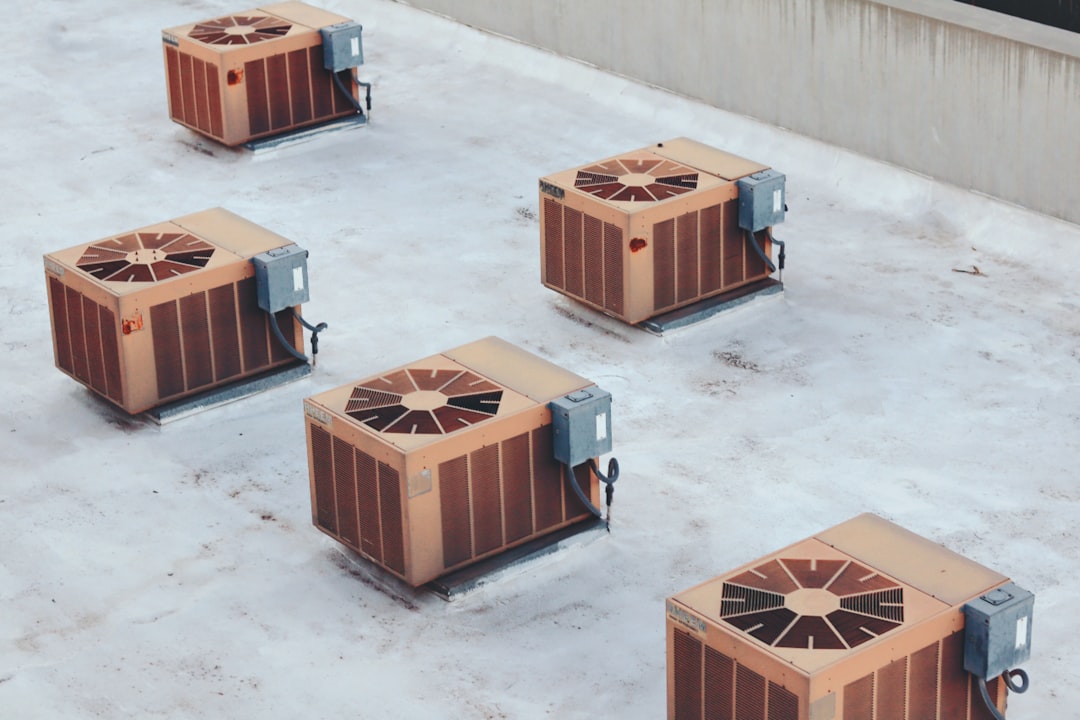

Reducing cooling costs in extreme heat is one of the biggest concerns for homeowners across the Wichita metro every summer — and it's easy to see why. When temperatures push past 100°F for days at a stretch, your air conditioner runs almost nonstop, your energy bill climbs fast, and the strain on your system peaks at exactly the wrong moment.
Kansas summers aren't just hot — they're humid. That combination forces your AC to work harder than temperature alone would suggest, removing moisture from the air while also trying to keep your home cool. The result: higher bills, more wear on your equipment, and real safety risks for vulnerable family members.
The good news is that a handful of practical steps — most of them free or low-cost — can make a significant difference. Here's a quick summary before we dive in:
Top ways to reduce cooling costs during extreme heat:
These steps work together. Each one reduces how hard your system has to work — and that directly lowers what you pay. The sections below walk through each strategy in detail, from no-cost daily habits to longer-term upgrades that pay off for years.
Reducing cooling costs in extreme heat terms made easy:
Many homeowners believe that the best way to handle a scorching Kansas heatwave is to crank the thermostat down to 65°F the moment they walk through the door. However, air conditioners do not work like a car accelerator; they do not cool your home any faster by being set to a lower temperature. They simply run at the same speed for a much longer, energy-draining period.
According to the U.S. Department of Energy, the most effective baseline temperature for summer comfort and savings is 78°F when you are at home and active. While 78°F might sound warm at first, the physics of heat transfer explain why this setting is so powerful for reducing cooling costs in extreme heat.
Heat naturally flows from warmer spaces to cooler spaces. The larger the temperature difference between the blazing outdoors and your indoor air, the faster heat will seep through your walls, windows, and roof. By keeping your indoor temperature at 78°F instead of 72°F, you slow down this heat transfer. This single adjustment can reduce your summer cooling costs by as much as 18%.
The Department of Energy estimates that most households can save around 3% on their cooling bills for every single degree the thermostat is moved up. If you are struggling to adjust to a higher setting, we recommend raising the temperature gradually by just one degree every few days. This allows your body to acclimate without a sudden shock to your comfort.
Another critical strategy is utilizing temperature setbacks when you are away from home or asleep. Setting your thermostat 7 to 10 degrees higher than your normal setting for eight hours a day can lower your electric bill by up to 10% a year. If you plan to be out of your house for the day, raising the thermostat to 85°F ensures your AC isn't wasting energy cooling an empty home, while still preventing the indoor climate from becoming dangerously hot for pets or electronics.
To make these adjustments effortless, we highly recommend upgrading your control system. If you want to understand how modern controls can transform your energy bills, read our article: Is Upgrading to a Smart Thermostat Worth It?.
A smart thermostat is one of the most valuable tools for managing your energy consumption during extreme weather events. Unlike traditional manual thermostats, which require you to remember to adjust the temperature every time you leave, smart models automate the process based on your actual lifestyle.
By programming your smart thermostat to align with your occupancy schedule, you ensure that your system only works hard when you are actually there to enjoy it. Many modern smart thermostats use geofencing technology, which senses when your smartphone leaves a specific radius around your home and automatically initiates an energy-saving setback. As you head back toward your house, the system begins cooling the rooms so they are perfectly comfortable by the time you walk through the door.
Smart thermostats also help you navigate peak demand hours. Many utility companies in Central Kansas charge higher rates during peak afternoon and early evening hours when grid strain is highest. With a smart thermostat, you can "pre-cool" your home during the morning hours when electricity rates are lower and outdoor temperatures are milder. When peak hours arrive, you can allow the thermostat to drift up a few degrees, relying on the pre-cooled air to keep you comfortable while avoiding high-rate energy usage.
For a deeper dive into behavioral changes and smart settings that make a real difference in our local climate, check out our guide on How to Lower AC Bills During Hot Kansas Summers.
While upgrading your HVAC equipment is highly effective, you do not have to spend a fortune to see immediate relief on your utility bills. In fact, some of the most impactful strategies for reducing cooling costs in extreme heat involve simple daily habits and minor home adjustments that cost little to nothing.
First, let's look at window management. Windows are responsible for up to 30% of a home's cooling energy consumption due to solar heat gain. When direct sunlight streams through a window, it creates a greenhouse effect, rapidly raising the indoor temperature and forcing your AC to run continuously.
To combat this, keep your curtains, blinds, or shades completely closed during the day, especially on south- and west-facing windows. Highly reflective blinds can reduce heat gain by around 45% when completely closed on a sunny window. For even greater protection, consider hanging light-colored or reflective window treatments close to the glass panes to bounce the sun's rays back outside before they can warm your rooms.
Next, we must address "phantom loads" and internal heat sources. Many electronics and appliances generate heat even when they are turned off but still plugged into the wall. Unplugging unused chargers, television consoles, and small kitchen appliances can reduce this ambient heat.
Additionally, avoid using heat-generating appliances during peak daytime hours. Running your oven, clothes dryer, or dishwasher can raise your indoor temperature by several degrees. Instead, shift these chores to the cooler early morning or late evening hours. When cooking during the day, opt for a microwave, toaster oven, air fryer, or outdoor grill to keep the heat out of your kitchen.
Here is a checklist of simple, daily energy-saving habits you can start using today:
Ceiling fans are incredibly effective tools for boosting comfort, but it is vital to understand how they work. Fans do not actually lower the temperature of a room; instead, they cool people by creating a wind-chill effect. As air moves over your skin, it accelerates the evaporation of moisture, making you feel up to 4 degrees cooler than the actual thermostat setting.
Because fans cool people and not spaces, leaving a ceiling fan running in an empty room is a waste of electricity. Always turn fans off when you leave a room.
To get the most out of your ceiling fans during a Kansas summer, verify that they are rotating in the correct direction. In the summer, your fan blades should rotate counterclockwise. This direction creates a direct, downward breeze that pushes cool air down to your living space.
By running your ceiling fan counterclockwise in an occupied room, you can comfortably raise your thermostat setting by 4 degrees with minimal impact on your comfort. This simple trick allows you to save significantly on your energy bills while staying perfectly cool.
An air conditioner is a major mechanical system that requires regular attention to perform its best, especially when summer temperatures soar. Neglecting basic maintenance forces your system to work much harder to cool your home, leading to higher bills and premature component failures.
The single most important maintenance task for any homeowner is regularly replacing or cleaning the air filter. Dust, pet dander, and airborne debris accumulate on the filter over time, restricting airflow. When airflow is blocked, your system must run longer and consume more power to distribute cool air.
Cleaning or replacing dirty AC filters can lower your air conditioner's energy consumption by 5% to 15%. During the peak of summer, when your system is running almost constantly, we recommend checking your filter every 30 days. If you have pets or live in a dusty area, you may need to replace it even more frequently.
Beyond the air filter, your system's outdoor condenser unit needs physical breathing room to release heat effectively. Ensure there is at least two feet of clear space around your outdoor unit. Clear away tall grass, weeds, fallen leaves, and debris, and gently rinse the condenser coils with a garden hose to remove accumulated dirt and pollen.
To ensure your system is fully prepared to handle the extreme summer heat, professional preventative maintenance is essential. Learn how to get your system ready by reading our guide on Spring AC Preparation for Kansas Summer.
Even with diligent homeowner maintenance, the intense heatwaves we experience in Central Kansas can push aging cooling systems to their absolute limits. Recognizing the early warning signs of system strain can help you schedule a professional repair before your system suffers a complete breakdown on a 100-degree afternoon.
Keep an eye out for these common warning signs of an overworked or failing AC:
If you notice any of these signs in your Wichita, Derby, Andover, or Haysville home, it is time to call in the professionals. Ignoring these symptoms will only lead to higher energy bills, poor indoor comfort, and eventually, a much more expensive repair.
While behavioral changes and routine maintenance are excellent for immediate savings, the most dramatic reductions in cooling costs come from long-term home efficiency upgrades. If your air conditioner is more than 10 to 12 years old, it may be time to consider upgrading to a modern, high-efficiency system.
In recent years, HVAC technology has advanced significantly, driven by updated SEER2 (Seasonal Energy Efficiency Ratio) standards. Modern systems require far less electricity to deliver the same amount of cooling as older models. If you are curious about the direct financial impact of upgrading your equipment, read our detailed articles: How High-Efficiency Systems Reduce Summer Costs and How Much Does a High-Efficiency System Save.
In addition to upgrading your cooling unit, addressing your home's envelope is crucial. Even the most efficient AC will struggle if your home is constantly losing cool air to the outside.
Duct sealing is one of the most overlooked upgrades. Typical duct systems lose 20% to 30% of their conditioned air through leaks, gaps, and poor connections, resulting in hundreds of dollars of wasted energy every year. Professionally sealing your ductwork ensures that the air you pay to cool actually reaches your living spaces.
Similarly, upgrading your attic insulation and sealing air leaks around doors and windows prevents hot outdoor air from infiltrating your home, reducing your AC's workload by 15% to 20%.
When it is time to replace your old air conditioner, modern heat pumps and ductless mini-split systems offer incredible efficiency benefits. Unlike standard AC units that turn completely on or off, high-efficiency heat pumps utilize inverter-driven, variable-speed compressors. These systems operate like a dimmer switch, continuously adjusting their speed to match your home's exact cooling needs. This eliminates the energy spikes associated with frequent on/off cycles.
In fact, heat pumps have been shown to use 18.6%, 15.5%, and 3.7% less energy than high-capacity standard AC units during extreme heat events. They also serve a double duty: providing highly efficient cooling in the summer and incredibly efficient heating in the winter.
Ductless mini-splits take this efficiency a step further by eliminating ductwork entirely, completely bypassing the 20% to 30% energy loss associated with traditional ducts. They also offer zoning capabilities, allowing you to cool only the rooms you are currently using rather than wasting energy cooling your entire home.
To help you compare your options, here is a breakdown of how traditional central AC compares to ductless mini-split systems:
| Feature | Traditional Central AC | Ductless Mini-Split |
|---|---|---|
| Ductwork Required | Yes | No |
| Energy Loss from Ducts | 20% to 30% typical loss | 0% loss |
| Zoning Capabilities | Limited (requires complex dampers) | High (independent room control) |
| SEER2 Efficiency Ratings | Typically 14 to 21 | Often 18 to 30+ |
| Installation Flexibility | Best for homes with existing good ducts | Best for additions, older homes, or targeted zones |
| Federal Incentives (2026) | Up to $600 tax credit | Up to $2,000 tax credit (heat pump models) |
For the best balance of comfort and energy savings, the U.S. Department of Energy recommends setting your thermostat to 78°F when you are home and active. You can save roughly 3% on your cooling bill for every degree you raise your thermostat. If 78°F feels too warm, try using ceiling fans to create a cooling breeze, or raise the temperature gradually over several days to allow your body to adjust.
No, ceiling fans do not lower the actual room temperature. They cool people by moving air across your skin to create a wind-chill effect, accelerating the evaporation of sweat. Because fans cool people and not rooms, leaving a fan running in an empty room is a waste of electricity. Always turn off your fans when you leave the room to maximize your savings.
During the peak of summer, you should check your air filter every 30 days. If the filter is dirty or clogged, replace it immediately. A clean air filter can improve your HVAC system's energy efficiency by up to 15%, while also preventing restricted airflow that can lead to frozen coils and system breakdowns.
Reducing cooling costs in extreme heat doesn't have to mean sacrificing your comfort. By combining smart thermostat adjustments, proactive daily habits, and consistent system maintenance, you can keep your home cool and safe while keeping your energy bills under control.
At MJB Heating & Cooling, we have been helping our neighbors throughout the Wichita metro area stay comfortable since 1984. As a family-owned business founded in Derby, KS, we pride ourselves on our honest approach, quality workmanship, and dependable service. Whether you need a quick system tune-up, a professional repair, or a high-efficiency system upgrade, our licensed technicians are here to help.
Don't let the summer heat take a toll on your wallet. Contact us today to schedule your professional system service and keep your home running at peak efficiency all summer long: https://www.mjbhvac.com/service.
Reducing cooling costs in extreme heat is one of the biggest concerns for homeowners across the Wichita metro every summer — and it's easy to see why. When temperatures push past 100°F for days at a stretch, your air conditioner runs almost nonstop, your energy bill climbs fast, and the strain on your system peaks at exactly the wrong moment.
Kansas summers aren't just hot — they're humid. That combination forces your AC to work harder than temperature alone would suggest, removing moisture from the air while also trying to keep your home cool. The result: higher bills, more wear on your equipment, and real safety risks for vulnerable family members.
The good news is that a handful of practical steps — most of them free or low-cost — can make a significant difference. Here's a quick summary before we dive in:
Top ways to reduce cooling costs during extreme heat:
These steps work together. Each one reduces how hard your system has to work — and that directly lowers what you pay. The sections below walk through each strategy in detail, from no-cost daily habits to longer-term upgrades that pay off for years.
Reducing cooling costs in extreme heat terms made easy:
Many homeowners believe that the best way to handle a scorching Kansas heatwave is to crank the thermostat down to 65°F the moment they walk through the door. However, air conditioners do not work like a car accelerator; they do not cool your home any faster by being set to a lower temperature. They simply run at the same speed for a much longer, energy-draining period.
According to the U.S. Department of Energy, the most effective baseline temperature for summer comfort and savings is 78°F when you are at home and active. While 78°F might sound warm at first, the physics of heat transfer explain why this setting is so powerful for reducing cooling costs in extreme heat.
Heat naturally flows from warmer spaces to cooler spaces. The larger the temperature difference between the blazing outdoors and your indoor air, the faster heat will seep through your walls, windows, and roof. By keeping your indoor temperature at 78°F instead of 72°F, you slow down this heat transfer. This single adjustment can reduce your summer cooling costs by as much as 18%.
The Department of Energy estimates that most households can save around 3% on their cooling bills for every single degree the thermostat is moved up. If you are struggling to adjust to a higher setting, we recommend raising the temperature gradually by just one degree every few days. This allows your body to acclimate without a sudden shock to your comfort.
Another critical strategy is utilizing temperature setbacks when you are away from home or asleep. Setting your thermostat 7 to 10 degrees higher than your normal setting for eight hours a day can lower your electric bill by up to 10% a year. If you plan to be out of your house for the day, raising the thermostat to 85°F ensures your AC isn't wasting energy cooling an empty home, while still preventing the indoor climate from becoming dangerously hot for pets or electronics.
To make these adjustments effortless, we highly recommend upgrading your control system. If you want to understand how modern controls can transform your energy bills, read our article: Is Upgrading to a Smart Thermostat Worth It?.
A smart thermostat is one of the most valuable tools for managing your energy consumption during extreme weather events. Unlike traditional manual thermostats, which require you to remember to adjust the temperature every time you leave, smart models automate the process based on your actual lifestyle.
By programming your smart thermostat to align with your occupancy schedule, you ensure that your system only works hard when you are actually there to enjoy it. Many modern smart thermostats use geofencing technology, which senses when your smartphone leaves a specific radius around your home and automatically initiates an energy-saving setback. As you head back toward your house, the system begins cooling the rooms so they are perfectly comfortable by the time you walk through the door.
Smart thermostats also help you navigate peak demand hours. Many utility companies in Central Kansas charge higher rates during peak afternoon and early evening hours when grid strain is highest. With a smart thermostat, you can "pre-cool" your home during the morning hours when electricity rates are lower and outdoor temperatures are milder. When peak hours arrive, you can allow the thermostat to drift up a few degrees, relying on the pre-cooled air to keep you comfortable while avoiding high-rate energy usage.
For a deeper dive into behavioral changes and smart settings that make a real difference in our local climate, check out our guide on How to Lower AC Bills During Hot Kansas Summers.
While upgrading your HVAC equipment is highly effective, you do not have to spend a fortune to see immediate relief on your utility bills. In fact, some of the most impactful strategies for reducing cooling costs in extreme heat involve simple daily habits and minor home adjustments that cost little to nothing.
First, let's look at window management. Windows are responsible for up to 30% of a home's cooling energy consumption due to solar heat gain. When direct sunlight streams through a window, it creates a greenhouse effect, rapidly raising the indoor temperature and forcing your AC to run continuously.
To combat this, keep your curtains, blinds, or shades completely closed during the day, especially on south- and west-facing windows. Highly reflective blinds can reduce heat gain by around 45% when completely closed on a sunny window. For even greater protection, consider hanging light-colored or reflective window treatments close to the glass panes to bounce the sun's rays back outside before they can warm your rooms.
Next, we must address "phantom loads" and internal heat sources. Many electronics and appliances generate heat even when they are turned off but still plugged into the wall. Unplugging unused chargers, television consoles, and small kitchen appliances can reduce this ambient heat.
Additionally, avoid using heat-generating appliances during peak daytime hours. Running your oven, clothes dryer, or dishwasher can raise your indoor temperature by several degrees. Instead, shift these chores to the cooler early morning or late evening hours. When cooking during the day, opt for a microwave, toaster oven, air fryer, or outdoor grill to keep the heat out of your kitchen.
Here is a checklist of simple, daily energy-saving habits you can start using today:
Ceiling fans are incredibly effective tools for boosting comfort, but it is vital to understand how they work. Fans do not actually lower the temperature of a room; instead, they cool people by creating a wind-chill effect. As air moves over your skin, it accelerates the evaporation of moisture, making you feel up to 4 degrees cooler than the actual thermostat setting.
Because fans cool people and not spaces, leaving a ceiling fan running in an empty room is a waste of electricity. Always turn fans off when you leave a room.
To get the most out of your ceiling fans during a Kansas summer, verify that they are rotating in the correct direction. In the summer, your fan blades should rotate counterclockwise. This direction creates a direct, downward breeze that pushes cool air down to your living space.
By running your ceiling fan counterclockwise in an occupied room, you can comfortably raise your thermostat setting by 4 degrees with minimal impact on your comfort. This simple trick allows you to save significantly on your energy bills while staying perfectly cool.
An air conditioner is a major mechanical system that requires regular attention to perform its best, especially when summer temperatures soar. Neglecting basic maintenance forces your system to work much harder to cool your home, leading to higher bills and premature component failures.
The single most important maintenance task for any homeowner is regularly replacing or cleaning the air filter. Dust, pet dander, and airborne debris accumulate on the filter over time, restricting airflow. When airflow is blocked, your system must run longer and consume more power to distribute cool air.
Cleaning or replacing dirty AC filters can lower your air conditioner's energy consumption by 5% to 15%. During the peak of summer, when your system is running almost constantly, we recommend checking your filter every 30 days. If you have pets or live in a dusty area, you may need to replace it even more frequently.
Beyond the air filter, your system's outdoor condenser unit needs physical breathing room to release heat effectively. Ensure there is at least two feet of clear space around your outdoor unit. Clear away tall grass, weeds, fallen leaves, and debris, and gently rinse the condenser coils with a garden hose to remove accumulated dirt and pollen.
To ensure your system is fully prepared to handle the extreme summer heat, professional preventative maintenance is essential. Learn how to get your system ready by reading our guide on Spring AC Preparation for Kansas Summer.
Even with diligent homeowner maintenance, the intense heatwaves we experience in Central Kansas can push aging cooling systems to their absolute limits. Recognizing the early warning signs of system strain can help you schedule a professional repair before your system suffers a complete breakdown on a 100-degree afternoon.
Keep an eye out for these common warning signs of an overworked or failing AC:
If you notice any of these signs in your Wichita, Derby, Andover, or Haysville home, it is time to call in the professionals. Ignoring these symptoms will only lead to higher energy bills, poor indoor comfort, and eventually, a much more expensive repair.
While behavioral changes and routine maintenance are excellent for immediate savings, the most dramatic reductions in cooling costs come from long-term home efficiency upgrades. If your air conditioner is more than 10 to 12 years old, it may be time to consider upgrading to a modern, high-efficiency system.
In recent years, HVAC technology has advanced significantly, driven by updated SEER2 (Seasonal Energy Efficiency Ratio) standards. Modern systems require far less electricity to deliver the same amount of cooling as older models. If you are curious about the direct financial impact of upgrading your equipment, read our detailed articles: How High-Efficiency Systems Reduce Summer Costs and How Much Does a High-Efficiency System Save.
In addition to upgrading your cooling unit, addressing your home's envelope is crucial. Even the most efficient AC will struggle if your home is constantly losing cool air to the outside.
Duct sealing is one of the most overlooked upgrades. Typical duct systems lose 20% to 30% of their conditioned air through leaks, gaps, and poor connections, resulting in hundreds of dollars of wasted energy every year. Professionally sealing your ductwork ensures that the air you pay to cool actually reaches your living spaces.
Similarly, upgrading your attic insulation and sealing air leaks around doors and windows prevents hot outdoor air from infiltrating your home, reducing your AC's workload by 15% to 20%.
When it is time to replace your old air conditioner, modern heat pumps and ductless mini-split systems offer incredible efficiency benefits. Unlike standard AC units that turn completely on or off, high-efficiency heat pumps utilize inverter-driven, variable-speed compressors. These systems operate like a dimmer switch, continuously adjusting their speed to match your home's exact cooling needs. This eliminates the energy spikes associated with frequent on/off cycles.
In fact, heat pumps have been shown to use 18.6%, 15.5%, and 3.7% less energy than high-capacity standard AC units during extreme heat events. They also serve a double duty: providing highly efficient cooling in the summer and incredibly efficient heating in the winter.
Ductless mini-splits take this efficiency a step further by eliminating ductwork entirely, completely bypassing the 20% to 30% energy loss associated with traditional ducts. They also offer zoning capabilities, allowing you to cool only the rooms you are currently using rather than wasting energy cooling your entire home.
To help you compare your options, here is a breakdown of how traditional central AC compares to ductless mini-split systems:
| Feature | Traditional Central AC | Ductless Mini-Split |
|---|---|---|
| Ductwork Required | Yes | No |
| Energy Loss from Ducts | 20% to 30% typical loss | 0% loss |
| Zoning Capabilities | Limited (requires complex dampers) | High (independent room control) |
| SEER2 Efficiency Ratings | Typically 14 to 21 | Often 18 to 30+ |
| Installation Flexibility | Best for homes with existing good ducts | Best for additions, older homes, or targeted zones |
| Federal Incentives (2026) | Up to $600 tax credit | Up to $2,000 tax credit (heat pump models) |
For the best balance of comfort and energy savings, the U.S. Department of Energy recommends setting your thermostat to 78°F when you are home and active. You can save roughly 3% on your cooling bill for every degree you raise your thermostat. If 78°F feels too warm, try using ceiling fans to create a cooling breeze, or raise the temperature gradually over several days to allow your body to adjust.
No, ceiling fans do not lower the actual room temperature. They cool people by moving air across your skin to create a wind-chill effect, accelerating the evaporation of sweat. Because fans cool people and not rooms, leaving a fan running in an empty room is a waste of electricity. Always turn off your fans when you leave the room to maximize your savings.
During the peak of summer, you should check your air filter every 30 days. If the filter is dirty or clogged, replace it immediately. A clean air filter can improve your HVAC system's energy efficiency by up to 15%, while also preventing restricted airflow that can lead to frozen coils and system breakdowns.
Reducing cooling costs in extreme heat doesn't have to mean sacrificing your comfort. By combining smart thermostat adjustments, proactive daily habits, and consistent system maintenance, you can keep your home cool and safe while keeping your energy bills under control.
At MJB Heating & Cooling, we have been helping our neighbors throughout the Wichita metro area stay comfortable since 1984. As a family-owned business founded in Derby, KS, we pride ourselves on our honest approach, quality workmanship, and dependable service. Whether you need a quick system tune-up, a professional repair, or a high-efficiency system upgrade, our licensed technicians are here to help.
Don't let the summer heat take a toll on your wallet. Contact us today to schedule your professional system service and keep your home running at peak efficiency all summer long: https://www.mjbhvac.com/service.


Our A/C stopped working on a Sunday and due to health issues, we needed to find a service company available on a Sunday. I called MJB and left a message on their emergency voice mail. Within 10 minutes Tom Buck called me to hear my description of the symptoms. He was just finishing an appointment in Wichita and would be on his way to my home on the south end of Derby. He arrived within 30 minutes! From start to finish he was the perfect example of what you could ever hope for in an HVAC tech and a human being. His evaluation of our system inside and out was as thorough as I could ever imagine and once he was done with the repair, our system is running as well or better than ever. Well worth the price for the evaluation, parts, and labor. Thank you again Tom for an awesome experience.
Our AC went out during the hottest days of the year, and they were out next day! We have been jerked around by a shoddy home warranty for years. We finally had a chance to pick our own repair people, and MJB came highly recommended. I can see why! I was impressed with the honesty and speed at which they fixed our AC unit!
Our commercial building had a lightening/electrical strike and damaged our 20 ton AC unit. No one could find us a new unit before the end of September. Imagining going all of August and September with no AC in Kansas and working inside near 100 degree temps is less than thrilling. Dale and the team at MJB called around and saved the day. They had us a new unit 5 weeks earlier than other could promise and I now have happy employees. The unit is amazingly quiet, super cold and so much more energy efficient. Thank you for being our super hero!
Came out and installed my new furnace. Was very polite and affordable. They are very acknowledgeable and I highly recommend!
Thank you very much. We had our 1st warm night in 3weeks. MJB took the time and effort to find the real problem. And the employees were kind and thoughtful and explained things very well. I cannot thank you and all of MJB. Will recommend you highly. Thanks again Marjorie Herman Oxford Kansas
We had a new system installed and I was so impressed with how quick they were in come out and install it, in the middle of a hot summer day. They were so friendly & very professional. I had a small problem with a weird sound and they came over immediately and fixed it. Love them!


