.avif)





Blogs
Stay updated with our latest blog posts.
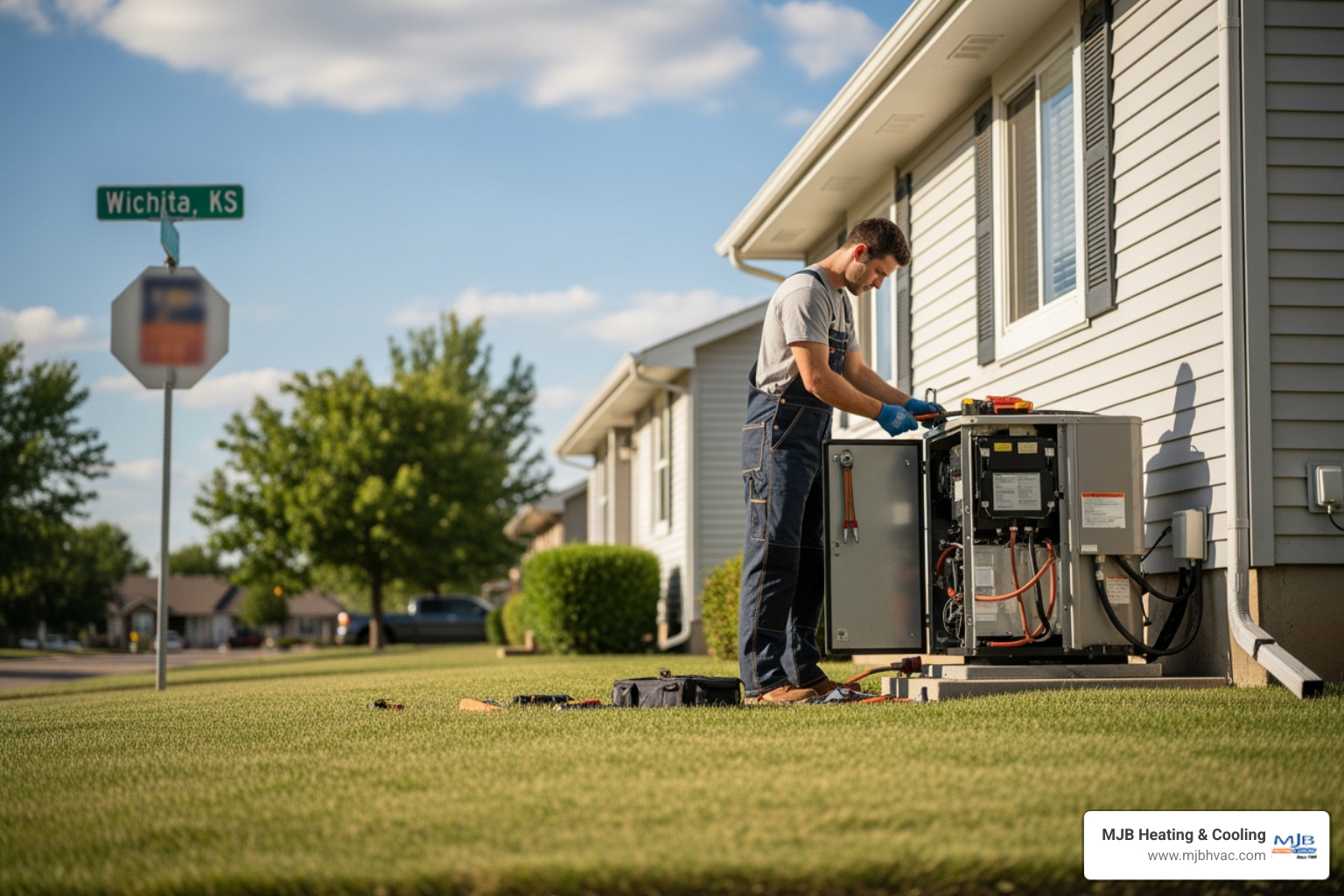
When your heat pump repair company in wichita, ks search leads you here, you're probably dealing with a system that's not heating or cooling properly—or maybe not working at all. Finding a reliable contractor quickly is essential to restoring comfort in your home, especially during Kansas's temperature extremes.
Top Heat Pump Repair Companies in Wichita to Consider:
Heat pumps are unique because they both heat and cool your home by moving heat rather than generating it. This makes them highly efficient—but when something goes wrong, you need a contractor who truly understands how these systems work. According to industry data, a well-maintained heat pump can last 15 to 20 years, but only if you catch problems early and work with qualified professionals.
For comprehensive guidance on maintaining your system year-round, check out our complete heat pump resource guide. When you're ready to schedule service, contact our Wichita team for fast, honest repairs.

Welcome to our extensive guide on heat pumps, designed specifically for homeowners in Wichita and the surrounding Kansas communities we serve. Heat pumps are truly marvels of modern HVAC technology, offering an innovative and energy-efficient way to keep your home comfortable throughout the year. Unlike traditional furnaces that burn fuel to create heat, or air conditioners that only cool, heat pumps operate on a fascinating principle of heat transfer.
Imagine a system that can simply move warmth from one place to another. That's precisely what a heat pump does! In cooler months, it extracts heat from the outdoor air (even when it feels cold outside!) and transfers it inside your home. When the Wichita summer heat kicks in, the process reverses, pulling excess heat from inside your home and releasing it outdoors. This dual-functionality provides year-round comfort, making heat pumps a popular choice for their versatility and ability to maintain consistent indoor temperatures.
The magic of a heat pump lies in its remarkable energy efficiency. Because it's moving existing heat rather than generating it from scratch, it consumes significantly less energy. This translates into potential savings on your monthly utility bills, making them an eco-friendly and budget-conscious option for heating and cooling. We understand that understanding the intricacies of your home's comfort system can feel complex, but we're here to break it down into simple, understandable terms.
Even the most robust heat pump systems need a little TLC from time to time. Spotting the early warning signs that your heat pump needs attention can save you from bigger headaches and more extensive repairs down the line. As your trusted heat pump repair company in wichita, ks, we’ve seen it all, and we’re here to help you recognize when it’s time to call in the experts.
One of the most obvious indicators is inadequate heating or cooling. If your heat pump isn’t keeping your home as warm in winter or as cool in summer as it used to, something is definitely amiss. Perhaps you've noticed that your heat pump is blowing warm air in summer, which is a clear sign that its cooling function isn't performing as it should.
Strange noises are another common red flag. While heat pumps typically make some operational sounds, any new or unusual noises—such as hissing, bubbling (which can indicate a refrigerant leak), banging, clanking, rattling, or a persistent buzzing or clicking—should prompt an investigation. These sounds often point to mechanical issues that require professional diagnosis.
Short cycling is when your heat pump turns on and off too frequently without completing a full heating or cooling cycle. This not only puts undue stress on the system's components but also significantly reduces its efficiency. If you're experiencing this, our blog post on solutions for heat pump short cycling problems offers valuable insights. Conversely, a heat pump that is running constantly can also signal a problem. While it might seem like it’s working hard, continuous operation without reaching the desired temperature could indicate an underlying issue, leading to wasted energy. You can learn more about this in our guide on how to troubleshoot heat pump running constantly.
A visual sign that demands immediate attention is ice on the unit, particularly on the outdoor coil during winter operation. While a light frost that quickly melts during a defrost cycle is normal, excessive or persistent ice buildup is not. This often points to issues like low refrigerant, restricted airflow, or a malfunctioning defrost system. If your heat pump freezes up in Haysville, it’s crucial to have it checked to prevent further damage.
Finally, increased energy bills without a corresponding change in usage patterns can be a silent but strong indicator that your heat pump is struggling. When a system loses efficiency, it has to work harder to achieve the same results, consuming more energy in the process. If you notice your heat pump with declining efficiency in Andover, it's a sign that it might be time for a professional tune-up or repair. Don't let these signs linger; addressing them promptly can help extend the life of your system and keep your home comfortable and efficient.
Heat pumps come in various types, each designed to harness thermal energy in different ways. Understanding these systems, especially in the context of the Wichita climate, is key to appreciating their efficiency and knowing when they might need a little help.
The most common type we encounter is the air-source heat pump. These systems work by extracting heat from the outdoor air during winter and releasing it indoors, or vice versa during summer. They are highly efficient for both heating and cooling in moderate climates. However, Kansas winters can sometimes be quite "bitterly cold," and while modern air-source heat pumps are designed to operate efficiently even in freezing temperatures, their efficiency can decrease as temperatures drop significantly below freezing. For temperatures around 30-40°F, they are typically very effective, but below that, they might need a bit of assistance.
For those looking for ultimate efficiency, geothermal systems are an incredible option. These heat pumps don't rely on air temperature; instead, they tap into the stable temperatures of the earth itself. About six feet below the surface, the ground maintains a relatively constant temperature year-round, which is warmer than the air in winter and cooler than the air in summer. Geothermal systems exchange heat with this underground loop, providing exceptionally efficient heating and cooling. While the installation can be more complex, the long-term energy savings are substantial.
Another versatile option is ductless mini-splits. These are ideal for homes without existing ductwork or for additions and zoned areas where you want precise temperature control. A mini-split heat pump consists of an outdoor compressor/condenser and one or more indoor air-handling units, connected by a conduit rather than extensive ductwork. They offer flexibility and energy efficiency for specific rooms or areas.
Given the range of temperatures we experience in Kansas, from hot summers to often cold winters, the performance in Kansas winters is a crucial consideration for heat pump owners. During periods of extreme cold, an air-source heat pump might struggle to extract enough heat from the frigid air to adequately warm your home. This is where supplemental heat comes into play. Many heat pump systems are designed to automatically engage electric resistance heating coils (often called "auxiliary heat" or "emergency heat") when the outdoor temperature drops below a certain point, ensuring your home stays warm.
However, a more efficient solution for colder climates is a dual-fuel system. This innovative setup combines an electric heat pump with a traditional gas furnace. The heat pump handles the majority of the heating and cooling needs, running most efficiently when temperatures are moderate. When the outdoor temperature drops below the heat pump's optimal operating range (typically around 30-40°F), the system intelligently switches over to the gas furnace, which is more cost-effective for generating heat in very cold conditions. This combination provides the best of both worlds: the energy efficiency of a heat pump for most of the year and the powerful, reliable heat of a furnace for those truly "bitterly cold" Kansas days.
Understanding the lifecycle of your heat pump and making informed decisions about its care can significantly impact your home's comfort and your wallet. As your dedicated heat pump repair company in wichita, ks, we're here to guide you through maintenance, repair, and when it might be time to consider a replacement.
A well-maintained heat pump typically boasts an average lifespan of 15 to 20 years. This impressive longevity, however, is not a given; it's a testament to consistent care and timely attention to minor issues. Just like any other essential appliance in your home, your heat pump performs best when it's regularly looked after.
There are several DIY maintenance tips you can follow to keep your system running smoothly between professional visits. The most important and easiest task is changing air filters regularly. We recommend checking your filters monthly and replacing them at least every three months, or more frequently if you have pets or allergies. A clean filter ensures proper airflow, which is vital for both efficiency and indoor air quality. Another helpful tip is to keep the outdoor unit clear of debris and to gently clean the outdoor coils when they appear dirty. Always ensure the power to the unit is off before attempting any cleaning. Also, make sure your supply and return registers are clean and their fins aren't bent, as this ensures proper air distribution.
While DIY efforts are helpful, they don't replace professional care. Professional maintenance frequency should be at least once a year, ideally twice (once before the heating season and once before the cooling season). During these annual tune-ups, our technicians perform a comprehensive check-up. This includes inspecting electrical connections, checking refrigerant levels, cleaning coils, lubricating moving parts, and testing all safety systems. This preventative approach can catch small issues before they escalate into major breakdowns, improve efficiency, and prolong your heat pump's life.
Deciding between repair vs. replace factors can be tough, but we can help you weigh your options. A primary factor is system age. If your heat pump is approaching or has exceeded its 15-20 year lifespan, replacement often becomes the more cost-effective choice. Older units tend to be less efficient and more prone to breakdowns, leading to higher energy bills and frequent repair calls.
Another consideration is repair frequency. If you find yourself calling for repairs multiple times a year, the cumulative cost of these fixes might soon outweigh the cost of a new, more efficient system. Additionally, if a major component like the compressor fails, and your unit is old, replacement is often recommended. A new heat pump offers improved energy efficiency, quieter operation, better indoor air quality, and the peace of mind that comes with a new warranty. Sometimes, issues like uneven heating throughout your home in Wichita can also be a sign that your old system is struggling to perform adequately and might benefit from a modern replacement. We believe in an honest business approach, aiming to fix your system whenever it's the most cost-effective solution, but we'll also be transparent if replacement makes more sense for your long-term comfort and budget.
When your heat pump acts up, finding the right heat pump repair company in wichita, ks is paramount. You want a team you can trust, one that understands the unique needs of Wichita homes and is committed to restoring your comfort quickly and efficiently. Here’s what we believe makes a top-tier service provider.
First and foremost, look for a company with significant years of experience. We've been providing residential and commercial HVAC services in the Wichita metro area since 1984, starting in Derby, KS. This kind of longevity means we've seen countless heat pump issues and understand the specific challenges posed by our local climate. A local and family-owned business often brings a deeper commitment to the community and a more personal touch to their service. They rely on their reputation and customer satisfaction to thrive, fostering a relationship built on trust.
Certifications are also key indicators of expertise. Ensure the technicians are NATE-certified. NATE (North American Technician Excellence) certification means technicians have passed rigorous industry-recognized tests, demonstrating their comprehensive knowledge of HVAC systems, including heat pumps. This ensures they are up-to-date with the latest technologies and best practices.
HVAC emergencies don't stick to business hours, which is why 24/7 emergency services are non-negotiable. Whether it's a breakdown in the middle of a sweltering summer night or a frigid winter morning, you need a company that can respond promptly. We offer emergency services because we know that comfort can't wait. For example, if you need emergency HVAC repair in Derby, KS, you can count on us to be there.
Always check for positive customer reviews and a strong local reputation. What are other homeowners saying about their experience? Look for consistent feedback praising professionalism, expertise, communication, and reliability. This collective insight is invaluable in making your decision. Finally, confirm their service area coverage. A reputable company should clearly define the areas they serve. We are proud to serve Wichita and many surrounding communities, ensuring we can get to you when you need us. Check our full list of service areas to see if we cover your location. We also stand by our work with a satisfaction guarantee, giving you peace of mind that the job will be done right.
When you're actively searching for a qualified heat pump repair company in wichita, ks, we recommend a systematic approach. First, look for experience that is directly relevant to heat pumps. A company that specializes in or has extensive experience with heat pump systems is more likely to diagnose and fix issues accurately and efficiently.
Next, check for certifications. As mentioned, NATE certification is a gold standard in the HVAC industry. Technicians who hold this certification have demonstrated a high level of competency and are committed to ongoing training. This ensures they are equipped to handle the complexities of modern heat pump technology.
Don't underestimate the power of public opinion; read online reviews. Websites like Google, BBB, and other local review platforms can provide candid feedback from past customers. Look for patterns in reviews – positive comments about professionalism, responsiveness, and problem-solving skills are good indicators.
Finally, confirm emergency availability. A reliable heat pump repair company in wichita, ks should explicitly offer 24/7 emergency services. This is crucial for unexpected breakdowns that occur outside of regular business hours. For instance, if you're facing an urgent situation and need emergency HVAC repair in Andover, KS, knowing a company offers immediate assistance can be a huge relief.
Once you've identified a potential heat pump repair company in wichita, ks, what should your expectations be? A top-tier provider distinguishes itself through several key qualities. You should expect thorough diagnostics. This means technicians won't just guess at the problem; they will use their expertise and specialized tools to accurately pinpoint the root cause of the issue.
Clear communication is essential. A reputable company will explain what's wrong with your heat pump in terms you can understand, avoiding overly technical jargon. They should provide upfront information about the recommended repairs and any available options. While we can't discuss specific pricing, you should always expect transparency regarding the scope of work.
Quality workmanship is our promise. We pride ourselves on the high standards of our repairs and installations, ensuring that every job is completed with integrity and precision. This commitment to excellence means your heat pump will be fixed correctly the first time, providing lasting comfort.
Finally, a top-tier company will offer comprehensive service for surrounding areas. We understand that comfort needs extend beyond the city limits. Whether you need heat pump repair in Derby, KS or heat pump repair in Andover, KS, our reach ensures that our expert services are available to a wide range of homeowners in our community.
We often hear similar questions from homeowners about their heat pump systems. As your knowledgeable heat pump repair company in wichita, ks, we're happy to provide clear, simple answers to some of the most common inquiries.
Yes, absolutely! Investing in an energy-efficient heat pump can often qualify you for various financial incentives. The federal government frequently offers federal tax credits for installing qualifying energy-efficient home improvements, including new heat pumps. These credits are designed to encourage homeowners to choose greener, more efficient heating and cooling solutions.
The Energy Star program is a great resource to identify heat pump models that meet strict energy efficiency guidelines. Products with the Energy Star label are typically eligible for these incentives. Furthermore, the Inflation Reduction Act has introduced significant tax credits and rebates for energy-efficient home upgrades, including heat pump installations, making it an excellent time to consider an upgrade.
Beyond federal programs, it's always a good idea to check with your local utility rebates. Many local energy providers offer their own incentives to customers who install high-efficiency heat pumps, as this helps reduce the overall energy demand on their grid. We highly recommend that homeowners actively check for current incentives as these programs can change. A quick search online or a call to your utility company can help you find what savings might be available in your area.
This is a common and frustrating problem, especially when you need heating or cooling the most. Before calling for professional help, there are a few things you can check:
If these basic checks don't resolve the issue, it's time to call in the experts. For more in-depth troubleshooting, our blog post "What to Do Heat Pump Won't Turn On" offers further guidance.
This is a fantastic question that gets to the core of what makes heat pumps so unique! The fundamental difference lies in their operational principle and versatility.
We've explored the incredible versatility and efficiency of heat pumps, from recognizing the subtle signs of trouble to understanding their unique operation and maintenance needs. The benefits of heat pumps are clear: year-round comfort, energy savings, and an environmentally friendlier approach to home climate control. However, to truly reap these rewards, the importance of professional service cannot be overstated.
Whether you're dealing with a strange noise, a sudden loss of heating or cooling, or simply want to ensure your system is running at its peak, choosing a reliable and experienced heat pump repair company in wichita, ks is your best bet. Our commitment to quality workmanship and an honest business approach means you can always trust us to provide the best solutions for your home.
We, MJB Heating & Cooling, are a family-owned HVAC service that originated in Derby, KS, and have been serving the Wichita metro area since 1984. Our decades of experience mean we understand the local climate and the unique needs of our community. We are dedicated to ensuring your home remains comfortable, efficient, and safe, no matter the season.
Don't let heat pump problems disrupt your comfort. For expert advice, reliable repairs, and comprehensive service, we're always here to help. Contact us for service in Wichita, KS today, and let us take care of your home comfort needs.
When your heat pump repair company in wichita, ks search leads you here, you're probably dealing with a system that's not heating or cooling properly—or maybe not working at all. Finding a reliable contractor quickly is essential to restoring comfort in your home, especially during Kansas's temperature extremes.
Top Heat Pump Repair Companies in Wichita to Consider:
Heat pumps are unique because they both heat and cool your home by moving heat rather than generating it. This makes them highly efficient—but when something goes wrong, you need a contractor who truly understands how these systems work. According to industry data, a well-maintained heat pump can last 15 to 20 years, but only if you catch problems early and work with qualified professionals.
For comprehensive guidance on maintaining your system year-round, check out our complete heat pump resource guide. When you're ready to schedule service, contact our Wichita team for fast, honest repairs.
Welcome to our extensive guide on heat pumps, designed specifically for homeowners in Wichita and the surrounding Kansas communities we serve. Heat pumps are truly marvels of modern HVAC technology, offering an innovative and energy-efficient way to keep your home comfortable throughout the year. Unlike traditional furnaces that burn fuel to create heat, or air conditioners that only cool, heat pumps operate on a fascinating principle of heat transfer.
Imagine a system that can simply move warmth from one place to another. That's precisely what a heat pump does! In cooler months, it extracts heat from the outdoor air (even when it feels cold outside!) and transfers it inside your home. When the Wichita summer heat kicks in, the process reverses, pulling excess heat from inside your home and releasing it outdoors. This dual-functionality provides year-round comfort, making heat pumps a popular choice for their versatility and ability to maintain consistent indoor temperatures.
The magic of a heat pump lies in its remarkable energy efficiency. Because it's moving existing heat rather than generating it from scratch, it consumes significantly less energy. This translates into potential savings on your monthly utility bills, making them an eco-friendly and budget-conscious option for heating and cooling. We understand that understanding the intricacies of your home's comfort system can feel complex, but we're here to break it down into simple, understandable terms.
Even the most robust heat pump systems need a little TLC from time to time. Spotting the early warning signs that your heat pump needs attention can save you from bigger headaches and more extensive repairs down the line. As your trusted heat pump repair company in wichita, ks, we’ve seen it all, and we’re here to help you recognize when it’s time to call in the experts.
One of the most obvious indicators is inadequate heating or cooling. If your heat pump isn’t keeping your home as warm in winter or as cool in summer as it used to, something is definitely amiss. Perhaps you've noticed that your heat pump is blowing warm air in summer, which is a clear sign that its cooling function isn't performing as it should.
Strange noises are another common red flag. While heat pumps typically make some operational sounds, any new or unusual noises—such as hissing, bubbling (which can indicate a refrigerant leak), banging, clanking, rattling, or a persistent buzzing or clicking—should prompt an investigation. These sounds often point to mechanical issues that require professional diagnosis.
Short cycling is when your heat pump turns on and off too frequently without completing a full heating or cooling cycle. This not only puts undue stress on the system's components but also significantly reduces its efficiency. If you're experiencing this, our blog post on solutions for heat pump short cycling problems offers valuable insights. Conversely, a heat pump that is running constantly can also signal a problem. While it might seem like it’s working hard, continuous operation without reaching the desired temperature could indicate an underlying issue, leading to wasted energy. You can learn more about this in our guide on how to troubleshoot heat pump running constantly.
A visual sign that demands immediate attention is ice on the unit, particularly on the outdoor coil during winter operation. While a light frost that quickly melts during a defrost cycle is normal, excessive or persistent ice buildup is not. This often points to issues like low refrigerant, restricted airflow, or a malfunctioning defrost system. If your heat pump freezes up in Haysville, it’s crucial to have it checked to prevent further damage.
Finally, increased energy bills without a corresponding change in usage patterns can be a silent but strong indicator that your heat pump is struggling. When a system loses efficiency, it has to work harder to achieve the same results, consuming more energy in the process. If you notice your heat pump with declining efficiency in Andover, it's a sign that it might be time for a professional tune-up or repair. Don't let these signs linger; addressing them promptly can help extend the life of your system and keep your home comfortable and efficient.
Heat pumps come in various types, each designed to harness thermal energy in different ways. Understanding these systems, especially in the context of the Wichita climate, is key to appreciating their efficiency and knowing when they might need a little help.
The most common type we encounter is the air-source heat pump. These systems work by extracting heat from the outdoor air during winter and releasing it indoors, or vice versa during summer. They are highly efficient for both heating and cooling in moderate climates. However, Kansas winters can sometimes be quite "bitterly cold," and while modern air-source heat pumps are designed to operate efficiently even in freezing temperatures, their efficiency can decrease as temperatures drop significantly below freezing. For temperatures around 30-40°F, they are typically very effective, but below that, they might need a bit of assistance.
For those looking for ultimate efficiency, geothermal systems are an incredible option. These heat pumps don't rely on air temperature; instead, they tap into the stable temperatures of the earth itself. About six feet below the surface, the ground maintains a relatively constant temperature year-round, which is warmer than the air in winter and cooler than the air in summer. Geothermal systems exchange heat with this underground loop, providing exceptionally efficient heating and cooling. While the installation can be more complex, the long-term energy savings are substantial.
Another versatile option is ductless mini-splits. These are ideal for homes without existing ductwork or for additions and zoned areas where you want precise temperature control. A mini-split heat pump consists of an outdoor compressor/condenser and one or more indoor air-handling units, connected by a conduit rather than extensive ductwork. They offer flexibility and energy efficiency for specific rooms or areas.
Given the range of temperatures we experience in Kansas, from hot summers to often cold winters, the performance in Kansas winters is a crucial consideration for heat pump owners. During periods of extreme cold, an air-source heat pump might struggle to extract enough heat from the frigid air to adequately warm your home. This is where supplemental heat comes into play. Many heat pump systems are designed to automatically engage electric resistance heating coils (often called "auxiliary heat" or "emergency heat") when the outdoor temperature drops below a certain point, ensuring your home stays warm.
However, a more efficient solution for colder climates is a dual-fuel system. This innovative setup combines an electric heat pump with a traditional gas furnace. The heat pump handles the majority of the heating and cooling needs, running most efficiently when temperatures are moderate. When the outdoor temperature drops below the heat pump's optimal operating range (typically around 30-40°F), the system intelligently switches over to the gas furnace, which is more cost-effective for generating heat in very cold conditions. This combination provides the best of both worlds: the energy efficiency of a heat pump for most of the year and the powerful, reliable heat of a furnace for those truly "bitterly cold" Kansas days.
Understanding the lifecycle of your heat pump and making informed decisions about its care can significantly impact your home's comfort and your wallet. As your dedicated heat pump repair company in wichita, ks, we're here to guide you through maintenance, repair, and when it might be time to consider a replacement.
A well-maintained heat pump typically boasts an average lifespan of 15 to 20 years. This impressive longevity, however, is not a given; it's a testament to consistent care and timely attention to minor issues. Just like any other essential appliance in your home, your heat pump performs best when it's regularly looked after.
There are several DIY maintenance tips you can follow to keep your system running smoothly between professional visits. The most important and easiest task is changing air filters regularly. We recommend checking your filters monthly and replacing them at least every three months, or more frequently if you have pets or allergies. A clean filter ensures proper airflow, which is vital for both efficiency and indoor air quality. Another helpful tip is to keep the outdoor unit clear of debris and to gently clean the outdoor coils when they appear dirty. Always ensure the power to the unit is off before attempting any cleaning. Also, make sure your supply and return registers are clean and their fins aren't bent, as this ensures proper air distribution.
While DIY efforts are helpful, they don't replace professional care. Professional maintenance frequency should be at least once a year, ideally twice (once before the heating season and once before the cooling season). During these annual tune-ups, our technicians perform a comprehensive check-up. This includes inspecting electrical connections, checking refrigerant levels, cleaning coils, lubricating moving parts, and testing all safety systems. This preventative approach can catch small issues before they escalate into major breakdowns, improve efficiency, and prolong your heat pump's life.
Deciding between repair vs. replace factors can be tough, but we can help you weigh your options. A primary factor is system age. If your heat pump is approaching or has exceeded its 15-20 year lifespan, replacement often becomes the more cost-effective choice. Older units tend to be less efficient and more prone to breakdowns, leading to higher energy bills and frequent repair calls.
Another consideration is repair frequency. If you find yourself calling for repairs multiple times a year, the cumulative cost of these fixes might soon outweigh the cost of a new, more efficient system. Additionally, if a major component like the compressor fails, and your unit is old, replacement is often recommended. A new heat pump offers improved energy efficiency, quieter operation, better indoor air quality, and the peace of mind that comes with a new warranty. Sometimes, issues like uneven heating throughout your home in Wichita can also be a sign that your old system is struggling to perform adequately and might benefit from a modern replacement. We believe in an honest business approach, aiming to fix your system whenever it's the most cost-effective solution, but we'll also be transparent if replacement makes more sense for your long-term comfort and budget.
When your heat pump acts up, finding the right heat pump repair company in wichita, ks is paramount. You want a team you can trust, one that understands the unique needs of Wichita homes and is committed to restoring your comfort quickly and efficiently. Here’s what we believe makes a top-tier service provider.
First and foremost, look for a company with significant years of experience. We've been providing residential and commercial HVAC services in the Wichita metro area since 1984, starting in Derby, KS. This kind of longevity means we've seen countless heat pump issues and understand the specific challenges posed by our local climate. A local and family-owned business often brings a deeper commitment to the community and a more personal touch to their service. They rely on their reputation and customer satisfaction to thrive, fostering a relationship built on trust.
Certifications are also key indicators of expertise. Ensure the technicians are NATE-certified. NATE (North American Technician Excellence) certification means technicians have passed rigorous industry-recognized tests, demonstrating their comprehensive knowledge of HVAC systems, including heat pumps. This ensures they are up-to-date with the latest technologies and best practices.
HVAC emergencies don't stick to business hours, which is why 24/7 emergency services are non-negotiable. Whether it's a breakdown in the middle of a sweltering summer night or a frigid winter morning, you need a company that can respond promptly. We offer emergency services because we know that comfort can't wait. For example, if you need emergency HVAC repair in Derby, KS, you can count on us to be there.
Always check for positive customer reviews and a strong local reputation. What are other homeowners saying about their experience? Look for consistent feedback praising professionalism, expertise, communication, and reliability. This collective insight is invaluable in making your decision. Finally, confirm their service area coverage. A reputable company should clearly define the areas they serve. We are proud to serve Wichita and many surrounding communities, ensuring we can get to you when you need us. Check our full list of service areas to see if we cover your location. We also stand by our work with a satisfaction guarantee, giving you peace of mind that the job will be done right.
When you're actively searching for a qualified heat pump repair company in wichita, ks, we recommend a systematic approach. First, look for experience that is directly relevant to heat pumps. A company that specializes in or has extensive experience with heat pump systems is more likely to diagnose and fix issues accurately and efficiently.
Next, check for certifications. As mentioned, NATE certification is a gold standard in the HVAC industry. Technicians who hold this certification have demonstrated a high level of competency and are committed to ongoing training. This ensures they are equipped to handle the complexities of modern heat pump technology.
Don't underestimate the power of public opinion; read online reviews. Websites like Google, BBB, and other local review platforms can provide candid feedback from past customers. Look for patterns in reviews – positive comments about professionalism, responsiveness, and problem-solving skills are good indicators.
Finally, confirm emergency availability. A reliable heat pump repair company in wichita, ks should explicitly offer 24/7 emergency services. This is crucial for unexpected breakdowns that occur outside of regular business hours. For instance, if you're facing an urgent situation and need emergency HVAC repair in Andover, KS, knowing a company offers immediate assistance can be a huge relief.
Once you've identified a potential heat pump repair company in wichita, ks, what should your expectations be? A top-tier provider distinguishes itself through several key qualities. You should expect thorough diagnostics. This means technicians won't just guess at the problem; they will use their expertise and specialized tools to accurately pinpoint the root cause of the issue.
Clear communication is essential. A reputable company will explain what's wrong with your heat pump in terms you can understand, avoiding overly technical jargon. They should provide upfront information about the recommended repairs and any available options. While we can't discuss specific pricing, you should always expect transparency regarding the scope of work.
Quality workmanship is our promise. We pride ourselves on the high standards of our repairs and installations, ensuring that every job is completed with integrity and precision. This commitment to excellence means your heat pump will be fixed correctly the first time, providing lasting comfort.
Finally, a top-tier company will offer comprehensive service for surrounding areas. We understand that comfort needs extend beyond the city limits. Whether you need heat pump repair in Derby, KS or heat pump repair in Andover, KS, our reach ensures that our expert services are available to a wide range of homeowners in our community.
We often hear similar questions from homeowners about their heat pump systems. As your knowledgeable heat pump repair company in wichita, ks, we're happy to provide clear, simple answers to some of the most common inquiries.
Yes, absolutely! Investing in an energy-efficient heat pump can often qualify you for various financial incentives. The federal government frequently offers federal tax credits for installing qualifying energy-efficient home improvements, including new heat pumps. These credits are designed to encourage homeowners to choose greener, more efficient heating and cooling solutions.
The Energy Star program is a great resource to identify heat pump models that meet strict energy efficiency guidelines. Products with the Energy Star label are typically eligible for these incentives. Furthermore, the Inflation Reduction Act has introduced significant tax credits and rebates for energy-efficient home upgrades, including heat pump installations, making it an excellent time to consider an upgrade.
Beyond federal programs, it's always a good idea to check with your local utility rebates. Many local energy providers offer their own incentives to customers who install high-efficiency heat pumps, as this helps reduce the overall energy demand on their grid. We highly recommend that homeowners actively check for current incentives as these programs can change. A quick search online or a call to your utility company can help you find what savings might be available in your area.
This is a common and frustrating problem, especially when you need heating or cooling the most. Before calling for professional help, there are a few things you can check:
If these basic checks don't resolve the issue, it's time to call in the experts. For more in-depth troubleshooting, our blog post "What to Do Heat Pump Won't Turn On" offers further guidance.
This is a fantastic question that gets to the core of what makes heat pumps so unique! The fundamental difference lies in their operational principle and versatility.
We've explored the incredible versatility and efficiency of heat pumps, from recognizing the subtle signs of trouble to understanding their unique operation and maintenance needs. The benefits of heat pumps are clear: year-round comfort, energy savings, and an environmentally friendlier approach to home climate control. However, to truly reap these rewards, the importance of professional service cannot be overstated.
Whether you're dealing with a strange noise, a sudden loss of heating or cooling, or simply want to ensure your system is running at its peak, choosing a reliable and experienced heat pump repair company in wichita, ks is your best bet. Our commitment to quality workmanship and an honest business approach means you can always trust us to provide the best solutions for your home.
We, MJB Heating & Cooling, are a family-owned HVAC service that originated in Derby, KS, and have been serving the Wichita metro area since 1984. Our decades of experience mean we understand the local climate and the unique needs of our community. We are dedicated to ensuring your home remains comfortable, efficient, and safe, no matter the season.
Don't let heat pump problems disrupt your comfort. For expert advice, reliable repairs, and comprehensive service, we're always here to help. Contact us for service in Wichita, KS today, and let us take care of your home comfort needs.
When your heat pump repair company in wichita, ks search leads you here, you're probably dealing with a system that's not heating or cooling properly—or maybe not working at all. Finding a reliable contractor quickly is essential to restoring comfort in your home, especially during Kansas's temperature extremes.
Top Heat Pump Repair Companies in Wichita to Consider:
Heat pumps are unique because they both heat and cool your home by moving heat rather than generating it. This makes them highly efficient—but when something goes wrong, you need a contractor who truly understands how these systems work. According to industry data, a well-maintained heat pump can last 15 to 20 years, but only if you catch problems early and work with qualified professionals.
For comprehensive guidance on maintaining your system year-round, check out our complete heat pump resource guide. When you're ready to schedule service, contact our Wichita team for fast, honest repairs.
Welcome to our extensive guide on heat pumps, designed specifically for homeowners in Wichita and the surrounding Kansas communities we serve. Heat pumps are truly marvels of modern HVAC technology, offering an innovative and energy-efficient way to keep your home comfortable throughout the year. Unlike traditional furnaces that burn fuel to create heat, or air conditioners that only cool, heat pumps operate on a fascinating principle of heat transfer.
Imagine a system that can simply move warmth from one place to another. That's precisely what a heat pump does! In cooler months, it extracts heat from the outdoor air (even when it feels cold outside!) and transfers it inside your home. When the Wichita summer heat kicks in, the process reverses, pulling excess heat from inside your home and releasing it outdoors. This dual-functionality provides year-round comfort, making heat pumps a popular choice for their versatility and ability to maintain consistent indoor temperatures.
The magic of a heat pump lies in its remarkable energy efficiency. Because it's moving existing heat rather than generating it from scratch, it consumes significantly less energy. This translates into potential savings on your monthly utility bills, making them an eco-friendly and budget-conscious option for heating and cooling. We understand that understanding the intricacies of your home's comfort system can feel complex, but we're here to break it down into simple, understandable terms.
Even the most robust heat pump systems need a little TLC from time to time. Spotting the early warning signs that your heat pump needs attention can save you from bigger headaches and more extensive repairs down the line. As your trusted heat pump repair company in wichita, ks, we’ve seen it all, and we’re here to help you recognize when it’s time to call in the experts.
One of the most obvious indicators is inadequate heating or cooling. If your heat pump isn’t keeping your home as warm in winter or as cool in summer as it used to, something is definitely amiss. Perhaps you've noticed that your heat pump is blowing warm air in summer, which is a clear sign that its cooling function isn't performing as it should.
Strange noises are another common red flag. While heat pumps typically make some operational sounds, any new or unusual noises—such as hissing, bubbling (which can indicate a refrigerant leak), banging, clanking, rattling, or a persistent buzzing or clicking—should prompt an investigation. These sounds often point to mechanical issues that require professional diagnosis.
Short cycling is when your heat pump turns on and off too frequently without completing a full heating or cooling cycle. This not only puts undue stress on the system's components but also significantly reduces its efficiency. If you're experiencing this, our blog post on solutions for heat pump short cycling problems offers valuable insights. Conversely, a heat pump that is running constantly can also signal a problem. While it might seem like it’s working hard, continuous operation without reaching the desired temperature could indicate an underlying issue, leading to wasted energy. You can learn more about this in our guide on how to troubleshoot heat pump running constantly.
A visual sign that demands immediate attention is ice on the unit, particularly on the outdoor coil during winter operation. While a light frost that quickly melts during a defrost cycle is normal, excessive or persistent ice buildup is not. This often points to issues like low refrigerant, restricted airflow, or a malfunctioning defrost system. If your heat pump freezes up in Haysville, it’s crucial to have it checked to prevent further damage.
Finally, increased energy bills without a corresponding change in usage patterns can be a silent but strong indicator that your heat pump is struggling. When a system loses efficiency, it has to work harder to achieve the same results, consuming more energy in the process. If you notice your heat pump with declining efficiency in Andover, it's a sign that it might be time for a professional tune-up or repair. Don't let these signs linger; addressing them promptly can help extend the life of your system and keep your home comfortable and efficient.
Heat pumps come in various types, each designed to harness thermal energy in different ways. Understanding these systems, especially in the context of the Wichita climate, is key to appreciating their efficiency and knowing when they might need a little help.
The most common type we encounter is the air-source heat pump. These systems work by extracting heat from the outdoor air during winter and releasing it indoors, or vice versa during summer. They are highly efficient for both heating and cooling in moderate climates. However, Kansas winters can sometimes be quite "bitterly cold," and while modern air-source heat pumps are designed to operate efficiently even in freezing temperatures, their efficiency can decrease as temperatures drop significantly below freezing. For temperatures around 30-40°F, they are typically very effective, but below that, they might need a bit of assistance.
For those looking for ultimate efficiency, geothermal systems are an incredible option. These heat pumps don't rely on air temperature; instead, they tap into the stable temperatures of the earth itself. About six feet below the surface, the ground maintains a relatively constant temperature year-round, which is warmer than the air in winter and cooler than the air in summer. Geothermal systems exchange heat with this underground loop, providing exceptionally efficient heating and cooling. While the installation can be more complex, the long-term energy savings are substantial.
Another versatile option is ductless mini-splits. These are ideal for homes without existing ductwork or for additions and zoned areas where you want precise temperature control. A mini-split heat pump consists of an outdoor compressor/condenser and one or more indoor air-handling units, connected by a conduit rather than extensive ductwork. They offer flexibility and energy efficiency for specific rooms or areas.
Given the range of temperatures we experience in Kansas, from hot summers to often cold winters, the performance in Kansas winters is a crucial consideration for heat pump owners. During periods of extreme cold, an air-source heat pump might struggle to extract enough heat from the frigid air to adequately warm your home. This is where supplemental heat comes into play. Many heat pump systems are designed to automatically engage electric resistance heating coils (often called "auxiliary heat" or "emergency heat") when the outdoor temperature drops below a certain point, ensuring your home stays warm.
However, a more efficient solution for colder climates is a dual-fuel system. This innovative setup combines an electric heat pump with a traditional gas furnace. The heat pump handles the majority of the heating and cooling needs, running most efficiently when temperatures are moderate. When the outdoor temperature drops below the heat pump's optimal operating range (typically around 30-40°F), the system intelligently switches over to the gas furnace, which is more cost-effective for generating heat in very cold conditions. This combination provides the best of both worlds: the energy efficiency of a heat pump for most of the year and the powerful, reliable heat of a furnace for those truly "bitterly cold" Kansas days.
Understanding the lifecycle of your heat pump and making informed decisions about its care can significantly impact your home's comfort and your wallet. As your dedicated heat pump repair company in wichita, ks, we're here to guide you through maintenance, repair, and when it might be time to consider a replacement.
A well-maintained heat pump typically boasts an average lifespan of 15 to 20 years. This impressive longevity, however, is not a given; it's a testament to consistent care and timely attention to minor issues. Just like any other essential appliance in your home, your heat pump performs best when it's regularly looked after.
There are several DIY maintenance tips you can follow to keep your system running smoothly between professional visits. The most important and easiest task is changing air filters regularly. We recommend checking your filters monthly and replacing them at least every three months, or more frequently if you have pets or allergies. A clean filter ensures proper airflow, which is vital for both efficiency and indoor air quality. Another helpful tip is to keep the outdoor unit clear of debris and to gently clean the outdoor coils when they appear dirty. Always ensure the power to the unit is off before attempting any cleaning. Also, make sure your supply and return registers are clean and their fins aren't bent, as this ensures proper air distribution.
While DIY efforts are helpful, they don't replace professional care. Professional maintenance frequency should be at least once a year, ideally twice (once before the heating season and once before the cooling season). During these annual tune-ups, our technicians perform a comprehensive check-up. This includes inspecting electrical connections, checking refrigerant levels, cleaning coils, lubricating moving parts, and testing all safety systems. This preventative approach can catch small issues before they escalate into major breakdowns, improve efficiency, and prolong your heat pump's life.
Deciding between repair vs. replace factors can be tough, but we can help you weigh your options. A primary factor is system age. If your heat pump is approaching or has exceeded its 15-20 year lifespan, replacement often becomes the more cost-effective choice. Older units tend to be less efficient and more prone to breakdowns, leading to higher energy bills and frequent repair calls.
Another consideration is repair frequency. If you find yourself calling for repairs multiple times a year, the cumulative cost of these fixes might soon outweigh the cost of a new, more efficient system. Additionally, if a major component like the compressor fails, and your unit is old, replacement is often recommended. A new heat pump offers improved energy efficiency, quieter operation, better indoor air quality, and the peace of mind that comes with a new warranty. Sometimes, issues like uneven heating throughout your home in Wichita can also be a sign that your old system is struggling to perform adequately and might benefit from a modern replacement. We believe in an honest business approach, aiming to fix your system whenever it's the most cost-effective solution, but we'll also be transparent if replacement makes more sense for your long-term comfort and budget.
When your heat pump acts up, finding the right heat pump repair company in wichita, ks is paramount. You want a team you can trust, one that understands the unique needs of Wichita homes and is committed to restoring your comfort quickly and efficiently. Here’s what we believe makes a top-tier service provider.
First and foremost, look for a company with significant years of experience. We've been providing residential and commercial HVAC services in the Wichita metro area since 1984, starting in Derby, KS. This kind of longevity means we've seen countless heat pump issues and understand the specific challenges posed by our local climate. A local and family-owned business often brings a deeper commitment to the community and a more personal touch to their service. They rely on their reputation and customer satisfaction to thrive, fostering a relationship built on trust.
Certifications are also key indicators of expertise. Ensure the technicians are NATE-certified. NATE (North American Technician Excellence) certification means technicians have passed rigorous industry-recognized tests, demonstrating their comprehensive knowledge of HVAC systems, including heat pumps. This ensures they are up-to-date with the latest technologies and best practices.
HVAC emergencies don't stick to business hours, which is why 24/7 emergency services are non-negotiable. Whether it's a breakdown in the middle of a sweltering summer night or a frigid winter morning, you need a company that can respond promptly. We offer emergency services because we know that comfort can't wait. For example, if you need emergency HVAC repair in Derby, KS, you can count on us to be there.
Always check for positive customer reviews and a strong local reputation. What are other homeowners saying about their experience? Look for consistent feedback praising professionalism, expertise, communication, and reliability. This collective insight is invaluable in making your decision. Finally, confirm their service area coverage. A reputable company should clearly define the areas they serve. We are proud to serve Wichita and many surrounding communities, ensuring we can get to you when you need us. Check our full list of service areas to see if we cover your location. We also stand by our work with a satisfaction guarantee, giving you peace of mind that the job will be done right.
When you're actively searching for a qualified heat pump repair company in wichita, ks, we recommend a systematic approach. First, look for experience that is directly relevant to heat pumps. A company that specializes in or has extensive experience with heat pump systems is more likely to diagnose and fix issues accurately and efficiently.
Next, check for certifications. As mentioned, NATE certification is a gold standard in the HVAC industry. Technicians who hold this certification have demonstrated a high level of competency and are committed to ongoing training. This ensures they are equipped to handle the complexities of modern heat pump technology.
Don't underestimate the power of public opinion; read online reviews. Websites like Google, BBB, and other local review platforms can provide candid feedback from past customers. Look for patterns in reviews – positive comments about professionalism, responsiveness, and problem-solving skills are good indicators.
Finally, confirm emergency availability. A reliable heat pump repair company in wichita, ks should explicitly offer 24/7 emergency services. This is crucial for unexpected breakdowns that occur outside of regular business hours. For instance, if you're facing an urgent situation and need emergency HVAC repair in Andover, KS, knowing a company offers immediate assistance can be a huge relief.
Once you've identified a potential heat pump repair company in wichita, ks, what should your expectations be? A top-tier provider distinguishes itself through several key qualities. You should expect thorough diagnostics. This means technicians won't just guess at the problem; they will use their expertise and specialized tools to accurately pinpoint the root cause of the issue.
Clear communication is essential. A reputable company will explain what's wrong with your heat pump in terms you can understand, avoiding overly technical jargon. They should provide upfront information about the recommended repairs and any available options. While we can't discuss specific pricing, you should always expect transparency regarding the scope of work.
Quality workmanship is our promise. We pride ourselves on the high standards of our repairs and installations, ensuring that every job is completed with integrity and precision. This commitment to excellence means your heat pump will be fixed correctly the first time, providing lasting comfort.
Finally, a top-tier company will offer comprehensive service for surrounding areas. We understand that comfort needs extend beyond the city limits. Whether you need heat pump repair in Derby, KS or heat pump repair in Andover, KS, our reach ensures that our expert services are available to a wide range of homeowners in our community.
We often hear similar questions from homeowners about their heat pump systems. As your knowledgeable heat pump repair company in wichita, ks, we're happy to provide clear, simple answers to some of the most common inquiries.
Yes, absolutely! Investing in an energy-efficient heat pump can often qualify you for various financial incentives. The federal government frequently offers federal tax credits for installing qualifying energy-efficient home improvements, including new heat pumps. These credits are designed to encourage homeowners to choose greener, more efficient heating and cooling solutions.
The Energy Star program is a great resource to identify heat pump models that meet strict energy efficiency guidelines. Products with the Energy Star label are typically eligible for these incentives. Furthermore, the Inflation Reduction Act has introduced significant tax credits and rebates for energy-efficient home upgrades, including heat pump installations, making it an excellent time to consider an upgrade.
Beyond federal programs, it's always a good idea to check with your local utility rebates. Many local energy providers offer their own incentives to customers who install high-efficiency heat pumps, as this helps reduce the overall energy demand on their grid. We highly recommend that homeowners actively check for current incentives as these programs can change. A quick search online or a call to your utility company can help you find what savings might be available in your area.
This is a common and frustrating problem, especially when you need heating or cooling the most. Before calling for professional help, there are a few things you can check:
If these basic checks don't resolve the issue, it's time to call in the experts. For more in-depth troubleshooting, our blog post "What to Do Heat Pump Won't Turn On" offers further guidance.
This is a fantastic question that gets to the core of what makes heat pumps so unique! The fundamental difference lies in their operational principle and versatility.
We've explored the incredible versatility and efficiency of heat pumps, from recognizing the subtle signs of trouble to understanding their unique operation and maintenance needs. The benefits of heat pumps are clear: year-round comfort, energy savings, and an environmentally friendlier approach to home climate control. However, to truly reap these rewards, the importance of professional service cannot be overstated.
Whether you're dealing with a strange noise, a sudden loss of heating or cooling, or simply want to ensure your system is running at its peak, choosing a reliable and experienced heat pump repair company in wichita, ks is your best bet. Our commitment to quality workmanship and an honest business approach means you can always trust us to provide the best solutions for your home.
We, MJB Heating & Cooling, are a family-owned HVAC service that originated in Derby, KS, and have been serving the Wichita metro area since 1984. Our decades of experience mean we understand the local climate and the unique needs of our community. We are dedicated to ensuring your home remains comfortable, efficient, and safe, no matter the season.
Don't let heat pump problems disrupt your comfort. For expert advice, reliable repairs, and comprehensive service, we're always here to help. Contact us for service in Wichita, KS today, and let us take care of your home comfort needs.


When your heat pump repair company in wichita, ks search leads you here, you're probably dealing with a system that's not heating or cooling properly—or maybe not working at all. Finding a reliable contractor quickly is essential to restoring comfort in your home, especially during Kansas's temperature extremes.
Top Heat Pump Repair Companies in Wichita to Consider:
• Local, family-owned businesses with decades of experience serving the Wichita metro area
• NATE-certified technicians who understand both air-source and geothermal systems
• Companies offering 24/7 emergency service for urgent breakdowns
• Contractors with strong BBB ratings and positive customer reviews
• Businesses that service all major brands and offer maintenance plans
Heat pumps are unique because they both heat and cool your home by moving heat rather than generating it. This makes them highly efficient—but when something goes wrong, you need a contractor who truly understands how these systems work. According to industry data, a well-maintained heat pump can last 15 to 20 years, but only if you catch problems early and work with qualified professionals.
For comprehensive guidance on maintaining your system year-round, check out our complete heat pump resource guide. When you're ready to schedule service, contact our Wichita team for fast, honest repairs.

Welcome to our extensive guide on heat pumps, designed specifically for homeowners in Wichita and the surrounding Kansas communities we serve. Heat pumps are truly marvels of modern HVAC technology, offering an innovative and energy-efficient way to keep your home comfortable throughout the year. Unlike traditional furnaces that burn fuel to create heat, or air conditioners that only cool, heat pumps operate on a fascinating principle of heat transfer.
Imagine a system that can simply move warmth from one place to another. That's precisely what a heat pump does! In cooler months, it extracts heat from the outdoor air (even when it feels cold outside!) and transfers it inside your home. When the Wichita summer heat kicks in, the process reverses, pulling excess heat from inside your home and releasing it outdoors. This dual-functionality provides year-round comfort, making heat pumps a popular choice for their versatility and ability to maintain consistent indoor temperatures.
The magic of a heat pump lies in its remarkable energy efficiency. Because it's moving existing heat rather than generating it from scratch, it consumes significantly less energy. This translates into potential savings on your monthly utility bills, making them an eco-friendly and budget-conscious option for heating and cooling. We understand that understanding the intricacies of your home's comfort system can feel complex, but we're here to break it down into simple, understandable terms.
Even the most robust heat pump systems need a little TLC from time to time. Spotting the early warning signs that your heat pump needs attention can save you from bigger headaches and more extensive repairs down the line. As your trusted heat pump repair company in wichita, ks, we’ve seen it all, and we’re here to help you recognize when it’s time to call in the experts.
One of the most obvious indicators is inadequate heating or cooling. If your heat pump isn’t keeping your home as warm in winter or as cool in summer as it used to, something is definitely amiss. Perhaps you've noticed that your heat pump is blowing warm air in summer, which is a clear sign that its cooling function isn't performing as it should.
Strange noises are another common red flag. While heat pumps typically make some operational sounds, any new or unusual noises—such as hissing, bubbling (which can indicate a refrigerant leak), banging, clanking, rattling, or a persistent buzzing or clicking—should prompt an investigation. These sounds often point to mechanical issues that require professional diagnosis.
Short cycling is when your heat pump turns on and off too frequently without completing a full heating or cooling cycle. This not only puts undue stress on the system's components but also significantly reduces its efficiency. If you're experiencing this, our blog post on solutions for heat pump short cycling problems offers valuable insights. Conversely, a heat pump that is running constantly can also signal a problem. While it might seem like it’s working hard, continuous operation without reaching the desired temperature could indicate an underlying issue, leading to wasted energy. You can learn more about this in our guide on how to troubleshoot heat pump running constantly.
A visual sign that demands immediate attention is ice on the unit, particularly on the outdoor coil during winter operation. While a light frost that quickly melts during a defrost cycle is normal, excessive or persistent ice buildup is not. This often points to issues like low refrigerant, restricted airflow, or a malfunctioning defrost system. If your heat pump freezes up in Haysville, it’s crucial to have it checked to prevent further damage.
Finally, increased energy bills without a corresponding change in usage patterns can be a silent but strong indicator that your heat pump is struggling. When a system loses efficiency, it has to work harder to achieve the same results, consuming more energy in the process. If you notice your heat pump with declining efficiency in Andover, it's a sign that it might be time for a professional tune-up or repair. Don't let these signs linger; addressing them promptly can help extend the life of your system and keep your home comfortable and efficient.
Heat pumps come in various types, each designed to harness thermal energy in different ways. Understanding these systems, especially in the context of the Wichita climate, is key to appreciating their efficiency and knowing when they might need a little help.
The most common type we encounter is the air-source heat pump. These systems work by extracting heat from the outdoor air during winter and releasing it indoors, or vice versa during summer. They are highly efficient for both heating and cooling in moderate climates. However, Kansas winters can sometimes be quite "bitterly cold," and while modern air-source heat pumps are designed to operate efficiently even in freezing temperatures, their efficiency can decrease as temperatures drop significantly below freezing. For temperatures around 30-40°F, they are typically very effective, but below that, they might need a bit of assistance.
For those looking for ultimate efficiency, geothermal systems are an incredible option. These heat pumps don't rely on air temperature; instead, they tap into the stable temperatures of the earth itself. About six feet below the surface, the ground maintains a relatively constant temperature year-round, which is warmer than the air in winter and cooler than the air in summer. Geothermal systems exchange heat with this underground loop, providing exceptionally efficient heating and cooling. While the installation can be more complex, the long-term energy savings are substantial.
Another versatile option is ductless mini-splits. These are ideal for homes without existing ductwork or for additions and zoned areas where you want precise temperature control. A mini-split heat pump consists of an outdoor compressor/condenser and one or more indoor air-handling units, connected by a conduit rather than extensive ductwork. They offer flexibility and energy efficiency for specific rooms or areas.
Given the range of temperatures we experience in Kansas, from hot summers to often cold winters, the performance in Kansas winters is a crucial consideration for heat pump owners. During periods of extreme cold, an air-source heat pump might struggle to extract enough heat from the frigid air to adequately warm your home. This is where supplemental heat comes into play. Many heat pump systems are designed to automatically engage electric resistance heating coils (often called "auxiliary heat" or "emergency heat") when the outdoor temperature drops below a certain point, ensuring your home stays warm.
However, a more efficient solution for colder climates is a dual-fuel system. This innovative setup combines an electric heat pump with a traditional gas furnace. The heat pump handles the majority of the heating and cooling needs, running most efficiently when temperatures are moderate. When the outdoor temperature drops below the heat pump's optimal operating range (typically around 30-40°F), the system intelligently switches over to the gas furnace, which is more cost-effective for generating heat in very cold conditions. This combination provides the best of both worlds: the energy efficiency of a heat pump for most of the year and the powerful, reliable heat of a furnace for those truly "bitterly cold" Kansas days.
Understanding the lifecycle of your heat pump and making informed decisions about its care can significantly impact your home's comfort and your wallet. As your dedicated heat pump repair company in wichita, ks, we're here to guide you through maintenance, repair, and when it might be time to consider a replacement.
A well-maintained heat pump typically boasts an average lifespan of 15 to 20 years. This impressive longevity, however, is not a given; it's a testament to consistent care and timely attention to minor issues. Just like any other essential appliance in your home, your heat pump performs best when it's regularly looked after.
There are several DIY maintenance tips you can follow to keep your system running smoothly between professional visits. The most important and easiest task is changing air filters regularly. We recommend checking your filters monthly and replacing them at least every three months, or more frequently if you have pets or allergies. A clean filter ensures proper airflow, which is vital for both efficiency and indoor air quality. Another helpful tip is to keep the outdoor unit clear of debris and to gently clean the outdoor coils when they appear dirty. Always ensure the power to the unit is off before attempting any cleaning. Also, make sure your supply and return registers are clean and their fins aren't bent, as this ensures proper air distribution.
While DIY efforts are helpful, they don't replace professional care. Professional maintenance frequency should be at least once a year, ideally twice (once before the heating season and once before the cooling season). During these annual tune-ups, our technicians perform a comprehensive check-up. This includes inspecting electrical connections, checking refrigerant levels, cleaning coils, lubricating moving parts, and testing all safety systems. This preventative approach can catch small issues before they escalate into major breakdowns, improve efficiency, and prolong your heat pump's life.
Deciding between repair vs. replace factors can be tough, but we can help you weigh your options. A primary factor is system age. If your heat pump is approaching or has exceeded its 15-20 year lifespan, replacement often becomes the more cost-effective choice. Older units tend to be less efficient and more prone to breakdowns, leading to higher energy bills and frequent repair calls.
Another consideration is repair frequency. If you find yourself calling for repairs multiple times a year, the cumulative cost of these fixes might soon outweigh the cost of a new, more efficient system. Additionally, if a major component like the compressor fails, and your unit is old, replacement is often recommended. A new heat pump offers improved energy efficiency, quieter operation, better indoor air quality, and the peace of mind that comes with a new warranty. Sometimes, issues like uneven heating throughout your home in Wichita can also be a sign that your old system is struggling to perform adequately and might benefit from a modern replacement. We believe in an honest business approach, aiming to fix your system whenever it's the most cost-effective solution, but we'll also be transparent if replacement makes more sense for your long-term comfort and budget.
When your heat pump acts up, finding the right heat pump repair company in wichita, ks is paramount. You want a team you can trust, one that understands the unique needs of Wichita homes and is committed to restoring your comfort quickly and efficiently. Here’s what we believe makes a top-tier service provider.
First and foremost, look for a company with significant years of experience. We've been providing residential and commercial HVAC services in the Wichita metro area since 1984, starting in Derby, KS. This kind of longevity means we've seen countless heat pump issues and understand the specific challenges posed by our local climate. A local and family-owned business often brings a deeper commitment to the community and a more personal touch to their service. They rely on their reputation and customer satisfaction to thrive, fostering a relationship built on trust.
Certifications are also key indicators of expertise. Ensure the technicians are NATE-certified. NATE (North American Technician Excellence) certification means technicians have passed rigorous industry-recognized tests, demonstrating their comprehensive knowledge of HVAC systems, including heat pumps. This ensures they are up-to-date with the latest technologies and best practices.
HVAC emergencies don't stick to business hours, which is why 24/7 emergency services are non-negotiable. Whether it's a breakdown in the middle of a sweltering summer night or a frigid winter morning, you need a company that can respond promptly. We offer emergency services because we know that comfort can't wait. For example, if you need emergency HVAC repair in Derby, KS, you can count on us to be there.
Always check for positive customer reviews and a strong local reputation. What are other homeowners saying about their experience? Look for consistent feedback praising professionalism, expertise, communication, and reliability. This collective insight is invaluable in making your decision. Finally, confirm their service area coverage. A reputable company should clearly define the areas they serve. We are proud to serve Wichita and many surrounding communities, ensuring we can get to you when you need us. Check our full list of service areas to see if we cover your location. We also stand by our work with a satisfaction guarantee, giving you peace of mind that the job will be done right.
When you're actively searching for a qualified heat pump repair company in wichita, ks, we recommend a systematic approach. First, look for experience that is directly relevant to heat pumps. A company that specializes in or has extensive experience with heat pump systems is more likely to diagnose and fix issues accurately and efficiently.
Next, check for certifications. As mentioned, NATE certification is a gold standard in the HVAC industry. Technicians who hold this certification have demonstrated a high level of competency and are committed to ongoing training. This ensures they are equipped to handle the complexities of modern heat pump technology.
Don't underestimate the power of public opinion; read online reviews. Websites like Google, BBB, and other local review platforms can provide candid feedback from past customers. Look for patterns in reviews – positive comments about professionalism, responsiveness, and problem-solving skills are good indicators.
Finally, confirm emergency availability. A reliable heat pump repair company in wichita, ks should explicitly offer 24/7 emergency services. This is crucial for unexpected breakdowns that occur outside of regular business hours. For instance, if you're facing an urgent situation and need emergency HVAC repair in Andover, KS, knowing a company offers immediate assistance can be a huge relief.
Once you've identified a potential heat pump repair company in wichita, ks, what should your expectations be? A top-tier provider distinguishes itself through several key qualities. You should expect thorough diagnostics. This means technicians won't just guess at the problem; they will use their expertise and specialized tools to accurately pinpoint the root cause of the issue.
Clear communication is essential. A reputable company will explain what's wrong with your heat pump in terms you can understand, avoiding overly technical jargon. They should provide upfront information about the recommended repairs and any available options. While we can't discuss specific pricing, you should always expect transparency regarding the scope of work.
Quality workmanship is our promise. We pride ourselves on the high standards of our repairs and installations, ensuring that every job is completed with integrity and precision. This commitment to excellence means your heat pump will be fixed correctly the first time, providing lasting comfort.
Finally, a top-tier company will offer comprehensive service for surrounding areas. We understand that comfort needs extend beyond the city limits. Whether you need heat pump repair in Derby, KS or heat pump repair in Andover, KS, our reach ensures that our expert services are available to a wide range of homeowners in our community.
We often hear similar questions from homeowners about their heat pump systems. As your knowledgeable heat pump repair company in wichita, ks, we're happy to provide clear, simple answers to some of the most common inquiries.
Yes, absolutely! Investing in an energy-efficient heat pump can often qualify you for various financial incentives. The federal government frequently offers federal tax credits for installing qualifying energy-efficient home improvements, including new heat pumps. These credits are designed to encourage homeowners to choose greener, more efficient heating and cooling solutions.
The Energy Star program is a great resource to identify heat pump models that meet strict energy efficiency guidelines. Products with the Energy Star label are typically eligible for these incentives. Furthermore, the Inflation Reduction Act has introduced significant tax credits and rebates for energy-efficient home upgrades, including heat pump installations, making it an excellent time to consider an upgrade.
Beyond federal programs, it's always a good idea to check with your local utility rebates. Many local energy providers offer their own incentives to customers who install high-efficiency heat pumps, as this helps reduce the overall energy demand on their grid. We highly recommend that homeowners actively check for current incentives as these programs can change. A quick search online or a call to your utility company can help you find what savings might be available in your area.
This is a common and frustrating problem, especially when you need heating or cooling the most. Before calling for professional help, there are a few things you can check:
• Thermostat settings: It might sound simple, but ensure your thermostat is set to the correct mode (heat or cool) and that the temperature setting is demanding operation. Sometimes, a simple adjustment is all that's needed.
• Tripped circuit breaker: Your heat pump system, both indoor and outdoor units, is connected to your home's electrical panel. Check your circuit breaker box for any tripped breakers and reset them. If it trips again immediately, there's an electrical issue that needs professional attention.
• Power switch: Many heat pump systems have a separate power switch near the indoor or outdoor unit. Ensure these are in the "on" position.
• Clogged filter: A severely clogged air filter can restrict airflow so much that it causes the system to shut down as a safety measure. Check and replace your air filter if it's dirty.
If these basic checks don't resolve the issue, it's time to call in the experts. For more in-depth troubleshooting, our blog post "What to Do Heat Pump Won't Turn On" offers further guidance.
This is a fantastic question that gets to the core of what makes heat pumps so unique! The fundamental difference lies in their operational principle and versatility.
• All-in-one system: A heat pump is a true all-in-one system. It provides both heating and cooling from a single unit. A furnace only heats, and an air conditioner only cools. This dual functionality is a major advantage for year-round comfort.
• Moves heat vs. creates heat: This is the most crucial distinction. A furnace generates heat by burning fuel (like natural gas or propane) to warm air, which is then distributed throughout your home. An air conditioner removes heat from inside your home and expels it outside. A heat pump, however, doesn't generate heat by burning fuel; it simply moves heat from one place to another. In winter, it extracts existing heat from the outside air and transfers it indoors. In summer, it reverses this process, taking heat from inside and moving it outdoors.
• Energy efficiency comparison: Because heat pumps move existing heat rather than creating it, they are generally much more energy-efficient than traditional furnaces and air conditioners, especially in moderate climates. This translates to lower energy consumption and potentially significant savings on your utility bills. While a furnace's efficiency is measured by AFUE (Annual Fuel Utilization Efficiency) and an AC's by SEER (Seasonal Energy Efficiency Ratio), a heat pump has both SEER for cooling and HSPF (Heating Seasonal Performance Factor) for heating, showcasing its year-round efficiency.
We've explored the incredible versatility and efficiency of heat pumps, from recognizing the subtle signs of trouble to understanding their unique operation and maintenance needs. The benefits of heat pumps are clear: year-round comfort, energy savings, and an environmentally friendlier approach to home climate control. However, to truly reap these rewards, the importance of professional service cannot be overstated.
Whether you're dealing with a strange noise, a sudden loss of heating or cooling, or simply want to ensure your system is running at its peak, choosing a reliable and experienced heat pump repair company in wichita, ks is your best bet. Our commitment to quality workmanship and an honest business approach means you can always trust us to provide the best solutions for your home.
We, MJB Heating & Cooling, are a family-owned HVAC service that originated in Derby, KS, and have been serving the Wichita metro area since 1984. Our decades of experience mean we understand the local climate and the unique needs of our community. We are dedicated to ensuring your home remains comfortable, efficient, and safe, no matter the season.
Don't let heat pump problems disrupt your comfort. For expert advice, reliable repairs, and comprehensive service, we're always here to help. Contact us for service in Wichita, KS today, and let us take care of your home comfort needs.
When your heat pump repair company in wichita, ks search leads you here, you're probably dealing with a system that's not heating or cooling properly—or maybe not working at all. Finding a reliable contractor quickly is essential to restoring comfort in your home, especially during Kansas's temperature extremes.
Top Heat Pump Repair Companies in Wichita to Consider:
Heat pumps are unique because they both heat and cool your home by moving heat rather than generating it. This makes them highly efficient—but when something goes wrong, you need a contractor who truly understands how these systems work. According to industry data, a well-maintained heat pump can last 15 to 20 years, but only if you catch problems early and work with qualified professionals.
For comprehensive guidance on maintaining your system year-round, check out our complete heat pump resource guide. When you're ready to schedule service, contact our Wichita team for fast, honest repairs.
Welcome to our extensive guide on heat pumps, designed specifically for homeowners in Wichita and the surrounding Kansas communities we serve. Heat pumps are truly marvels of modern HVAC technology, offering an innovative and energy-efficient way to keep your home comfortable throughout the year. Unlike traditional furnaces that burn fuel to create heat, or air conditioners that only cool, heat pumps operate on a fascinating principle of heat transfer.
Imagine a system that can simply move warmth from one place to another. That's precisely what a heat pump does! In cooler months, it extracts heat from the outdoor air (even when it feels cold outside!) and transfers it inside your home. When the Wichita summer heat kicks in, the process reverses, pulling excess heat from inside your home and releasing it outdoors. This dual-functionality provides year-round comfort, making heat pumps a popular choice for their versatility and ability to maintain consistent indoor temperatures.
The magic of a heat pump lies in its remarkable energy efficiency. Because it's moving existing heat rather than generating it from scratch, it consumes significantly less energy. This translates into potential savings on your monthly utility bills, making them an eco-friendly and budget-conscious option for heating and cooling. We understand that understanding the intricacies of your home's comfort system can feel complex, but we're here to break it down into simple, understandable terms.
Even the most robust heat pump systems need a little TLC from time to time. Spotting the early warning signs that your heat pump needs attention can save you from bigger headaches and more extensive repairs down the line. As your trusted heat pump repair company in wichita, ks, we’ve seen it all, and we’re here to help you recognize when it’s time to call in the experts.
One of the most obvious indicators is inadequate heating or cooling. If your heat pump isn’t keeping your home as warm in winter or as cool in summer as it used to, something is definitely amiss. Perhaps you've noticed that your heat pump is blowing warm air in summer, which is a clear sign that its cooling function isn't performing as it should.
Strange noises are another common red flag. While heat pumps typically make some operational sounds, any new or unusual noises—such as hissing, bubbling (which can indicate a refrigerant leak), banging, clanking, rattling, or a persistent buzzing or clicking—should prompt an investigation. These sounds often point to mechanical issues that require professional diagnosis.
Short cycling is when your heat pump turns on and off too frequently without completing a full heating or cooling cycle. This not only puts undue stress on the system's components but also significantly reduces its efficiency. If you're experiencing this, our blog post on solutions for heat pump short cycling problems offers valuable insights. Conversely, a heat pump that is running constantly can also signal a problem. While it might seem like it’s working hard, continuous operation without reaching the desired temperature could indicate an underlying issue, leading to wasted energy. You can learn more about this in our guide on how to troubleshoot heat pump running constantly.
A visual sign that demands immediate attention is ice on the unit, particularly on the outdoor coil during winter operation. While a light frost that quickly melts during a defrost cycle is normal, excessive or persistent ice buildup is not. This often points to issues like low refrigerant, restricted airflow, or a malfunctioning defrost system. If your heat pump freezes up in Haysville, it’s crucial to have it checked to prevent further damage.
Finally, increased energy bills without a corresponding change in usage patterns can be a silent but strong indicator that your heat pump is struggling. When a system loses efficiency, it has to work harder to achieve the same results, consuming more energy in the process. If you notice your heat pump with declining efficiency in Andover, it's a sign that it might be time for a professional tune-up or repair. Don't let these signs linger; addressing them promptly can help extend the life of your system and keep your home comfortable and efficient.
Heat pumps come in various types, each designed to harness thermal energy in different ways. Understanding these systems, especially in the context of the Wichita climate, is key to appreciating their efficiency and knowing when they might need a little help.
The most common type we encounter is the air-source heat pump. These systems work by extracting heat from the outdoor air during winter and releasing it indoors, or vice versa during summer. They are highly efficient for both heating and cooling in moderate climates. However, Kansas winters can sometimes be quite "bitterly cold," and while modern air-source heat pumps are designed to operate efficiently even in freezing temperatures, their efficiency can decrease as temperatures drop significantly below freezing. For temperatures around 30-40°F, they are typically very effective, but below that, they might need a bit of assistance.
For those looking for ultimate efficiency, geothermal systems are an incredible option. These heat pumps don't rely on air temperature; instead, they tap into the stable temperatures of the earth itself. About six feet below the surface, the ground maintains a relatively constant temperature year-round, which is warmer than the air in winter and cooler than the air in summer. Geothermal systems exchange heat with this underground loop, providing exceptionally efficient heating and cooling. While the installation can be more complex, the long-term energy savings are substantial.
Another versatile option is ductless mini-splits. These are ideal for homes without existing ductwork or for additions and zoned areas where you want precise temperature control. A mini-split heat pump consists of an outdoor compressor/condenser and one or more indoor air-handling units, connected by a conduit rather than extensive ductwork. They offer flexibility and energy efficiency for specific rooms or areas.
Given the range of temperatures we experience in Kansas, from hot summers to often cold winters, the performance in Kansas winters is a crucial consideration for heat pump owners. During periods of extreme cold, an air-source heat pump might struggle to extract enough heat from the frigid air to adequately warm your home. This is where supplemental heat comes into play. Many heat pump systems are designed to automatically engage electric resistance heating coils (often called "auxiliary heat" or "emergency heat") when the outdoor temperature drops below a certain point, ensuring your home stays warm.
However, a more efficient solution for colder climates is a dual-fuel system. This innovative setup combines an electric heat pump with a traditional gas furnace. The heat pump handles the majority of the heating and cooling needs, running most efficiently when temperatures are moderate. When the outdoor temperature drops below the heat pump's optimal operating range (typically around 30-40°F), the system intelligently switches over to the gas furnace, which is more cost-effective for generating heat in very cold conditions. This combination provides the best of both worlds: the energy efficiency of a heat pump for most of the year and the powerful, reliable heat of a furnace for those truly "bitterly cold" Kansas days.
Understanding the lifecycle of your heat pump and making informed decisions about its care can significantly impact your home's comfort and your wallet. As your dedicated heat pump repair company in wichita, ks, we're here to guide you through maintenance, repair, and when it might be time to consider a replacement.
A well-maintained heat pump typically boasts an average lifespan of 15 to 20 years. This impressive longevity, however, is not a given; it's a testament to consistent care and timely attention to minor issues. Just like any other essential appliance in your home, your heat pump performs best when it's regularly looked after.
There are several DIY maintenance tips you can follow to keep your system running smoothly between professional visits. The most important and easiest task is changing air filters regularly. We recommend checking your filters monthly and replacing them at least every three months, or more frequently if you have pets or allergies. A clean filter ensures proper airflow, which is vital for both efficiency and indoor air quality. Another helpful tip is to keep the outdoor unit clear of debris and to gently clean the outdoor coils when they appear dirty. Always ensure the power to the unit is off before attempting any cleaning. Also, make sure your supply and return registers are clean and their fins aren't bent, as this ensures proper air distribution.
While DIY efforts are helpful, they don't replace professional care. Professional maintenance frequency should be at least once a year, ideally twice (once before the heating season and once before the cooling season). During these annual tune-ups, our technicians perform a comprehensive check-up. This includes inspecting electrical connections, checking refrigerant levels, cleaning coils, lubricating moving parts, and testing all safety systems. This preventative approach can catch small issues before they escalate into major breakdowns, improve efficiency, and prolong your heat pump's life.
Deciding between repair vs. replace factors can be tough, but we can help you weigh your options. A primary factor is system age. If your heat pump is approaching or has exceeded its 15-20 year lifespan, replacement often becomes the more cost-effective choice. Older units tend to be less efficient and more prone to breakdowns, leading to higher energy bills and frequent repair calls.
Another consideration is repair frequency. If you find yourself calling for repairs multiple times a year, the cumulative cost of these fixes might soon outweigh the cost of a new, more efficient system. Additionally, if a major component like the compressor fails, and your unit is old, replacement is often recommended. A new heat pump offers improved energy efficiency, quieter operation, better indoor air quality, and the peace of mind that comes with a new warranty. Sometimes, issues like uneven heating throughout your home in Wichita can also be a sign that your old system is struggling to perform adequately and might benefit from a modern replacement. We believe in an honest business approach, aiming to fix your system whenever it's the most cost-effective solution, but we'll also be transparent if replacement makes more sense for your long-term comfort and budget.
When your heat pump acts up, finding the right heat pump repair company in wichita, ks is paramount. You want a team you can trust, one that understands the unique needs of Wichita homes and is committed to restoring your comfort quickly and efficiently. Here’s what we believe makes a top-tier service provider.
First and foremost, look for a company with significant years of experience. We've been providing residential and commercial HVAC services in the Wichita metro area since 1984, starting in Derby, KS. This kind of longevity means we've seen countless heat pump issues and understand the specific challenges posed by our local climate. A local and family-owned business often brings a deeper commitment to the community and a more personal touch to their service. They rely on their reputation and customer satisfaction to thrive, fostering a relationship built on trust.
Certifications are also key indicators of expertise. Ensure the technicians are NATE-certified. NATE (North American Technician Excellence) certification means technicians have passed rigorous industry-recognized tests, demonstrating their comprehensive knowledge of HVAC systems, including heat pumps. This ensures they are up-to-date with the latest technologies and best practices.
HVAC emergencies don't stick to business hours, which is why 24/7 emergency services are non-negotiable. Whether it's a breakdown in the middle of a sweltering summer night or a frigid winter morning, you need a company that can respond promptly. We offer emergency services because we know that comfort can't wait. For example, if you need emergency HVAC repair in Derby, KS, you can count on us to be there.
Always check for positive customer reviews and a strong local reputation. What are other homeowners saying about their experience? Look for consistent feedback praising professionalism, expertise, communication, and reliability. This collective insight is invaluable in making your decision. Finally, confirm their service area coverage. A reputable company should clearly define the areas they serve. We are proud to serve Wichita and many surrounding communities, ensuring we can get to you when you need us. Check our full list of service areas to see if we cover your location. We also stand by our work with a satisfaction guarantee, giving you peace of mind that the job will be done right.
When you're actively searching for a qualified heat pump repair company in wichita, ks, we recommend a systematic approach. First, look for experience that is directly relevant to heat pumps. A company that specializes in or has extensive experience with heat pump systems is more likely to diagnose and fix issues accurately and efficiently.
Next, check for certifications. As mentioned, NATE certification is a gold standard in the HVAC industry. Technicians who hold this certification have demonstrated a high level of competency and are committed to ongoing training. This ensures they are equipped to handle the complexities of modern heat pump technology.
Don't underestimate the power of public opinion; read online reviews. Websites like Google, BBB, and other local review platforms can provide candid feedback from past customers. Look for patterns in reviews – positive comments about professionalism, responsiveness, and problem-solving skills are good indicators.
Finally, confirm emergency availability. A reliable heat pump repair company in wichita, ks should explicitly offer 24/7 emergency services. This is crucial for unexpected breakdowns that occur outside of regular business hours. For instance, if you're facing an urgent situation and need emergency HVAC repair in Andover, KS, knowing a company offers immediate assistance can be a huge relief.
Once you've identified a potential heat pump repair company in wichita, ks, what should your expectations be? A top-tier provider distinguishes itself through several key qualities. You should expect thorough diagnostics. This means technicians won't just guess at the problem; they will use their expertise and specialized tools to accurately pinpoint the root cause of the issue.
Clear communication is essential. A reputable company will explain what's wrong with your heat pump in terms you can understand, avoiding overly technical jargon. They should provide upfront information about the recommended repairs and any available options. While we can't discuss specific pricing, you should always expect transparency regarding the scope of work.
Quality workmanship is our promise. We pride ourselves on the high standards of our repairs and installations, ensuring that every job is completed with integrity and precision. This commitment to excellence means your heat pump will be fixed correctly the first time, providing lasting comfort.
Finally, a top-tier company will offer comprehensive service for surrounding areas. We understand that comfort needs extend beyond the city limits. Whether you need heat pump repair in Derby, KS or heat pump repair in Andover, KS, our reach ensures that our expert services are available to a wide range of homeowners in our community.
We often hear similar questions from homeowners about their heat pump systems. As your knowledgeable heat pump repair company in wichita, ks, we're happy to provide clear, simple answers to some of the most common inquiries.
Yes, absolutely! Investing in an energy-efficient heat pump can often qualify you for various financial incentives. The federal government frequently offers federal tax credits for installing qualifying energy-efficient home improvements, including new heat pumps. These credits are designed to encourage homeowners to choose greener, more efficient heating and cooling solutions.
The Energy Star program is a great resource to identify heat pump models that meet strict energy efficiency guidelines. Products with the Energy Star label are typically eligible for these incentives. Furthermore, the Inflation Reduction Act has introduced significant tax credits and rebates for energy-efficient home upgrades, including heat pump installations, making it an excellent time to consider an upgrade.
Beyond federal programs, it's always a good idea to check with your local utility rebates. Many local energy providers offer their own incentives to customers who install high-efficiency heat pumps, as this helps reduce the overall energy demand on their grid. We highly recommend that homeowners actively check for current incentives as these programs can change. A quick search online or a call to your utility company can help you find what savings might be available in your area.
This is a common and frustrating problem, especially when you need heating or cooling the most. Before calling for professional help, there are a few things you can check:
If these basic checks don't resolve the issue, it's time to call in the experts. For more in-depth troubleshooting, our blog post "What to Do Heat Pump Won't Turn On" offers further guidance.
This is a fantastic question that gets to the core of what makes heat pumps so unique! The fundamental difference lies in their operational principle and versatility.
We've explored the incredible versatility and efficiency of heat pumps, from recognizing the subtle signs of trouble to understanding their unique operation and maintenance needs. The benefits of heat pumps are clear: year-round comfort, energy savings, and an environmentally friendlier approach to home climate control. However, to truly reap these rewards, the importance of professional service cannot be overstated.
Whether you're dealing with a strange noise, a sudden loss of heating or cooling, or simply want to ensure your system is running at its peak, choosing a reliable and experienced heat pump repair company in wichita, ks is your best bet. Our commitment to quality workmanship and an honest business approach means you can always trust us to provide the best solutions for your home.
We, MJB Heating & Cooling, are a family-owned HVAC service that originated in Derby, KS, and have been serving the Wichita metro area since 1984. Our decades of experience mean we understand the local climate and the unique needs of our community. We are dedicated to ensuring your home remains comfortable, efficient, and safe, no matter the season.
Don't let heat pump problems disrupt your comfort. For expert advice, reliable repairs, and comprehensive service, we're always here to help. Contact us for service in Wichita, KS today, and let us take care of your home comfort needs.


Our A/C stopped working on a Sunday and due to health issues, we needed to find a service company available on a Sunday. I called MJB and left a message on their emergency voice mail. Within 10 minutes Tom Buck called me to hear my description of the symptoms. He was just finishing an appointment in Wichita and would be on his way to my home on the south end of Derby. He arrived within 30 minutes! From start to finish he was the perfect example of what you could ever hope for in an HVAC tech and a human being. His evaluation of our system inside and out was as thorough as I could ever imagine and once he was done with the repair, our system is running as well or better than ever. Well worth the price for the evaluation, parts, and labor. Thank you again Tom for an awesome experience.
Our AC went out during the hottest days of the year, and they were out next day! We have been jerked around by a shoddy home warranty for years. We finally had a chance to pick our own repair people, and MJB came highly recommended. I can see why! I was impressed with the honesty and speed at which they fixed our AC unit!
Our commercial building had a lightening/electrical strike and damaged our 20 ton AC unit. No one could find us a new unit before the end of September. Imagining going all of August and September with no AC in Kansas and working inside near 100 degree temps is less than thrilling. Dale and the team at MJB called around and saved the day. They had us a new unit 5 weeks earlier than other could promise and I now have happy employees. The unit is amazingly quiet, super cold and so much more energy efficient. Thank you for being our super hero!
Came out and installed my new furnace. Was very polite and affordable. They are very acknowledgeable and I highly recommend!
Thank you very much. We had our 1st warm night in 3weeks. MJB took the time and effort to find the real problem. And the employees were kind and thoughtful and explained things very well. I cannot thank you and all of MJB. Will recommend you highly. Thanks again Marjorie Herman Oxford Kansas
We had a new system installed and I was so impressed with how quick they were in come out and install it, in the middle of a hot summer day. They were so friendly & very professional. I had a small problem with a weird sound and they came over immediately and fixed it. Love them!