.avif)





Blogs
Stay updated with our latest blog posts.
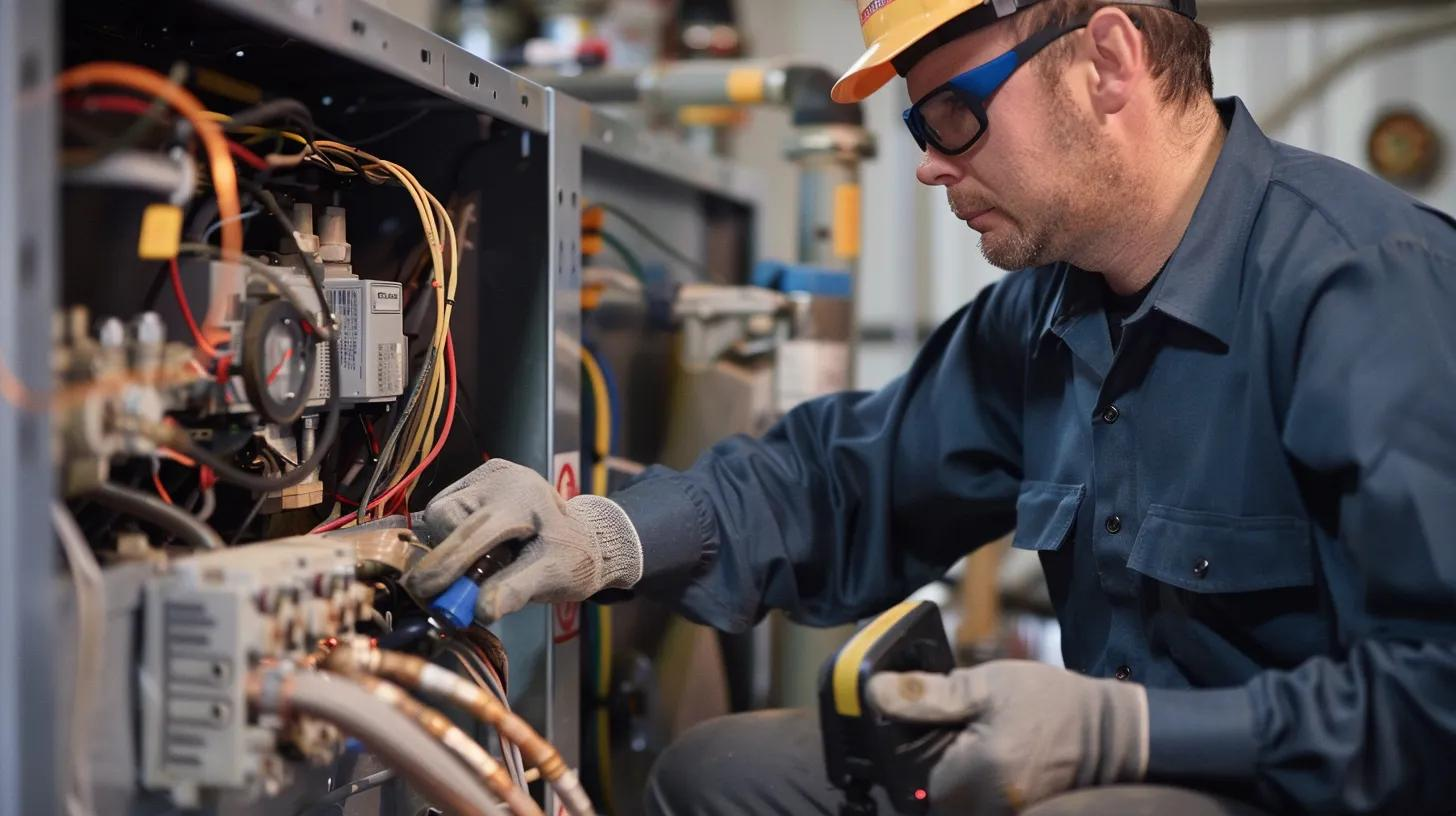

When it comes to installing a new HVAC system, asking the right questions can make all the difference in ensuring you choose the best option for your home. This guide will help you navigate the essential inquiries to make during your consultation with an HVAC technician. By understanding the key aspects of HVAC systems, you can make informed decisions that enhance your home's comfort and efficiency, ultimately leading to long-term satisfaction and savings. Many homeowners face confusion regarding system sizing, efficiency ratings, warranties, and installation processes. This article aims to clarify these topics, providing you with a comprehensive list of questions to ask your HVAC technician. We will cover critical areas such as system sizing, energy efficiency, warranties, installation processes, maintenance plans, and technician qualifications, empowering you to make a truly smart investment.
Determining the correct size for your HVAC system is crucial for optimal performance and energy efficiency. An improperly sized system can lead to increased energy costs and discomfort, as it will either struggle to meet demand or cycle on and off too frequently. The sizing process typically involves a Manual J load calculation, which assesses your home's specific heating and cooling needs based on various factors. Understanding these factors can help you ensure that your new system operates efficiently and effectively, providing consistent comfort without wasting energy.
A Manual J load calculation is a standardized method used to determine the heating and cooling requirements of a home. This calculation considers factors such as square footage, insulation levels, window types, orientation, air infiltration, and local climate. By accurately assessing these elements, HVAC technicians can recommend a system that meets your home's specific needs, ensuring precise temperature control and optimal energy use. An incorrect calculation can lead to a system that is too large or too small, resulting in inefficiencies and discomfort, making this step indispensable for a successful installation.
Further research highlights the detailed procedures involved in accurately estimating a home's heating and cooling needs through Manual J calculations.
Manual J: Residential HVAC Load Calculation
Advanced Manual J procedures provide a method for estimating heat loss for hot water piping in an unconditioned space. (There is no hot water piping load if all pipes are installed
Manual J-residential load calculation: full, 2011
Several factors influence the sizing of your HVAC system, including:
• Square Footage: The total area of your home directly impacts the size of the system needed to maintain comfortable temperatures.
• Insulation: Well-insulated homes retain heat better, potentially allowing for a smaller system, while poor insulation demands more from your HVAC unit.
• Windows: The type, number, and orientation of windows can affect heat gain and loss, influencing the overall sizing requirements, especially in sunny climates.
Understanding these factors will help you engage in informed discussions with your HVAC technician, ensuring all critical aspects of your home's thermal envelope are considered for an accurate system recommendation.
HVAC system efficiency is a critical consideration for homeowners looking to save on energy costs. Understanding the various efficiency ratings can help you choose a system that not only meets your comfort needs but also minimizes energy consumption, leading to significant long-term financial and environmental benefits. Key ratings include SEER, EER, and AFUE, which provide insights into the system's performance and its potential for reducing your utility bills.
Academic studies further elaborate on the importance of various indicators for assessing the energy performance of HVAC systems.
HVAC System Energy Performance Indicators
This paper describes various indicators for assessing the energy performance of HVAC systems
Measurement and classification of energy efficiency in HVAC systems, E Monteiro, 2016
• SEER (Seasonal Energy Efficiency Ratio): This rating measures the cooling output of an air conditioner over a typical cooling season divided by the total electric energy input during the same period. Higher SEER ratings indicate greater efficiency, translating directly into lower electricity bills during warmer months.
• EER (Energy Efficiency Ratio): Similar to SEER, EER measures efficiency but is calculated at a specific outdoor temperature (usually 95°F). It is useful for understanding performance during peak conditions, giving you an idea of how well your system will perform on the hottest days.
• AFUE (Annual Fuel Utilization Efficiency): This rating applies to heating systems and indicates the percentage of fuel converted to heat. A higher AFUE means better efficiency and lower energy costs, especially important in regions with cold winters.
Understanding these ratings can help you select an energy-efficient HVAC system that aligns with your budget and environmental goals, ensuring you get the most value for your investment.
In Kansas, homeowners may be eligible for various local rebates and federal tax credits for installing energy-efficient HVAC systems. These incentives can significantly reduce the upfront costs of purchasing a new system, making high-efficiency models more accessible. It's essential to inquire about available programs during your consultation with an HVAC technician. They can provide information on eligibility criteria and application processes, helping you maximize your savings and take advantage of these valuable financial opportunities. Note that rebate and tax credit availability can vary by utility provider and change over time, so checking current programs is recommended to ensure you don't miss out.
The installation process of a new HVAC system can vary based on the complexity of the system and your home's specific needs. Knowing what to expect can help you prepare for the installation day and ensure a smooth experience, ultimately leading to a properly functioning and efficient system for years to come.
Typically, the installation of a new HVAC system can take anywhere from 4 to 8 hours, depending on the system's complexity and whether ductwork modifications are needed. Homeowners should prepare by clearing the installation area and ensuring that technicians have access to necessary spaces, such as the attic, basement, or utility closet. Discussing the timeline with your HVAC technician can help set expectations and ensure a smooth process, minimizing disruption to your daily routine.
Before installing a new HVAC system, it's crucial to inspect and repair existing ductwork. Leaky or damaged ducts can lead to significant energy loss—sometimes up to 20-30%—and reduced system efficiency, effectively wasting the energy your new system produces. Ensuring that your ductwork is in good condition can enhance the performance of your new system and improve overall comfort in your home, maximizing your investment in energy efficiency.
Extensive research confirms the substantial energy savings achievable through the analysis and sealing of residential HVAC ductwork leakage.
Regular maintenance is essential for the longevity and performance of your HVAC system. Understanding the benefits of maintenance plans can help you make informed decisions about ongoing care for your system, preventing costly breakdowns and ensuring consistent comfort throughout the year.
Most HVAC manufacturers and industry experts recommend a maintenance schedule that includes at least two inspections and tune-ups per year—one for heating before winter and one for cooling before summer. Regular maintenance helps identify potential issues before they become significant problems, ensuring that your system operates efficiently and effectively throughout its lifespan and maintains its warranty validity.
MJB Heating & Cooling offers a Friends & Family Maintenance Plan that provides several benefits, including priority service, discounted repairs, and regular maintenance checks. This plan is designed to help homeowners maintain their HVAC systems, ensuring optimal performance and extending the life of their equipment, while also offering peace of mind through proactive care.
Choosing a qualified HVAC technician is crucial for ensuring that your system is installed and maintained correctly. Understanding how to evaluate technician qualifications and company reputation can help you make informed decisions, protecting your investment and ensuring high-quality service.
Before hiring an HVAC company, it's essential to verify their licenses and insurance. A reputable company should be able to provide proof of licensing and insurance coverage, protecting you from potential liabilities during the installation or repair process. Asking for this information upfront can help ensure that you are working with a qualified and trustworthy provider, safeguarding both your property and your financial interests.
Asking the right questions during your HVAC consultation can lead to informed decisions that enhance your home's comfort and efficiency. Understanding system sizing, efficiency ratings, and available warranties empowers you to make a smart investment that pays off in the long run. Don't hesitate to engage with your HVAC technician to clarify any uncertainties and maximize your savings. Explore our resources for more insights on optimizing your HVAC choices today.


Our A/C stopped working on a Sunday and due to health issues, we needed to find a service company available on a Sunday. I called MJB and left a message on their emergency voice mail. Within 10 minutes Tom Buck called me to hear my description of the symptoms. He was just finishing an appointment in Wichita and would be on his way to my home on the south end of Derby. He arrived within 30 minutes! From start to finish he was the perfect example of what you could ever hope for in an HVAC tech and a human being. His evaluation of our system inside and out was as thorough as I could ever imagine and once he was done with the repair, our system is running as well or better than ever. Well worth the price for the evaluation, parts, and labor. Thank you again Tom for an awesome experience.
Our AC went out during the hottest days of the year, and they were out next day! We have been jerked around by a shoddy home warranty for years. We finally had a chance to pick our own repair people, and MJB came highly recommended. I can see why! I was impressed with the honesty and speed at which they fixed our AC unit!
Our commercial building had a lightening/electrical strike and damaged our 20 ton AC unit. No one could find us a new unit before the end of September. Imagining going all of August and September with no AC in Kansas and working inside near 100 degree temps is less than thrilling. Dale and the team at MJB called around and saved the day. They had us a new unit 5 weeks earlier than other could promise and I now have happy employees. The unit is amazingly quiet, super cold and so much more energy efficient. Thank you for being our super hero!
Came out and installed my new furnace. Was very polite and affordable. They are very acknowledgeable and I highly recommend!
Thank you very much. We had our 1st warm night in 3weeks. MJB took the time and effort to find the real problem. And the employees were kind and thoughtful and explained things very well. I cannot thank you and all of MJB. Will recommend you highly. Thanks again Marjorie Herman Oxford Kansas
We had a new system installed and I was so impressed with how quick they were in come out and install it, in the middle of a hot summer day. They were so friendly & very professional. I had a small problem with a weird sound and they came over immediately and fixed it. Love them!