


.avif)





Blogs
Stay updated with our latest blog posts.
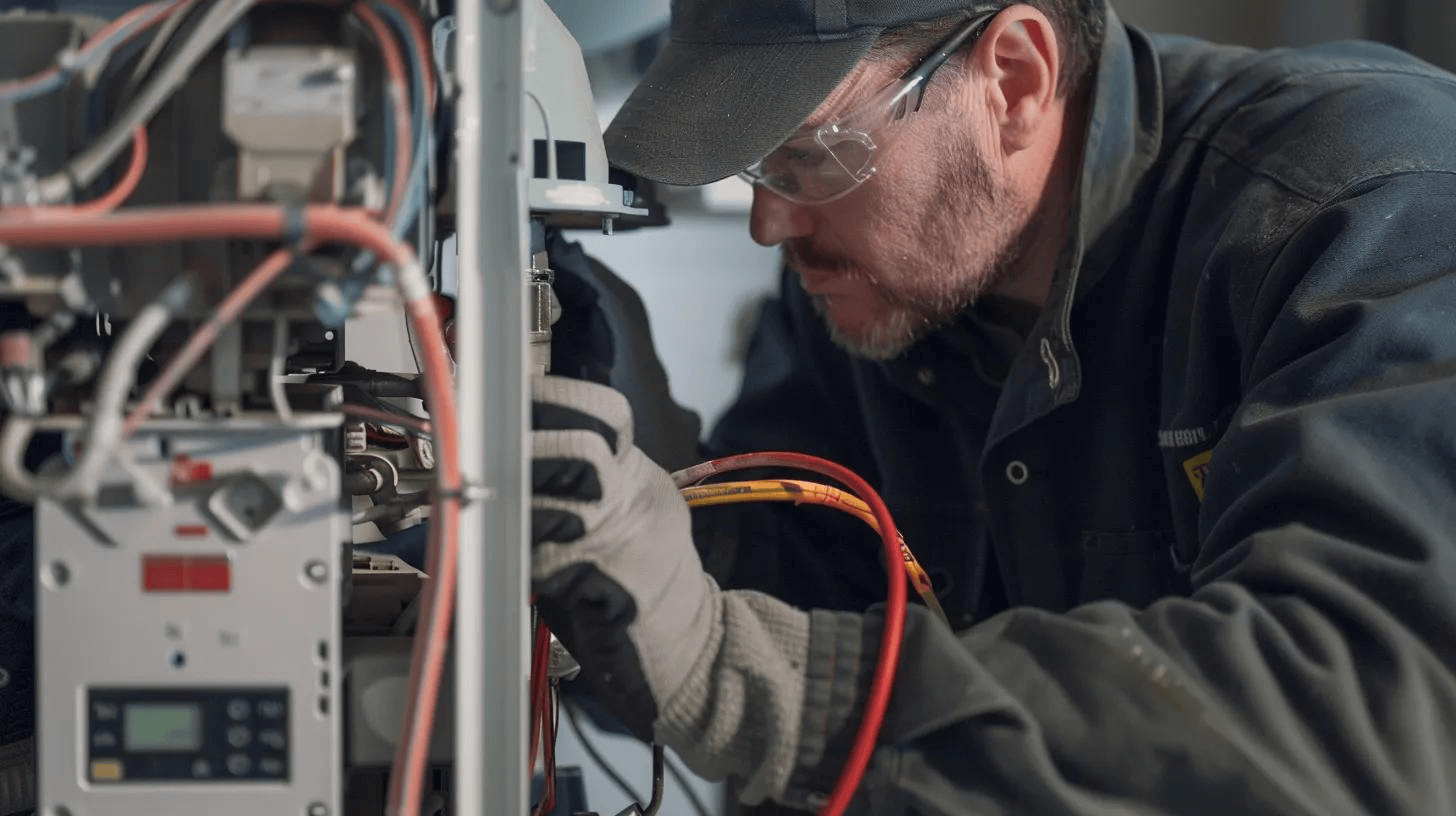

A single furnace repair mistake can turn a quick fix into a costly safety issue, lost comfort, or shortened equipment life. This guide walks homeowners and property managers through the most common errors, why they happen, and the practical steps that prevent them — plus clear signs that you should call a pro. You’ll see how neglect, dirty parts, thermostat misuse, and risky DIY work can damage key components like the heat exchanger, blower motor, and control systems. We map warning signs to likely causes, outline safe troubleshooting you can do at home, and explain how preventative HVAC care cuts repairs and extends service life. Finally, we show how routine maintenance and local, emergency-ready technicians in the Derby and Wichita area help stop these problems before they start and what to do when a problem appears.
Most furnace repair mistakes come down to simple oversights: missed maintenance, dirty filters, blocked vents, and unsafe DIY attempts. Dirt and mechanical wear reduce airflow, overwork the blower, and let combustion parts run outside safe limits — problems that, left unchecked, lead to failures like heat exchanger cracks or control faults. Fixing these root causes preserves efficiency and lowers the chance of larger repairs. Below are the top mistakes to spot quickly, followed by a short table tying each error to its usual consequence and priority for action.
Common homeowner mistakes to avoid include:
• Skipping annual maintenance: Skipping tune-ups lets dirt and wear build up and raises the risk of premature part failure.
• Letting filters become clogged: Dirty filters choke airflow and can cause overheating and short cycling.
• Attempting gas- or electrical-related repairs: DIY work on combustion or control systems creates safety and liability risks.
• Blocking vents or closing too many registers: Restricted airflow raises pressure and stresses the blower motor and heat exchanger.
• Misusing the thermostat: Rapid temperature swings or poor scheduling make the system cycle inefficiently.
These mistakes often compound one another — a clogged filter increases blower strain, which speeds wear that a tune-up would have caught — so fixing one issue often prevents others.
The table below links typical mistakes to the consequences homeowners usually see so you can decide what to fix first.
• Air filter — Mistake Type: Ignored replacement — Typical Consequence: Reduced airflow and overheating
• Maintenance schedule — Mistake Type: Skipped annual tune-up — Typical Consequence: Missed wear signs and increased breakdown risk
• Vents/registers — Mistake Type: Blocked or closed — Typical Consequence: Uneven heating and blower strain
• Thermostat — Mistake Type: Rapid setpoint changes — Typical Consequence: Short cycling and higher energy use
• DIY repairs — Mistake Type: Unsafe attempts on gas/electrics — Typical Consequence: Safety hazards and voided warranties
That quick comparison shows many errors lead to the same outcomes — lower efficiency and higher safety risk — so steady preventive care is usually the smartest next step.
Prevention is the best strategy: regular maintenance and proactive inspections stop most of these problems before they start. For homeowners who want a structured approach, a maintenance plan with scheduled tune-ups and priority service catches issues early; you can contact MJB Heating & Cooling to book an appointment or learn about plans suited to Kansas weather. Routine upkeep not only cuts repair frequency but also makes troubleshooting faster and safer when issues do arise.
Skipping regular maintenance lets dust, debris, and minor wear grow into mechanical and safety failures because small issues compound over time. Dirt on the heat exchanger and burners reduces combustion efficiency and can hide early signs of cracking or corrosion. Worn belts, bearings, and electrical contacts increase stress on the blower and control circuits. As parts work harder to meet demand, energy use rises and the chance of sudden breakdown grows — often during peak cold spells. Routine maintenance prevents these chains of failure by cleaning critical parts, checking combustion and safety systems, and replacing worn components before they cause damage. That’s why annual tune-ups are a preventive investment, and why scheduling service before heating season lowers both risk and cost.
DIY furnace repair can be tempting for small issues, but many jobs involve gas, combustion, or electrical systems where mistakes create serious safety hazards or expensive secondary damage. Improper handling of gas valves, heat exchangers, or control boards can cause gas leaks, carbon monoxide release, or electrical shorts — all hazards for occupants and liabilities for the homeowner. Professional technicians use diagnostic tools — combustion analyzers, manometers, and electrical meters — to confirm safe operation and find problems you can’t see. Any repair that touches combustion, sealed components, or the heat exchanger should be left to a certified pro to ensure safety-first methods and to protect warranties. If you smell gas or suspect a combustion issue, stop troubleshooting and call a professional immediately.
Pros also save money over time: correct repairs stop damage from spreading to other systems and reduce long-term costs. For urgent safety risks or gas concerns, 24/7 emergency HVAC service is the right choice — local, emergency-ready providers can respond fast to manage hazards and restore safe heating.
Certain repairs should never be attempted by a homeowner because they involve combustion, sealed systems, or complex electrical controls that require certification and special tools. Examples include gas-valve adjustments, heat exchanger inspection and repair, burner or combustion chamber work, and control board replacements — all carry risks of gas leaks, carbon monoxide, or electrical fire. Even seemingly mechanical tasks — internal blower motor work, replacing sealed pressure switches, or adjusting pilot and ignition systems — have hidden dangers when done without training. Stick to non-invasive homeowner tasks: filter changes, thermostat batteries, and power-cycle checks. For anything that opens combustion compartments, gas lines, or main electrical connections, stop and call a technician. Prioritizing safety prevents the worst outcomes and keeps repairs code- and warranty-compliant.
Professional HVAC services prevent costly damage by using thorough diagnostics, timely replacements, and precise repairs that stop small issues from becoming systemic. Technicians run combustion analysis to confirm efficient burner operation, airflow tests to find duct and blower problems, and electrical checks to spot failing relays or capacitors before they burn out a motor. Proper component replacement and exact calibration restore system balance so the heat exchanger, blower, and controls run within safe limits, lowering the risk of repeat faults. Rapid response — including emergency availability — shortens the time a system operates in an unsafe state, reducing collateral damage and getting your heat back reliably. Those professional steps protect equipment life and give homeowners documented safety checks they can trust during cold snaps.
Catching early warning signs helps you act before a small issue becomes an emergency. Symptoms such as odd noises, unusual odors, and drops in efficiency usually point to specific component problems. A simple checklist shows which signs need immediate shutdown and service versus which can wait for a scheduled inspection. Watching energy use and temperature differences between rooms also highlights airflow and duct problems early so you can target fixes that prevent extra wear. Below are common warning signs paired with likely causes so you can prioritize action quickly.
Common warning signs include:
• Rattling, banging, or squealing noises: Often caused by loose parts, worn bearings or belts, or blower issues.
• Burning or persistent gas-like odors: Brief dust burning at startup is normal, but persistent chemical or gas smells require immediate shutdown and professional inspection.
• Frequent short cycling: Rapid on/off cycles usually point to airflow restriction, thermostat setpoint issues, or control faults.
• Uneven heating or cold spots: Duct leaks, blocked vents, or poor blower performance commonly cause inconsistent distribution.
• Rising energy bills with reduced heat output: Efficiency loss often means a clogged filter, failing motor, or combustion inefficiency.
This checklist helps you decide whether to run basic checks — filter, thermostat, breaker — or to call a technician, and it prepares you to describe specific noises and smells when you contact a pro.
Noises, odors, and efficiency drops are early clues because each symptom links to a mechanical or combustion issue. Grinding or squealing typically points to blower motor bearings or belt wear, rattling can mean loose panels or failing burners, and a loud bang at startup may signal delayed ignition or combustion pressure problems that affect safety. A strong, persistent smell of natural gas or sulfur is an immediate danger — evacuate and call emergency service. A brief dust-burning odor on first startup is normal if it fades. Efficiency losses — higher bills, less heat, or long run times — are commonly caused by restricted airflow from filters or ducts, or by degraded combustion. Noting these specifics helps your technician diagnose and fix the issue faster and safer.
Poor thermostat habits and blocked vents lower furnace performance by creating inefficient cycles and uneven airflow that raise mechanical stress and run time. Large temperature swings or disabling setback schedules force the furnace into long runs or short cycling, both of which shorten component life and raise bills. Closed or blocked registers shrink effective duct area, increase static pressure, and make the blower work harder while some rooms stay cold — which can also cause condensation or cold spots in ducts. Together, bad control strategy and airflow restriction create a cycle of strain and wear that maintenance and simple homeowner fixes can break. Below are practical thermostat tips to improve efficiency and reduce wear.
Recommended thermostat practices:
• Use modest setpoint changes: Small, gradual adjustments prevent short cycling and reduce stress.
• Set consistent setback schedules: Programmable or smart schedules keep comfort while cutting energy use when you’re away.
• Avoid disabling system protections: Keep fan and cycle settings as your manufacturer or technician recommends.
• Consider adaptive setbacks for extreme weather: Slight pre-heating before occupancy reduces peak demand and strain.
These habits lower the number of cycles and extreme runtimes, which reduces wear and improves steady operation; the next section looks at vent and duct behavior that also affects performance.
The best settings balance comfort and equipment life by avoiding wide swings and frequent short cycles. For most homes, modest setbacks of 3–5°F during sleep or away periods cut energy use without triggering long recovery runs that strain the system. Gradual ramping beats abrupt jumps, and smart or programmable thermostats that learn schedules or use geofencing generally keep comfort more efficiently than manual changes. Don’t set the thermostat to extreme temperatures to “heat faster” — that only increases runtime and wear without speeding recovery. These settings help keep airflow steady and pair well with regular maintenance for reliable efficiency.
Clear vents and intact ductwork maintain designed airflow and prevent excess static pressure that wears the blower motor and reduces heat transfer. Blocked grills, too many closed registers, or crushed flexible ducts cut airflow and can create hotspots in the heat exchanger, causing safety-limit trips or short cycling. Homeowners can do quick checks — feel airflow at registers, look for kinks or gaps in exposed ducts, and make sure vents aren’t blocked by furniture — to catch common issues early. If airflow problems persist despite clear registers, a professional duct inspection can find leaks, insulation gaps, or undersized runs that need repair. Good duct and vent care supports even heating, lowers costs, and reduces the repair risks discussed earlier.
MJB Heating & Cooling’s maintenance plan is built to prevent the mistakes covered here. We combine scheduled tune-ups, priority service, and local knowledge tuned to Derby and Wichita climate conditions. The plan focuses on high-impact tasks — filter checks, combustion and safety testing, blower and duct inspections — that address the common failure modes Kansas homeowners face, and it includes priority scheduling to cut wait times during peak demand. If you want fewer emergency repairs and more reliable, efficient heating, contacting MJB Heating & Cooling is the simplest way to enroll in preventative care and secure timely inspections and repairs. Our local, emergency-ready approach aligns maintenance with real seasonal pressures and helps avoid problems caused by deferred service.
Address unusual furnace noises — rattling, banging, or squealing — right away. These sounds can mean loose parts, worn belts, or blower problems. First, check for obvious obstructions or loose panels. If the noise continues, call a professional technician to diagnose and repair the issue before it causes more damage or a safety hazard.
Watch your energy bills and heat output. A sudden spike in costs or a noticeable drop in warmth can signal inefficiency. Check for consistent temperatures around the house — cold spots often point to airflow problems. Regular maintenance, including filter changes and inspections, helps keep your furnace operating efficiently and extends its life.
Immediate repair is needed for persistent gas odors, unusual noises, frequent short cycling, or visible soot or corrosion near the unit. If you smell gas, evacuate the home and call emergency HVAC service right away. Quick action can prevent safety hazards and costly damage.
We recommend a professional inspection at least once a year, preferably before heating season. Pre-season checks let technicians correct wear and safety issues before heavy use. If you notice strange noises or efficiency drops, schedule an inspection sooner to avoid breakdowns during peak demand.
Avoiding common furnace repair mistakes is key to keeping your home safe, comfortable, and efficient. Prioritize regular maintenance, schedule timely inspections, and call a professional when needed — these steps extend equipment life and reduce costly repairs. Don’t wait for a breakdown; take proactive steps now to keep your furnace running smoothly. Contact MJB Heating & Cooling to learn more about maintenance plans tailored to your home and region.


Our A/C stopped working on a Sunday and due to health issues, we needed to find a service company available on a Sunday. I called MJB and left a message on their emergency voice mail. Within 10 minutes Tom Buck called me to hear my description of the symptoms. He was just finishing an appointment in Wichita and would be on his way to my home on the south end of Derby. He arrived within 30 minutes! From start to finish he was the perfect example of what you could ever hope for in an HVAC tech and a human being. His evaluation of our system inside and out was as thorough as I could ever imagine and once he was done with the repair, our system is running as well or better than ever. Well worth the price for the evaluation, parts, and labor. Thank you again Tom for an awesome experience.
Our AC went out during the hottest days of the year, and they were out next day! We have been jerked around by a shoddy home warranty for years. We finally had a chance to pick our own repair people, and MJB came highly recommended. I can see why! I was impressed with the honesty and speed at which they fixed our AC unit!
Our commercial building had a lightening/electrical strike and damaged our 20 ton AC unit. No one could find us a new unit before the end of September. Imagining going all of August and September with no AC in Kansas and working inside near 100 degree temps is less than thrilling. Dale and the team at MJB called around and saved the day. They had us a new unit 5 weeks earlier than other could promise and I now have happy employees. The unit is amazingly quiet, super cold and so much more energy efficient. Thank you for being our super hero!
Came out and installed my new furnace. Was very polite and affordable. They are very acknowledgeable and I highly recommend!
Thank you very much. We had our 1st warm night in 3weeks. MJB took the time and effort to find the real problem. And the employees were kind and thoughtful and explained things very well. I cannot thank you and all of MJB. Will recommend you highly. Thanks again Marjorie Herman Oxford Kansas
We had a new system installed and I was so impressed with how quick they were in come out and install it, in the middle of a hot summer day. They were so friendly & very professional. I had a small problem with a weird sound and they came over immediately and fixed it. Love them!


